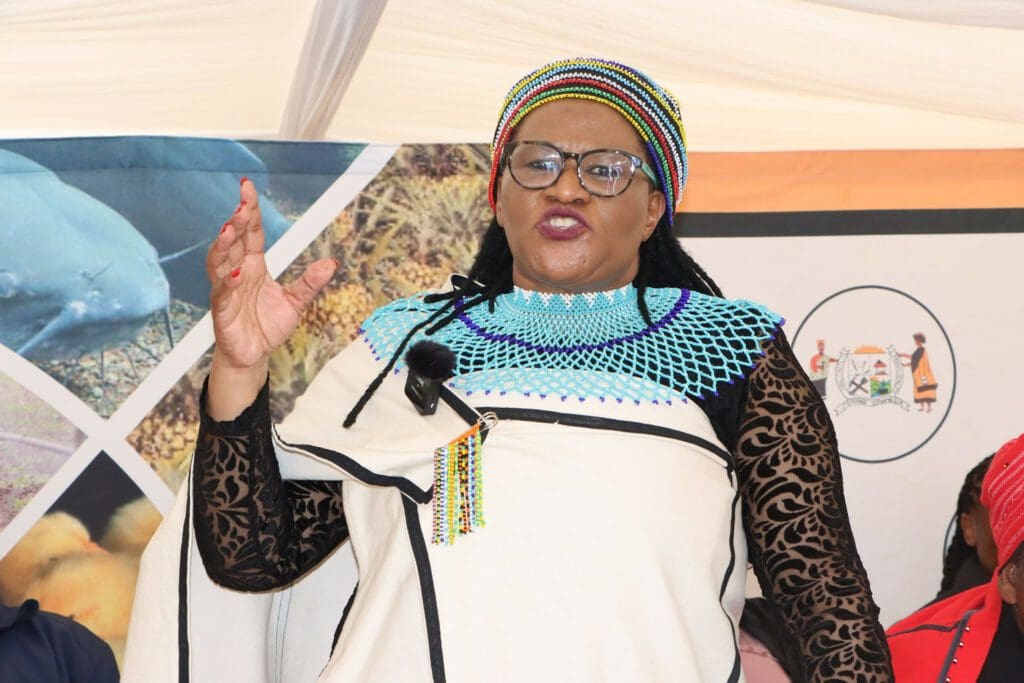
The Eastern Cape provincial government is on a mission to invest in wool production in pursuit of inclusive economic growth. This is the view of Nonkqubela Pieters, the MEC for rural development and agrarian reform in the province.
Our department continues with investment in the businesses of communal wool growers in our province by injecting millions of Rands in the construction of infrastructure such as fenced shearing sheds with dipping tanks, and the distribution of livestock with superior genetics.
This investment helps these farmers, who include rural women, men, youth and people with disabilities, to produce quality wool and meat through government support such as health interventions, training and livestock improvement.
We do this in pursuit of the commitments we made to the electorate when campaigning ahead of the last general elections where we committed to “carry out a sustainable land reform programme that expands participation in, and ownership of, agricultural production, advances food security and helps reverse the apartheid spatial separation of our cities and towns.”
That is why it warms my heart when we deliver essential agriculture infrastructure services, make the much-needed investments that help farmers improve production, increase earnings from their businesses, be able to meet their needs such as educating their children, and putting food on the table in their homes.
Eradicating boya-boya vehicles
I commend the work done by our officials, our private sector partners and farmers for the successful campaign that ended the abuse our farmers suffered from the so-called boya-boya vehicles who are buying the wool at paltry and degrading prices.
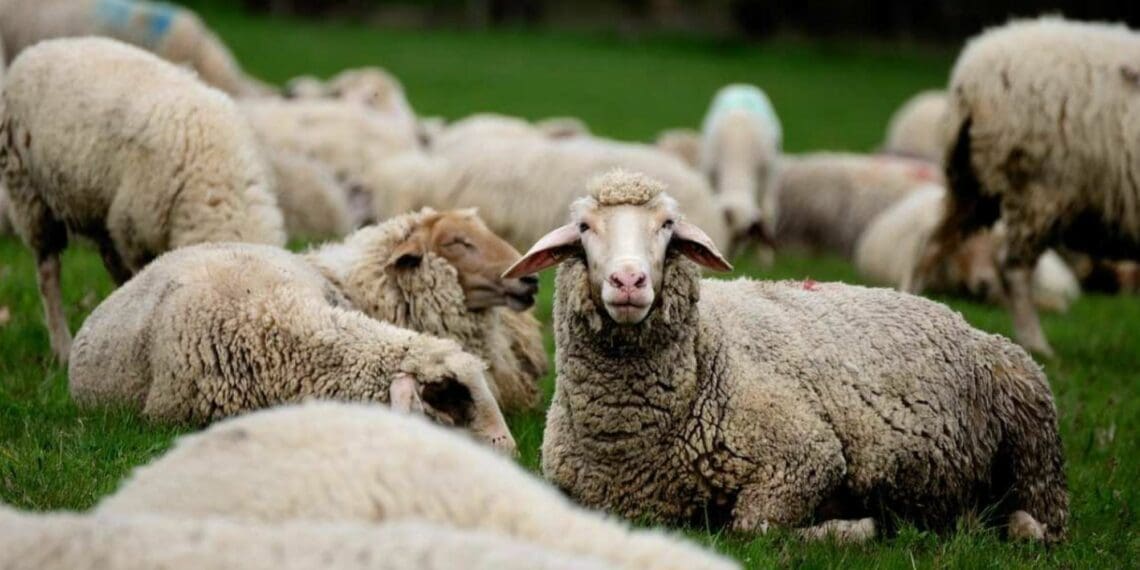
Working with the Eastern Cape Communal Wool Growers’ Association (ECCWGA), the province is shearing almost 650 000 sheep in five district municipalities.
We have signed a three-year memorandum of understanding with the ECCWGA for the development of communal farmers in a way that grows their businesses to be sustainable and profitable enterprises.
To ensure that farmers are united and avoid being abused by unscrupulous buyers, we assisted in the setting up of about 401 wool growers’ associations or shearing sheds that produce 8 666 bales that weight 150kg on average.
Recently, I handed over ten shearing sheds worth R10.9 million to wool growers’ associations in Tsolo and Qumbu villages as part of this ongoing programme of our department drawn from the manifesto commitments of the ANC. Farmers, who were thrilled by these new facilities, committed to work together to continue their businesses, and grow their trade so that they improve their businesses by selling pure quality wool.
This government is constructing shearing sheds and facilities that previously were only seen in commercial farms owned by white farmers, in rural communities.
As part of rolling out programmes to ensuring inclusive economic growth through agriculture, we make sure that farmers get all the same equipment that commercial farmers have so that they file better profits from their wool production.
‘Our wool, our wealth’
Our wool growers’ development programme is coupled with the provision of quality rams and ewes to farmers with the aim of improving the genetic condition of their flock so that they have good wool and meat that give them good income for their businesses.
The majority of wool growers in our province did not wait for government for them to start their businesses because they started by buying sheep and goats that they shared using their own residential properties like huts and flats.
By the time government joins with financial support, farmers were already working and selling their wool. Our investment gives them the much-needed injection.
In their old structures, farmers had to endure unbearable conditions that saw their wool contaminated with dirt, affected by water in the zinc and rondavel structures they used and loss of quality because of lack of equipment.
Because of the quality shearing sheds we are handing over to farmers, they are able to shear their wool, sort and press it properly before it is delivered to buyers.
The length of wool plays a big role in wool prices because wool is paid per length, fineness, clean yield and weight hence we are also training shearers so that the price is not affected.
We are investing in farmers to improve their herd, improve quality of their wool clip to be the same quality needed by the markets hence lot of communal wool is now sold through BKB and CWC.
Talking about the markets, there was recently an outcry when China banned our wool because of the suspected foot-and-mouth disease and the outcry was justified as China is the biggest wool market.
The situation triggered the need to ensure the whole value chain of our wool is enjoyed in the country by opening firms that will process the wool to the final products and this will create more jobs.
This development, which is long overdue will need all stakeholders from farmers to the private sector, government, its entities and other role players in the sector to make it a reality.
As the MEC of this department, I am impressed by the determination of communities, involvement of youth and women in wool production and their slogan of uboya bethu, indyebo yethu (“our wool, our wealth”).
- Nonkqubela Pieters is the MEC for rural development and agrarian reform in the Eastern Cape. The views and opinions expressed in this article are those of the author and do not necessarily reflect the views or positions of Food For Mzansi.
ALSO READ: Eastern Cape feedlots helping rural farmers level up
Sign up for Mzansi Today: Your daily take on the news and happenings from the agriculture value chain.