Through aRe Bapaleng, the Seriti Institute is transforming early childhood development across South Africa. The programme strengthens families through play-based learning, responsive caregiving, and food security initiatives – proving that ending stunting and building resilient communities begins not in systems, but in homes led by informed, confident caregivers.
During the State of the Nation Address (Sona) 2026, President Cyril Ramaphosa reaffirmed the importance of “the crucial first 1 000 days” and committed South Africa to ending child stunting by 2030 through strengthened nutrition interventions. In doing so, he placed early childhood development where it belongs, at the centre of our nation’s future.
The first 1 000 days of a child’s life are not only a health window. They are a developmental foundation. They shape brain architecture, emotional security, learning potential, and ultimately economic participation. If we are serious about reducing inequality and building inclusive growth, then we must begin where development truly starts – with parents and caregivers.
This is what aRe Bapaleng is all about.
aRe Bapaleng is a Sesotho phrase meaning “Let’s Play.” But it represents far more than play. It is Seriti Institute’s flagship early childhood development programme, designed to close critical gaps in support for children aged 0 to 8 in underserved communities. At its core, it recognises a simple but powerful truth: the primary influencers in a child’s life are not systems – they are parents and caregivers.
Empowering parents and caregivers
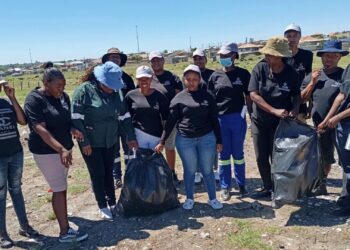
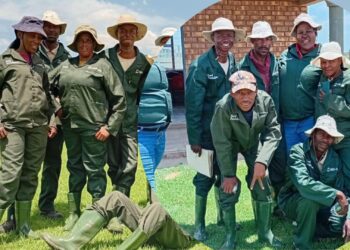
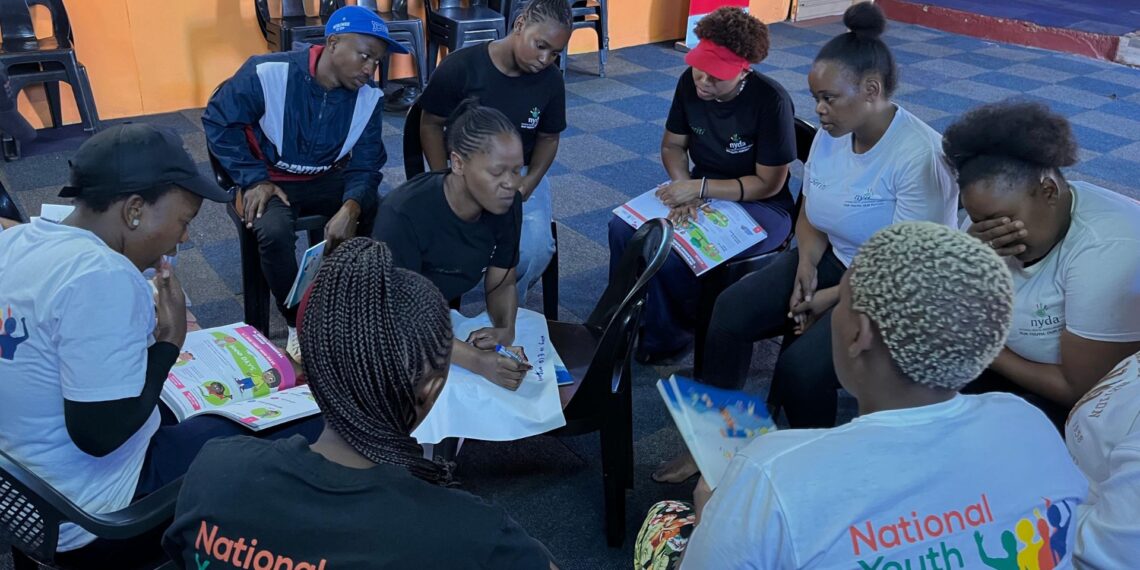
Since 2020, aRe Bapaleng has empowered over 135 000 parents and caregivers and activated more than 4 000 unemployed youth as ECD Champions across South Africa’s nine provinces. Grounded in the Nurturing Care Framework, the programme fosters responsive caregiving, play-based learning, and community resilience — resulting in healthier families, confident parents, and thriving children.
In 2025, aRe Bapaleng achieved QCTO accreditation, strengthening formal pathways into early childhood development careers. The programme has expanded to include climate resilience, entrepreneurship, and life skills – recognising that child wellbeing is inseparable from household stability and community sustainability. Parent Clubs and personalised home visits have a deepened impact, reinforcing learning beyond workshops and ensuring that support is continuous rather than once-off.
Too often, conversations about stunting focus only on supplementation or clinical interventions. While these are essential, they are incomplete without empowered caregivers who understand that nutrition, stimulation, play, emotional regulation, and safety shape children’s development. Responsive caregiving cannot be legislated into existence; it must be supported, nurtured, and reinforced within communities.
Related stories
- Seriti Institute connects partners for lasting community change
- Seriti leads grassroots movement for clean air in Jozi
- Proposed Transformation Fund needs clarity to drive real change
- Seriti Institute drives renewal in Komati through agriculture
Through Active Learning Workshops, home visits by trained Caregiver Networkers, community awareness campaigns, and strengthened partnerships with ECD centres, aRe Bapaleng works to build a holistic support ecosystem around families. It equips caregivers with practical tools, confidence, and knowledge – helping them turn everyday moments into opportunities for growth.
For example, a father in Modimolle tells us, as a result of his participation in the aRe Bapaleng Programme, how he and his son introduced Wellness Wednesdays where they exercise together. Another parent in Orange Farm recalls how, before aRe Bapaleng, they were “clueless about nutrition”.
Building resilient, healthy communities
In partnership with another Seriti Programme, Work.Learn.Grow, aRe Bapaleng also works with parents, caregivers and others in the community, e.g. ECDs to start food gardens. This has resulted in families introducing healthier foods in an affordable way.
Ending child stunting by 2030 will not be achieved through isolated interventions. It will require coordinated, community-level systems that integrate health, nutrition, early learning, and caregiver empowerment. It will further require partnerships between government, civil society, and communities that move beyond compliance and toward collective responsibility.
Parents and caregivers are central to this, and we need to work closely with them as is underlined in the first-ever book on “Parental and Caregiver Involvement in South African Education”, featuring aRe aRe Bapaleng´s ecosystem approach, to be launched next week. The national commitment to prioritise the first 1 000 days is both timely and necessary. But it must translate into scalable, community-based systems that strengthen families before vulnerability becomes a crisis.
The first 1 000 days begin at home, with parents and caregivers as the first responders – building resilience, protecting potential, and shaping the future long before systems intervene.
If we invest in them, we do more than prevent stunting. We build a stronger, more equal South Africa, future-fit kids, one family, one community at a time.
READ NEXT: Agricultural insurance: Common mistakes and how to avoid them