Limitations like space and lack of land pose a challenge for startup farmers, however, with the help of agritech developments, vertical farming has become the real solution.
A recent edition of Food For Mzansi’s Twitter space Gather To Grow explored vertical farming and its many benefits.
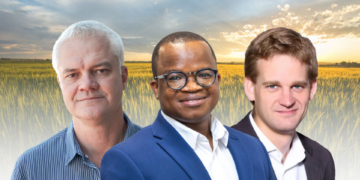
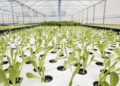
In the episode, agricultural researcher Dr Naude Malan explained that vertical farming usually refers to hydroponics or aquaponic systems. These are more sophisticated examples, however, stacking soil in bags and lining it up vertically can always be a way of farming vertically.
“Conventional farming [refers to] highly mechanised farming and intense use of chemicals or the intense use of implements. [And] also hybrid seeds and genetically modified seeds,” explained Malan.
Solving conventional problems
If there is anyone who knows their stuff about hydroponics, it is Johannesburg rooftop farmer Zandile Khumalo.
Khumalo shared her journey with attendees, adding that it solved several issues that conventional farmers face. Issues such as climate change, producing better yields, and using water more efficiently.
With hydroponic farming, space is no issue. A hydroponic farm can be erected in small spaces or on a large yield. Furthermore, resources like water are easily managed, in fact, better than when used for conventional farming, Khumalo said.
“We can do it undercover without using the soil and we can reduce the risk that we’re having in terms of the soil itself.”
Kumalo also shared why sometimes it is best to combine both approaches.
Best of both worlds
“A farmer can know how to farm conventionally and how to farm hydroponically at the same, and that will enable you to use your land efficiently,” she added.
The session also explored the implements required and the costs associated with setting up a hydroponics system. Panellists also delved deeper into the benefits of vertical over conventional farming.
READ NEXT: Water regulations garner mixed agri response
Sign up for Farmer’s Inside Track: Join our exclusive platform for new entrants into farming and agri-business, with newsletters and podcasts.