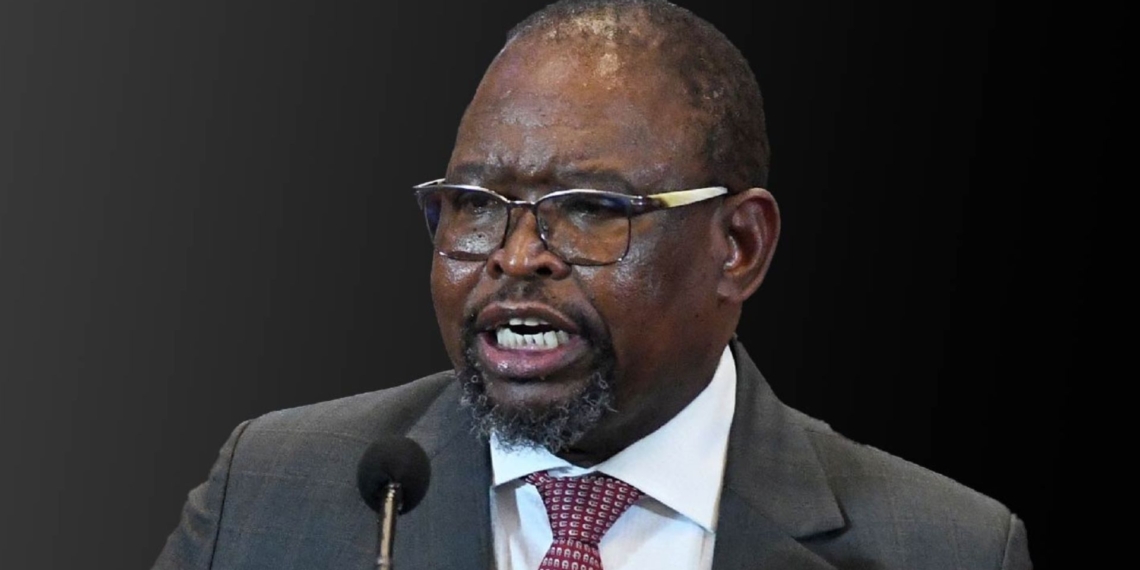
With the 2026 National Budget set to be delivered this Wednesday, agricultural industries are urging finance minister Enoch Godongwana to choose growth over aggressive taxation and lack of services.
Stakeholders warn that another year of above-inflation hikes and crumbling rural infrastructure will push many producers over the edge.
As the treasury continues its balancing act, Godongwana is widely expected to maintain a restrictive stance on government spending. However, industry leaders argue that the current fiscal strategy is squeezing the life out of sectors vital for the country’s employment.
Godongwana will have put meat on the promises President Cyril Ramaphosa outlined, such as the hiring of 10 000 extension officers and investment in water infrastructure of R156 billion to deal with the water crisis.
Excise tax strains alcohol industry
The beer value chain, which supports over 210 000 jobs, has raised the red flag over potential “sin tax” increases. Beer Association of South Africa (BASA) CEO Charlene Louw said the constant threat of above-inflation excise duties is stifling the industry’s ability to plan for the future.
“Above-inflation increases place further pressure on already thin margins, stall investment, and undermine long-term planning across the beer value chain,” she said.
Louw said that while the industry is happy to meet its tax obligations, the current trajectory is unsustainable.
She noted that last year’s 6.75% hike, double the inflation target, has already boosted the illicit market. “The growing market for illicit cigarettes and alcohol poses a serious risk to public health and undermines legitimate businesses.”
Related stories
- 2026 Outlook: Crops and exports shine as livestock battles FMD
- All eyes on SA government’s 2026 agenda to transform agriculture
- Budget 3.0: VAT hike halted, but fuel levy rises
Phakiso Kenneth Modise, who farms in the Free State and Northern Cape, said the state needs to shift its focus toward backing producers to revive the economy.
“We need more financial support for black farmers, state guarantees and investing more in agriculture to make sure it has big spin-offs to jump start the economy and create more job opportunities,” he said.
Prioritise funding gaps, market access, infrastructure
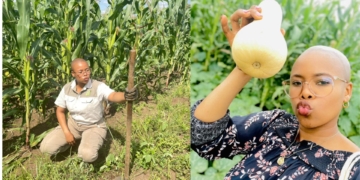
For farmers, the budget isn’t just about taxes; it’s about the tools they need to stay productive. Phumeza Dolo, an agro-processor and herbal farmer from the Eastern Cape, said that the government must address the funding gap that holds emerging producers back.

“Many young producers have the passion and potential, but limited access to affordable finance, equipment, and working capital slows down growth,” she said.
Dolo said that the lack of basic services is a tax on the farmer’s bottom line.
“Reliable water systems, improved rural roads, and stable electricity supply directly affect productivity and market access. When infrastructure fails, farmers carry the losses,” she said.
She further noted that the minister should prioritise climate-smart farming and drought relief to protect food security. “Market access and fair trade opportunities for small producers should be strengthened so that farmers can compete sustainably and grow their businesses.”
READ NEXT: Beyond sugar: How SA’s farmers are crushing it with diversification