Following the unprecedented increase in load shedding, Bernard Mofokeng, the director and head of tax at CMS South Africa, comes to this conclusion:
- Eskom and businesses in certain industries claim diesel rebates, because they do not utilise the road infrastructure.
- Blackouts have caused businesses in the tourism, hospitality and property sectors to use diesel generators to run their businesses.
- Should the minister expand the diesel rebate system to other industries, SARS would be able to manage the resultant increased diesel rebate claims.
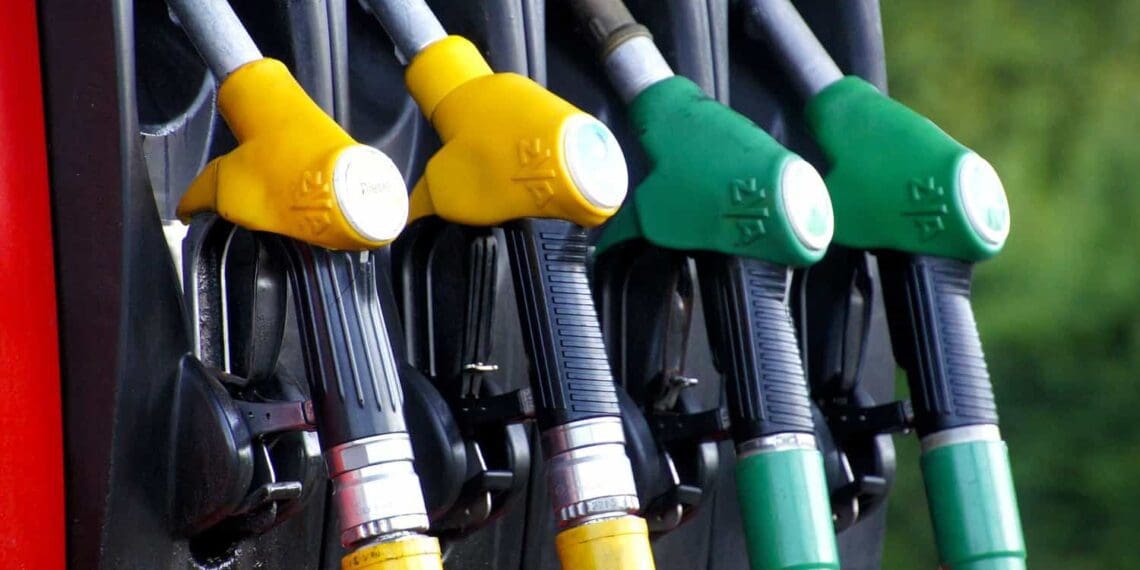
Eskom has the privilege to claim rebates for every litre of diesel they buy and use to manage the energy crisis in the country through the VAT system from the South Africa Reserve Service (SARS). In terms of the Customs and Excise Act, Eskom currently claims back from SARS the fuel and Road Accident Fund (RAF) levies imposed on every litre of diesel it purchases.
This means that Eskom can claim at least R3,65 on every litre of diesel it uses for its gas turbines. This alleviates the company’s cash flow to an extent, as is evident in the figures: Eskom claimed diesel rebates of R799 million in 2020 and R1.6 billion in 2021. This is some of the money that it used to keep its business operating.
The reasoning by National Treasury for allowing Eskom and businesses in certain industries such as mining, farming, forestry, shipping, and rail to claim diesel rebates, is mainly the fact that these industries do not utilise the road infrastructure, hence they should not be required to subsidise industries that do.
Further, they should not be subsidising the Road Accident Fund that compensates victims of road accidents. However, this reasoning is equally applicable to many other industries that are now forced to utilise diesel to keep their doors, or their businesses open for businesses during the constant blackouts.
Increased diesel costs during load shedding
In the past few months, South Africans have experienced an unprecedented increase in load shedding. This is because of Eskom’s inability to keep its electricity generation capacity to acceptable levels.
Experts say Eskom cannot properly maintain its aging coal power stations and it is unable to bring “new” power stations such as Kusile and Medupi properly online or keep them operating optimally.
Many businesses cannot operate during blackouts and are thus forced to shut their doors. And other businesses keep operating by utilising alternative power sources such as solar or diesel-powered generators, which means increased costs for these businesses – costs that are difficult to manage because of the constantly increasing price of diesel.
With the increase in the global crude oil prices since the war in Ukraine, diesel prices have been on a sharp rise in the last few months to over R25 a litre.
The blackouts have led to businesses in the tourism, hospitality and property sectors having to use diesel generators regularly to run their businesses. Shopping malls are using generators for power, as is the case for restaurants and shops that are at risk of loss of stock that must be kept frozen.
It was recently reported that Growthpoint Properties, one of SA’s largest property groups, has had to spend a great deal more money to keep its diesel generators at its numerous properties operating during blackouts. This affects many in the property sector, and it is eroding their cash flow and profits.
Other sectors need help too
Similar to Eskom, these businesses do not utilise the road infrastructure and so should not be subsidising the RAF and other businesses that do. As a result, we call on the minister of finance to extend the diesel rebates to such businesses, considering that Eskom’s inability to keep the lights on is the root cause of their need to use diesel to run their businesses.
This should be fairly easy to implement as these businesses are already registered VAT vendors and the rebates system utilises the VAT system.
We have no doubt that should the minister expand the diesel rebate system to other industries and sectors, SARS would be able to manage the resultant increased diesel rebate claims.
While the fuel rebates assist Eskom with its cash flow, this is equally true of other businesses, whose cash flow has been negatively affected by the lack of consistent power provision.
Many South African businesses are forced to spend money they don’t necessarily have on diesel generators. It is therefore fair to say that other companies should enjoy the same privilege to earn rebates for spending on diesel and suffering through the blackouts.
The R3,65 rebate per litre that these businesses will be able to claim back will definitely improve their cash flow, thereby increasing their chance of survival. This is another mechanism that the government can utilise to save much needed jobs.
Loss of revenue to the fiscus due to the expanded diesel rebate regime would be minimal in comparison to the impact of the closure of many businesses unable to survive because of the negative impact of new and uncontrolled costs.
In any case, the government should not benefit from its inability to effectively manage Eskom, but must help South African survive it.
ALSO READ: Land reform: Why post-settlement support is key
Sign up for Mzansi Today: Your daily take on the news and happenings from the agriculture value chain.