A once-informal family project has become one of the Sarah Baartman district’s most promising agribusiness success stories. Established in 2015 in Hankey, Ukuvuka Ekuseni Agricultural Primary Cooperative, founded by Tommy Thys, farms vegetables on 10.72 hectares in a region dominated by citrus farming.
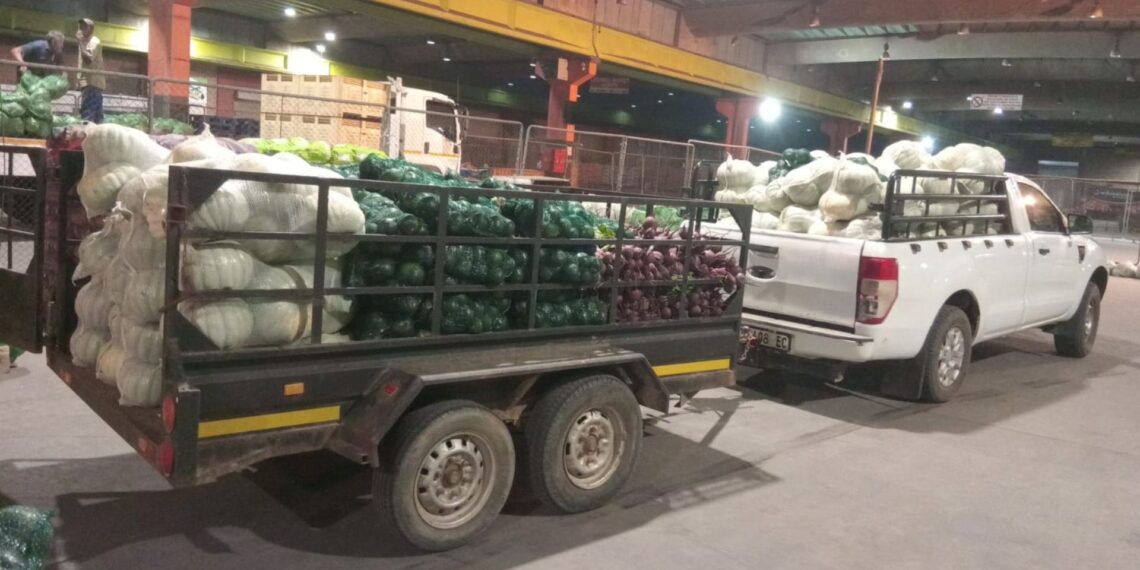
The cooperative produces cabbage, pumpkin, butternut, beetroot, and cauliflower, making it one of only four vegetable producers in the area.
The cooperative now harvests every two to three months, producing 30 000 to 50 000 cabbages, 5 000 cauliflower, 5 000 broccoli, pumpkin and butternut across three hectares each, as well as beetroot and carrots on 0.5 hectares each. The produce is sold at the Markman Market in Gqeberha.
According to a statement by the Eastern Cape Development Corporation (ECDC), during peak harvest seasons, they employ 14 to 18 casual workers, providing vital short-term jobs in the community. The farm also keeps 14 pigs and 10 cattle, further diversifying income streams.
ECDC support helps co-op harvest success
“For me, this cooperative is about securing a future for my children. I told them there are no jobs waiting in South Africa. We must build something that will carry them long after I’m gone,” Thys said.
Thys said the turning point for the cooperative came when they received a R385 774.66 incentive from the Eastern Cape Development Corporation’s Imvaba Cooperatives Fund, following a referral from a department of agriculture official who admired the family’s work ethic.
Related stories
- Eastern Cape MEC Kontsiwe applauds clean audit and job creation
- Eastern Cape farmers tackle nappy waste to save grasslands
- Citrus industry pays tribute to visionary Deon Joubert
- North West launches game-changing goat farming programme
“Before the financial incentive, we struggled to hire tractor implements at up to R250 per hour, often for several days at a time. The grant enabled us to purchase implements and upgrade irrigation systems. These changes have dramatically reduced operational costs and boosted production. The workload is so much lighter now. Imvaba came at the right time. I’m very grateful,” he said.
A helping hand to agribusinesses
Meanwhile, ECDC acting chief executive officer, Lulama Mbobo-Vava, said the corporation used the Imvaba Cooperatives Fund to support the sustainability of primary cooperatives in the Eastern Cape.
“For example, in the 2024/25 financial year, the ECDC disbursed R17.58 million to 57 cooperatives and enterprising individuals that are part of cooperatives through the ECDC-administered Imvaba Cooperatives Fund.
“The Imvaba Cooperative Fund specifically fosters entrepreneurial development, encourages self-employment, and contributes to poverty alleviation, while enhancing the role of cooperatives in the provincial economy,” she said.
Mbobo-Vaya said supported sectors included agriculture and agro-processing, manufacturing (timber, textiles, chemicals, automotive, metal processing), retail, services, creative industries (arts and crafts), tourism, the green economy (biofuels and renewable energy), business process outsourcing (telecoms), ICT, film production, textiles, and the oceans economy.
With A-grade vegetables that already meet the standards of major retailers such as Spar, Shoprite and Woolworths, the cooperative is positioned for large-scale commercial supply. The only barrier is the lack of a pack-house required for packaging and dispatching produce according to retail specifications.
“The demand is there, the quality is there. All we need now is a pack-house to unlock those opportunities,” Thys said.
READ NEXT: Brazil and South Africa join forces for safer meat trade