The world is keeping a watchful eye on the price and availability of essential grains and oilseeds, writes agricultural economist Wandile Sihlobo. He gives a rundown of the major commodities being moved around the world today.
Since the Russia-Ukraine war started on February 24, the global grains and oilseed supplies have remained a major focus for countries across the globe. The prices of essential commodities such as maize, wheat, palm oil, sunflowers seed, and soybeans have increased notably over the past few months.
The price increases are due to ongoing worries about supply constraints and rising demand from countries that would have typically imported products from the war-ridden Black Sea region.
One organisation that helps us get a sense of the size of the global grains and supplies is the United States Department of Agriculture (USDA) through its monthly report of the World Agricultural Supply and Demand Estimates.
Wheat

In the April 2022 update, the USDA left the 2021/22 global wheat production roughly unchanged from the previous month, at 779 million tonnes, which is marginally up from the last season.
About 14% of this harvest is from Russia and Ukraine. While a proportion of wheat from this region had already been exported by the time the war started, there were still supplies that weren’t exported yet, which cannot be easily accessible by the global buyers currently. The destruction of infrastructure in Ukraine, the sanctions on Russia and higher shipment insurance premiums in moving grains to various export destinations are some of the limitations in importing grains from the Black Sea.
Because of the increase in global consumption by both human and animal feed industries, the 2021/22 global wheat stocks are forecast to decline further from March onwards to 278 million tonnes, down 3% from the 2020/21 season.
This decline in global stocks, combined with challenges facing shipments in the Black Sea region, means that international wheat prices could remain elevated over the medium term, as has been the case since the days leading up to the invasion of Ukraine by Russia.

Maize
Maize is also an important grain for human consumption and animal feed and has been a major focus since the Russia-Ukraine war started. Like wheat, the USDA has left the maize production estimate roughly unchanged from March 2022, at 1.2 billion tonnes.
Compared with the 2020/21 season, this is up by 7%. The expansion in area plantings in Brazil and Argentina has compensated for the yield loss. Thus, both countries are set to have a larger harvest than the 2020/21 season despite the drier weather conditions experienced in the past few months.
Russia and Ukraine’s production prospects are largely positive compared with the 2020/21 production season, and the data is unchanged from March 2022. Thus, the available maize for exports in both countries collectively accounts for 16% of the global maize export forecast of 200 million tonnes in the 2021/22 production season.
As with wheat, the limitations on exports of such a large volume of maize will continue to add upward pressure on prices as buyers continue to place higher bids for maize from other origins such as South America, the US and South Africa, amongst other vital exporters.
Prices could remain slightly elevated despite the maize stocks having improved further from March to an estimated 305 million tonnes, up 5% from the 2020/21 season.

Soybeans and sunflower seeds
Brazil and Argentina typically account for 50% of global soybean production. As such, the reports of dryness in these countries since the season started and the frequent downward revision of the crop by the local analysts raised fears of the potentially lower global soybean harvest and kept vegetable prices at higher levels since the start of the season.
Fortunately, there was no significant adjustment from March estimates of these countries’ harvest estimates in April. As such, the 2021/22 global soybean harvest is at 350 million tonnes, down by four million from last month, a decline of 5% year on year.
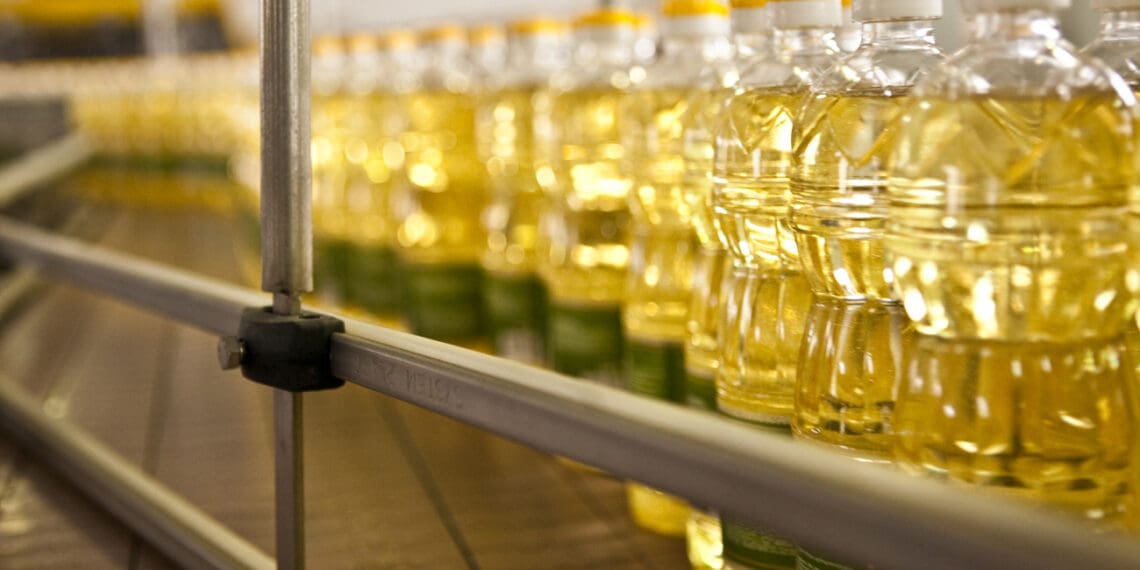
These poor soybean production conditions, combined with expectations of lower exports of sunflower seed from Russia and Ukraine, which typically account for nearly 60% of global sunflower oil exports, will keep the global vegetable products prices elevated over the short to medium term.
Overall, the global grains and oilseeds market conditions haven’t changed much from the picture last month. The Russia-Ukraine war is an added upside risk to prices; the pre-existing dryness challenges in South America and Asia and strong demand were the upside drivers of prices.
These supply and exports dynamics are mirrored in the surge in prices these past few months, with the FAO’s Global Food Price Index averaging 159 points in March, up by 13% from February and at a new highest level since its inception in 1990.
This increase reflects new all-time highs for vegetable oils, grains and meat sub-indices, while those of sugar and dairy products also rose significantly.
These developments are a global occurrence and are reflected in the South African market, which is interlinked to the world’s food market. Hence, we continue to keep a close eye on such developments.
ALSO READ: Russia-Ukraine: In the end, we all pay the price
Sign up for Mzansi Today: Your daily take on the news and happenings from the agriculture value chain.