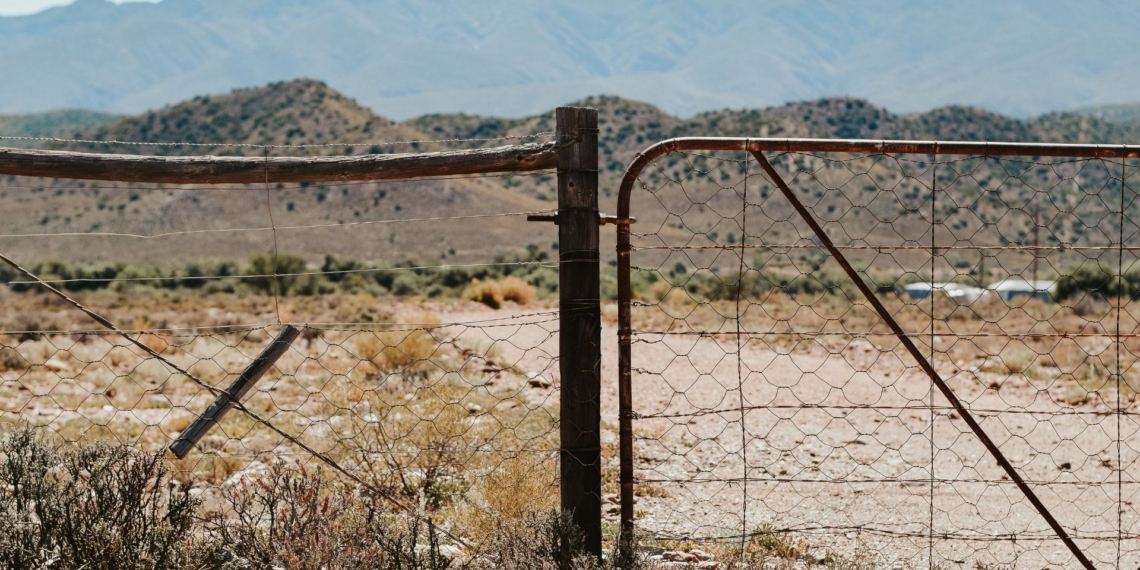
Rural crime continues to threaten farmers, farmworkers and agricultural production in South Africa, prompting calls for stronger policing, improved farm security and evidence-based interventions to protect rural communities.
Thabo Phasha, African Farmers’ Association of South Africa (Afasa) youth chairperson, said crime places significant pressure on farmers, particularly in rural areas where security resources are limited, and farms are geographically isolated.
“Crime does not only threaten the safety of farmers and farmworkers, but can also disrupt production, damage agricultural infrastructure and increase the cost of doing business,” Phasha said.
He believes addressing the problem requires closer collaboration between farmers, communities, law-enforcement agencies and government, alongside improved rural policing, faster responses to reported incidents and stronger information-sharing networks.
Phasha warned farmers to remain vigilant against livestock theft, saying criminals may use traps to steal animals and, in some cases, hide on farms without the owners’ knowledge. He urges producers to conduct weekly inspections of their properties and remain alert to suspicious activity.
He further called for tougher sentences for stock theft, arguing that the crime destroys livelihoods and undermines the broader economy.
Related stories
- Rural safety under fire as stock theft and farm violence persist
- Cry for rural safety as farm attacks persist amid lack of resources
- Protect your herd: Tips for preventing livestock theft
- Land reform and rural safety top AgriSA’s 2026 agenda
Hostage incident prompts stronger security
For commercial vegetable producer Lesego Mohube in Gauteng, farm security has become a daily priority following a hostage incident in March, when workers were held from approximately 8:00 until 15:00.
The perpetrators released the workers after stealing mobile phones and televisions from their rooms. Since the incident, Mohube said the landowners have strengthened security by installing cameras and improving fencing across the farm.
The cameras detect movement and trigger a loud sound, alerting those on the property to possible intruders. “So, even at night, when I’m sleeping, if someone is moving, I know that someone is moving because of the sound,” she said.
Mohube noted that the experience has made her more alert to unfamiliar vehicles and suspicious activity. She has also urged workers to take greater precautions at night, including securing their rooms and doors.
Reflecting on the incident, she said the workers had been drinking outside when the perpetrators arrived, leaving them vulnerable.
“When you’re intoxicated, and someone comes with a knife or a gun, you can’t defend yourself. You can’t do anything,” she added.
Although she does not prohibit workers from drinking, Mohube stressed the importance of personal safety and cautioned against sharing sensitive information about farm operations and security arrangements with outsiders.
AgriSA and ISS join forces on rural crime data
Meanwhile, AgriSA and the Institute for Security Studies (ISS) have signed a memorandum of understanding (MoU) to formalise their collaboration on collecting, sharing and jointly reporting rural crime data.
The partnership aims to establish a credible evidence base to identify the causes of rural crime, assess prevention measures and inform responses by government and the South African Police Service (SAPS).
AgriSA chief executive officer Johann Kotzé said rural safety requires moving beyond competing statistics towards evidence that supports practical interventions.
“Together, we want to turn that knowledge into practical interventions that improve safety for the people who live and work in rural communities,” Kotzé said.
Lizette Lancaster, head of the ISS’s Justice and Violence Prevention Programme, said combining organised agriculture’s knowledge of rural communities with independent research can help determine what drives violence and which interventions are effective.
Both organisations emphasised that farm crime cannot be addressed in isolation from surrounding towns and communities. Effective prevention requires cooperation between farmers, farmworkers, local communities and police, supported by accountable community safety initiatives.
READ NEXT: El Niño puts livestock farmers on alert ahead of summer breeding season