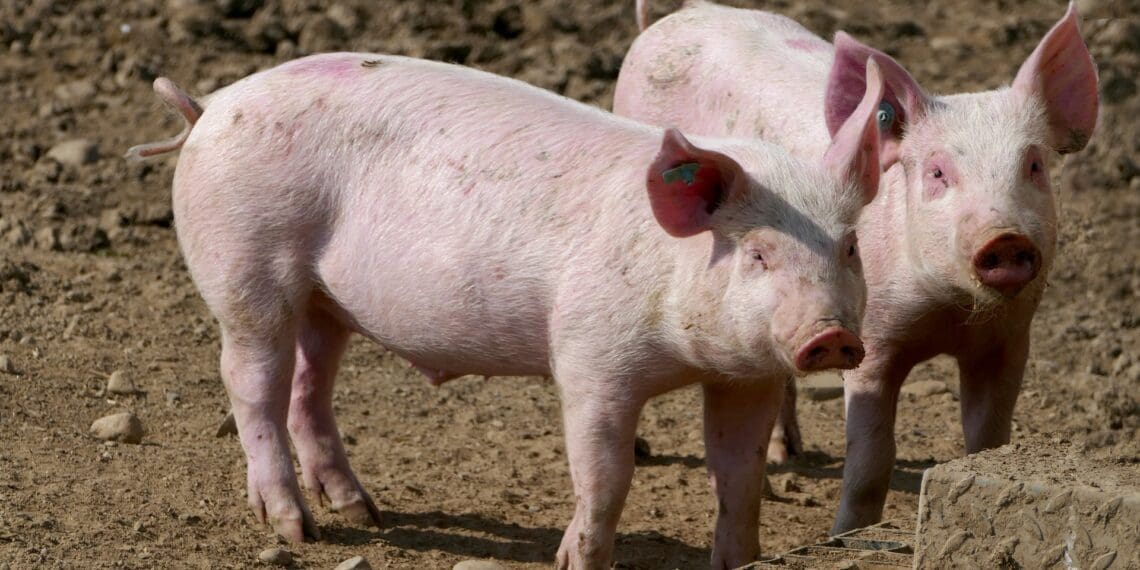
Keeping your pig herd healthy is crucial as it can make or break your farming operation. Looking at the health of the herd collectively is of the utmost importance as one mistake or disease can affect not just one pig, but the whole group.
The state of an animal’s health is determined by how well it can carry out its essential duties. Growth and reproduction are two of a pig’s essential processes because they play a significant role in the economic viability of the pig production industry.
Dr Sakhumuzi “Sakhi” Nkosi, a technical veterinarian at Afrivet, shares the importance of pig herd health and how health is not just the absence of infectious diseases. It also depends on genetics, nutrition, the environment, and natural animal resilience.
What is pig herd health?
Nkosi says, “Pig herd health is when we look at the health status of the whole herd as opposed to looking at the health of one pig in the system. We consider diseases that can affect the whole herd as a group and from that information we derive systems, strategies, and programmes to help us optimise the health and production of the pigs.”
Each farm will have its own different formulated pig herd health programme, which is based on the diseases that commonly occur on the farm. This is important because when you look at the market today there is a demand for pig products.
“So, farmers are eventually forced to increase their capacity on small lands, having a large number of pigs in small spaces and that can be a vector and a super spreader for many diseases,” he says.
It is therefore important to reduce or prevent the introduction of diseases on a farm. It is equally important to be well-informed before you start your farming journey.
Before you start your herd
When you buy pigs, invest in good genes. Invest in breeds that are good for your area and farming purpose.
Befriend a vet as an emergency contact who can help you when anything goes wrong. It helps with vaccination, deworming, and feed programmes. Pigs are fed differently depending on the production cycle.
There are a number of essential tools for farmers to manage their pig herd health:
- Have a good record-keeping system: It will help the farmer see if there are more diseases in the area or problems with pig weight gains or at the abattoir. Record everything and have an idea of what is happening on your farm. It will also tell you if your current strategies are working or if you need to improve on any of your programmes.
- Adequate housing: It is important to look at stocking densities and the number of pigs per pen, sizes of the pens, and temperature including waste control, flow, and ventilation.
- Feed/nutrition: Malnutrition or deficiencies can cripple the immune system that prevents pigs from receiving a vaccination and therefore antibiotics will not work.
Diseases to look out for
For pig farmers to be successful in Mzansi, they should be able to identify or recognise the symptoms of diseases in pigs. These are a few of the vital diseases (but not the only) that can have an impact on pig herd health:
Pneumonia: Enzootic pneumonia is common, yet clinical signs are confined to coughing when roused and depression of weight gain in immune herds. In non-immune herds, even adults may develop severe pneumonia and some may die. The clinical signs of pneumonia include a rise in respiratory rate. It is easy for this disease to spread.
Usually, pneumonia in the sow involves a mixed infection of viruses and secondary bacteria. Broad-spectrum antibiotics are indicated. Inject individual cases daily for 3 to 4 days.
Piglet diarrhea: Piglet diarrhoea or “scour”, is an excretion of feces containing excess fluid. Affects weight gain and overall productivity within a pig herd. Loose stool or diarrhoea caused by diet usually does not result in weight loss.
Restricting feed intake, reducing the protein content of a feed by about 4% and/or substituting rolled or crimped oats or oatmeal as 25 to 50% of the ratio usually cures dietary-induced diarrhoea.
African Swine Fever (ASF): ASF is a highly contagious viral disease of pigs. In its acute form, the disease generally results in high mortality. ASF is a different disease from swine flu. The virus does not affect people and there is no impact on human health.
There is no treatment or vaccine available for this disease. The only way to stop this disease is to depopulate all affected or exposed swine herds.
Once you have a sick pig they will not perform as they would have when they were healthy.
Most of the diseases can be managed through vaccination or by following the following tips:
Tips to prevent disease:
- Keep pigs outside of the piggery;
- Keep swine flu out of your farm. Biosecurity at the farm level is the set of practical measures taken to prevent the entrance of infection into a pig farm and control the spread of diseases;
- Know where you buy your pigs from and the health status of the supplier;
- Know the area where you farm is common for certain kinds of diseases.
Prevention is better than curing or culling
It is important to be an active participant to prevent your herd from any serious diseases. However, there are some things that are just out of your hands as a farmer and it is always important to make the best out of a situation.
In the case of any urgency, do not take matters into your own hands. Build a close relationship with your local veterinarian and always be ready to ask questions and learn.
“It is important to consult with your local veterinarian, state veterinarian or private, whichever ones you can afford, and it may be strenuous for you to have all these programmes but remember that these programmes and strategies are developed to increase production and increase your profit,” Nkosi says.
READ NEXT: Women’s Day: Join us at our Soul To Soil
Sign up for Farmer’s Inside Track: Join our exclusive platform for new entrants into farming and agri-business, with newsletters and podcasts.