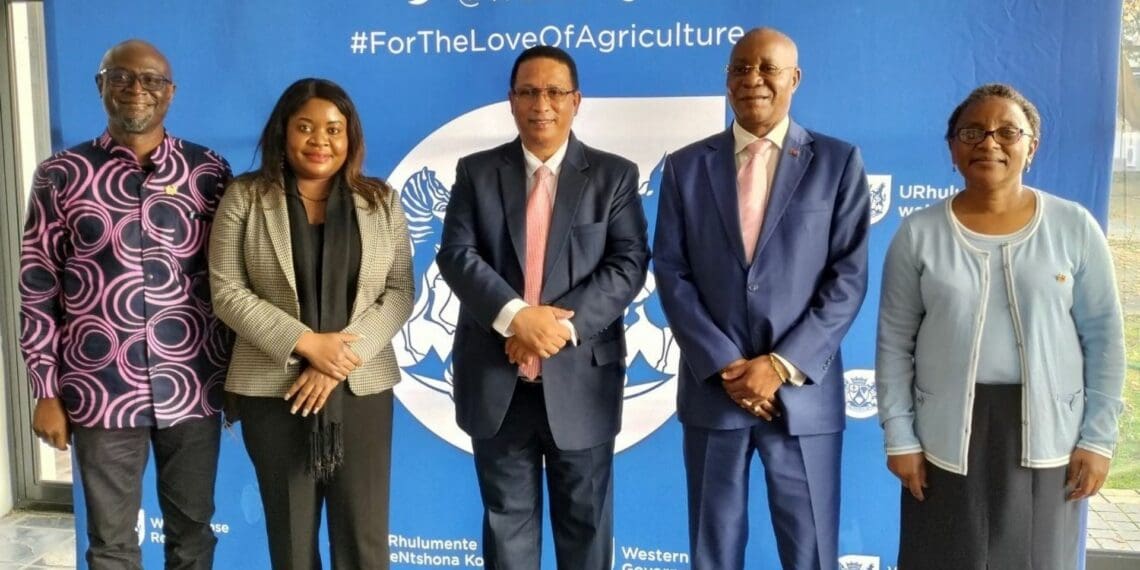
A new strategy by the Western Cape department of agriculture aims to unlock agricultural opportunities in Africa for the Western Cape agricultural sector. This includes agricultural trade products, inputs, services, technology partnerships, information, skills development, training and logistics.
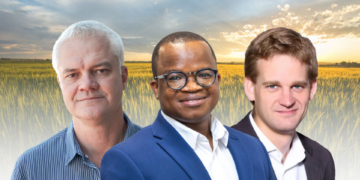
Dubbed the “Africa agricultural strategy for the Western Cape”, the plan was unveiled by the province’s agricultural minister, Dr Ivan Meyer.
According to Meyer the strategy focuses on co-creation within economic development, job creation, and food security. According to his department, Africa is the third-largest market of the Western Cape’s primary agricultural exports, accounting for R4.3 billion in 2021.
Meyer said he believed that the African market offered great trade opportunities and was essential to South Africa and the rest of the world. A major part of the African market imports for agricultural commodities comes from South Africa.
“Globally [the African market] accounts for 2.9% of global imports and contributes 2.8% to the world economy. Furthermore, during 2012-2017, the average annual GDP growth increased by 4.3%, the second fastest-growing economy after Asia at 4.5%,” Meyer said.
ALSO READ: ICYMI: E Cape fruit farmers look forward to great harvest
Agriculture welcomes move
The strategy has been welcomed by the Consul General of Angola, Sebastião De Carvalho Neto, who highlighted that agriculture was the base for economic development and the fight against poverty and hunger.
”The Angolan government is looking at diversifying its economy with a strong focus on agriculture. We are looking at production capacity, innovation and technology and market opportunities,” De Carvalho Neto said.
He added that the strategy laid the platform to strengthen bilateral links and develop a more focused approach to Angola’s relationship with the Western Cape government, the province’s official tourism, trade and investment promotion agency Wesgro, and the department of agriculture.
CEO of Agri-Western Cape, Jannie Strydom, said that his organisation is committed to supporting the department’s African strategy.
“Government can play a crucial role by addressing poor infrastructure and logistical challenges, and by facilitating trade relationships.
“Government must take responsibility for creating and enabling an environment for the private sector to do business,” Strydom said.
With the impact of the war in Ukraine, Africa is the next centre of agricultural growth, trade and investment, Meyer said. According to him the Africa Continental Free Trade Agreement created mutually beneficial opportunities to tackle poverty, hunger and food insecurity.
Sign up for Mzansi Today: Your daily take on the news and happenings from the agriculture value chain.