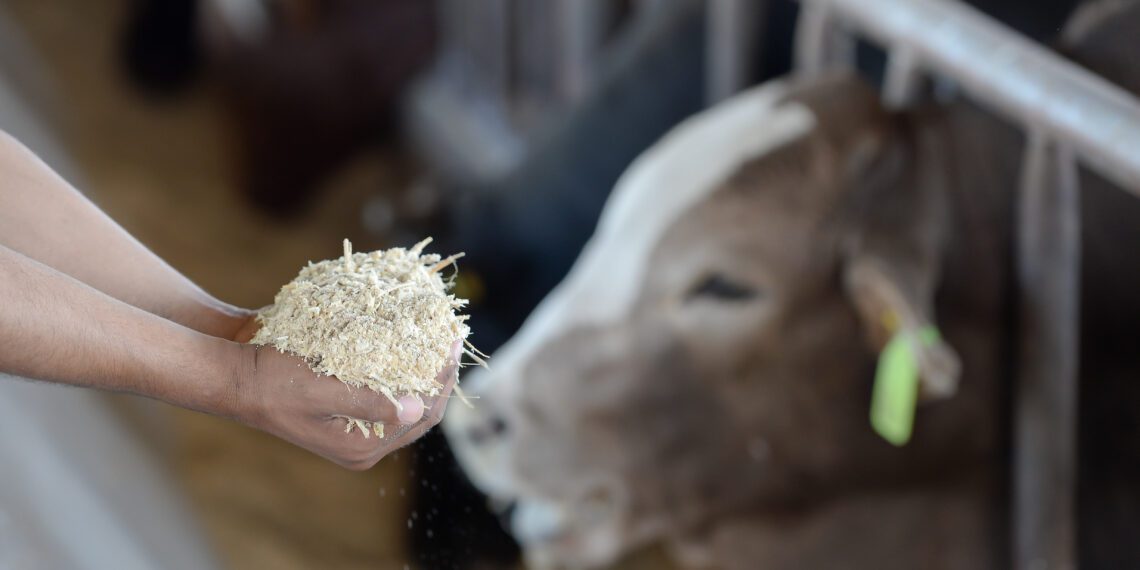
The Shoprite Group’s initiative to transform food waste into animal nutrition exemplifies a proactive approach towards environmental sustainability and the circular economy.
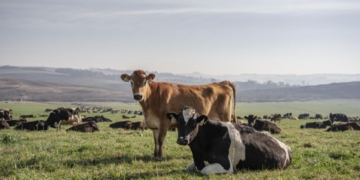
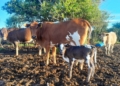
By converting 1 000 tonnes of food waste into animal feed within the last six months, the group is not only preventing waste from ending up in landfills but also contributing to the nutrition of up to 3 000 cattle daily.
Reducing and reusing waste
The process involves repurposing food products, primarily returned from Shoprite and Checkers supermarkets, that are no longer suitable for human consumption. Instead of discarding these products, the retailer channels them to its distribution centers in Brackenfell in the Western Cape, and Centurion in Gauteng.
The group’s head of sustainability and CSI, Sanjeev Raghubir, emphasised the goal of achieving zero organic waste to landfill by 2025. “In the current year alone, the initiative has helped divert 72 000 tonnes of waste away from landfills.”
Raghubir highlights that by embracing this hierarchical waste management model, the Shoprite Group is adopting industry-leading practices to reduce, reuse, and repurpose waste.
“This holistic and sustainable approach aligns with broader environmental goals, making it a noteworthy example of corporate responsibility and innovation in waste management,” he said.
READ NEXT: Top farmers to headline Mzansi Young Farmers Indaba
Supplementing cattle feed
According to the Shoprite Group, the food items, including dried goods like rice, pasta, maize products, cereal products, flour, chips, snacks, and seeds, are then used to supplement hominy chop, a byproduct of maize milling, in the group’s animal feed formula.
Raghubir said the innovative approach maintained high-quality feed for the cattle. “Firstly, efforts are directed towards preventing food waste through careful review of ordering, replenishment, and ranging processes, supported by technology and data analytics to identify and address food waste hotspots.
“Any surplus food that remains fit for human consumption is donated to registered beneficiary organisations, impacting 544 such organisations over the past financial year and providing 67 million meals,” he said.
Raghubir added that only when surplus food is deemed no longer fit for human consumption is it considered for animal feed eligibility and composting. “This ensures that waste is maximally utilised and repurposed at each stage of its lifecycle,” he said.
ALSO READ: Sick spuds: No need to panic as SA’s potatoes are banned in Zim
Sign up for Mzansi Today: Your daily take on the news and happenings from the agriculture value chain.