Monday, September 7, 2026
SUBSCRIBE
22 GLOBAL MEDIA AWARDS
Food For Mzansi
  • News
  • Changemakers
  • Lifestyle
  • Farmer’s Inside Track
  • Food for Thought
No Result
View All Result
  • News
  • Changemakers
  • Lifestyle
  • Farmer’s Inside Track
  • Food for Thought
No Result
View All Result
Food For Mzansi
No Result
View All Result
in News

Insect protein start-up makes investment history

In one of the largest seed funding rounds in South Africa’s history, a company using black soldier flies to convert low-value organic by-products into high-quality protein, oils and fertilizer has raised $5.3 million

by Ivor Price
26th April 2022
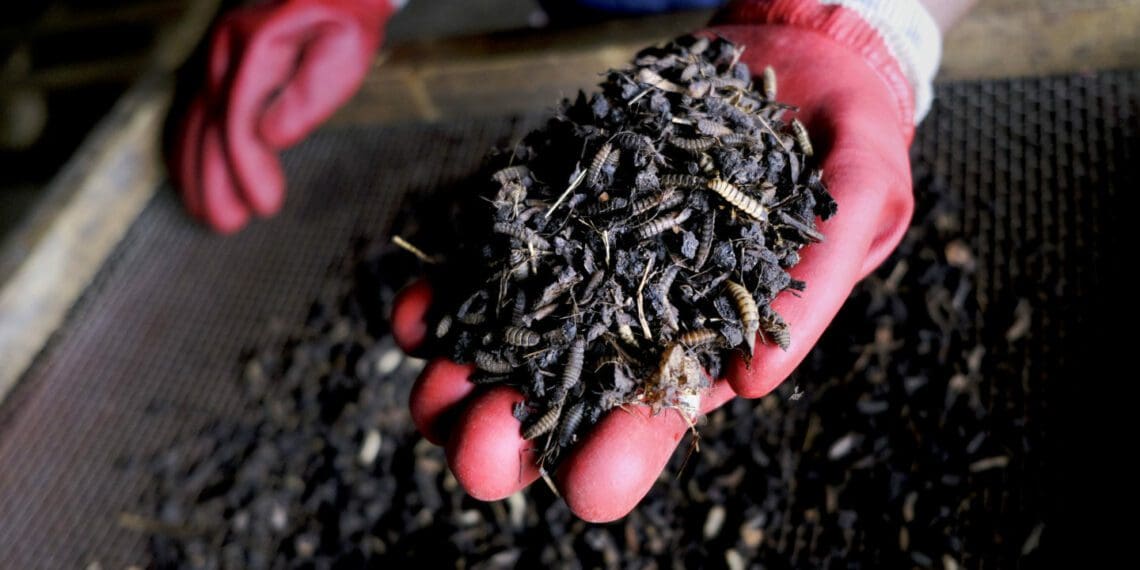
The use of black soldier flies for livestock feed is already gaining popularity across Afriac. Photo: Supplied/John Hogg

The use of black soldier flies for livestock feed is already gaining popularity across Africa. Photo: Supplied/John Hogg

Share on FacebookShare on TwitterShare on WhatsApp

In one of the largest seed funding rounds in South Africa’s history, a company using black soldier flies to convert low-value organic by-products into high-quality protein, oils and fertiliser raised $5.3 million.

Ventureburn reports that Futuregrowth was the lead investor in Inseco, a Cape Town-based start-up company. This venture capital investment in the agriculture space is testimony to the company’s diversification into worthy, impact-driven assets, says Amrish Narrandes, the head of unlisted equity transactions at Futuregrowth.

By converting waste into food and feed, Inseco’s flagship products, EntoMeal and EntoOil, are described as nutritious and sustainable alternatives to conventional products such as fishmeal and fish oil, with distinct environmental returns.

Inseco chief executive Simon Hazell. Photo: Supplied/Food For Mzansi

Inseco currently supplies the local aquaculture, pet food and poultry market. The company plans to expand into the rest of Africa, Europe and the United States. The investment will be used to increase its manufacturing capacity and to fund ongoing research and development to ensure that it remains ahead of the curve.

“Now, more than ever, we’re seeing the importance of sustainability and the responsibility that we have, to be a more resource-efficient society for future generations,” says Inseco chief executive Simon Hazell.

“At Inseco, we believe that insects will play an important role in this transition, becoming a widely available source of sustainable protein, and an important form of nutrition to help meet the food demands of the future.”

Narrandes says Futuregrowth’s backing of Inseco fits well within the company’s philosophy of responsible investment.

“In comparison to traditional protein sources, insect protein has an inherently lower environmental impact, as the process directly reduces food waste, involves minimal greenhouse gas emissions, limited water usage and makes zero use of arable lands.

“In addition to the strong [environmental, social and governance] case, insect protein has a superior nutritional content, which results in higher feed conversion rates compared to traditional protein sources.” 

In a media release, Futuregrowth confirms the Inseco transaction is the ninth venture capital deal done via the Futuregrowth Development Equity Fund. This is said to reflect the fund’s strategy of diversification into worthy early-stage assets.

It also aligns with the company’s growing focus on investing in innovative and sustainable initiatives across the agricultural value chain, especially when these have a beneficial impact on the planet.

Global expansion plans

Various reports predict that the global demand for insect protein could reach 500 000 metric tonnes by 2030, compared to the current production of 10 000 metric tonnes. Although there are many potential uses for insect protein, it is estimated that the largest demand will come from the pet food and aquafeed markets.

With the global pet food market alone valued at $38 billion, Inseco stands to service a very large market.

Furthermore, the insect protein market is forecast to reach $4.6 billion by 2027. Growth in this market will be driven by increased greenhouse gas reduction initiatives, and heightened awareness of the need for sustainable food sources to alleviate food security concerns.

Although human consumption of insects has not received widespread adoption in the West, there are currently over two billion people in the world consuming insects as part of their diets.

ALSO READ: Reporting for duty: black soldier flies to farmers’ rescue

Sign up for Mzansi Today: Your daily take on the news and happenings from the agriculture value chain.
Ivor Price

Ivor Price is a multi-award-winning journalist and co-founder of Food For Mzansi.

Tags: Insect farmingSustainable agriculture
Farmers rethink water use as shortages threaten food production
News

Farmers rethink water use as shortages threaten food production

by Vateka Halile
5th September 2026

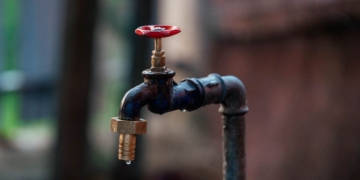
What happens when the taps run dry? Farmers know the answer all too well. Experts and farmers at the Water...

Read moreDetails
Honoured roots: A father’s legacy, a daughter’s farming dream

Honoured roots: A father’s legacy, a daughter’s farming dream

4th September 2026
Gauteng farmers urged to harness massive urban market

Gauteng farmers urged to harness massive urban market

4th September 2026
ONCE-OFF USE; DO NOT REPUBLISH

Foot-and-mouth crisis hits SA dairy industry with R1-billion loss

4th September 2026
Tough times, hardy cattle: Why Mzansi farmers are choosing Nguni

Tough times, hardy cattle: Why Mzansi farmers are choosing Nguni

3rd September 2026

Farmers rethink water use as shortages threaten food production

Government hikes sugar import price, but industry warns of gap

How Tebogo beat post-harvest losses with smart agro-processing

Strategic support sparks record-breaking growth at WC grape farm

Early calf care: Key growth targets every cattle farmer must track

Join Food For Mzansi's WhatsApp channel for the latest updates!

JOIN NOW!
Next Post
Learn more about macadamia farming

Learn more about macadamia farming

THE NEW FACE OF SOUTH AFRICAN AGRICULTURE

With 21 global awards in the first six years of its existence, Food For Mzansi is much more than an agriculture publication. It is a movement, unashamedly saluting the unsung heroes of South African agriculture. We believe in the power of agriculture to promote nation building and social cohesion by telling stories that are often overlooked by broader society.

Young farmers need structured opportunities, not just open doors

BenicaTheFarmer: The nurse who built an agricultural empire

Rural safety under fire as stock theft and farm violence persist

This week’s agri events: 07–11 September

Tiger Brands CEO calls for stronger food value chain

Plant, pick, protect: The rising potential of urban foraging in SA

  • Awards & Global Impact
  • Our Story
  • Contact Us
  • Cookie Policy
  • Privacy Policy
  • Copyright

Contact us
Office: +27 21 879 1824
News: info@foodformzansi.co.za
Advertising: sales@foodformzansi.co.za

Contact us
Office: +27 21 879 1824
News: info@foodformzansi.co.za
Advertising: sales@foodformzansi.co.za

  • Awards & Global Impact
  • Our Story
  • Contact Us
  • Cookie Policy
  • Privacy Policy
  • Copyright

Chat Options

I'm Lerato, your AI assistant!
No Result
View All Result
  • News
  • Changemakers
  • Lifestyle
  • Farmer’s Inside Track
  • Food for Thought

Copyright © 2024 Food for Mzansi

This website uses cookies. By continuing to use this website you are giving consent to cookies being used. Visit our Privacy and Cookie Policy.