Sunday, November 22, 2026
SUBSCRIBE
22 GLOBAL MEDIA AWARDS
Food For Mzansi
  • News
  • Changemakers
  • Lifestyle
  • Farmer’s Inside Track
  • Food for Thought
No Result
View All Result
  • News
  • Changemakers
  • Lifestyle
  • Farmer’s Inside Track
  • Food for Thought
No Result
View All Result
Food For Mzansi
No Result
View All Result
in It Takes a Village

Living Soils internship empowers women, feeds communities

Meet the future of farming! At Living Soils in Stellenbosch, 20 young interns – 65% of them women – are learning sustainable agriculture hands-on. With crop donations feeding over 15 000 people daily, this farm is a force for food security and social justice

by Staff Reporter
16th April 2025
Add FFM on Google
The recently donated greenhouse tunnel serves as an invaluable platform for the interns to explore precision agriculture techniques that enhance sustainability and efficiency well increasing the Livings Soils’ yields. Namhla Skweyiya is the project manager at the Living Soils Community Learning Farm. Photo: Diane Peterson

The recently donated greenhouse tunnel serves as an invaluable platform for the interns to explore precision agriculture techniques that enhance sustainability and efficiency well increasing the Livings Soils’ yields. Namhla Skweyiya is the project manager at the Living Soils Community Learning Farm. Photo: Diane Peterson

Share on FacebookShare on TwitterShare on WhatsApp

At the heart of the Stellenbosch Winelands, a quiet revolution is taking root at the Living Soils Community Learning Farm. Here, young, new-generation farmers are not only cultivating crops but growing futures, armed with critical agricultural skills.​

Born from a powerful partnership between Woolworths, Spier Wine Farm, and the Sustainability Institute, this initiative is sowing the seeds of food security – one harvest, one learner, one community at a time.​

Namhla Skweyiya is the project manager at the Living Soils Community Learning Farm says they have welcomed 20 new interns this year for their year-long sustainable agriculture internship programme – of which 65% are up-and-coming women farmers.

“With an ambitious vision for 2025, Living Soils is poised to deepen its impact…cultivated land will increase by 90%, from 1.1 ha to 2.1 ha, significantly enhancing food production and availability,” Skweyiya says. 

This expansion reflects the farm’s commitment to scaling its impact. In 2024, Living Soils achieved a remarkable 214% increase in total produce tonnage compared to 2023, resulting in the harvesting of 15 773kg of fresh food. Of this, 9 877 kg was donated to nearby communities and early childhood development centres, reinforcing Living Soils’ mission of food security.

Community impact

To further enhance food diversity for local communities, new crops – including mixed peppers, butternut, marrows, tomatoes, and turnips – will be introduced. This initiative aims to enrich the nutritional value of the produce available to beneficiaries.​

According to Skweyiya , the introduction of a greenhouse tunnel, donated by Vegtech Netafim, provided interns, farm employees, and managers with an invaluable platform to explore precision agriculture techniques that enhance sustainability and efficiency.​


Related stories
  • Water-wise food garden grows hope and dignity in Gqeberha
  • Growing health: ECD centres in NC cultivate sustainability

“Over 15 000 individuals benefited daily from fresh produce through direct donations and subsidised sales to organisations such as Feeding in Action, the Pebbles Project, and the Lynedoch Children’s House,” she says. 

Additionally, a 45% increase in revenue highlights Living Soils’ advancing financial sustainability, ensuring the longevity of its social impact.

This year’s interns are in the year-long sustainable agriculture internship programme. Photo: Diane Peterson

Hands-on training with heavy machinery​

In 2024, eight interns graduated, with two securing employment immediately and two pursuing further studies.

This year, new practical training opportunities will be introduced, such as tractor-driving lessons sponsored by Afgri Equipment Bellville, providing interns with essential hands-on agricultural skills.

“[We are also] installing a new, highly efficient irrigation system, along with on-field irrigation maintenance training, provided by Vegtech Netafim, [which will] improve efficiency and productivity on the farm.

“These developments not only enhance the farm’s operational capabilities but also equip interns with valuable experience in modern agricultural practices.​”

Skweyiya says the Living Soils Community Learning Farm is more than just a training ground for future farmers but a movement toward social justice, addressing key inequalities in education, employment, and food security. 

“With 65% of the 2025 interns being women, Living Soils is actively breaking down gender barriers in agriculture,” Skweyiya adds.

They also champion regenerative agriculture, promoting environmental sustainability while ensuring equitable food access.

READ NEXT: What a ride! Young farmers hail life-changing indaba

Sign up for Mzansi Today: Your daily take on the news and happenings from the agriculture value chain.
Add FFM on Google Follow FFM on Google News

Staff Reporter

Researched and written by our team of writers and editors.

Tags: Commercialising farmerInspire meWestern CapeWoolworths
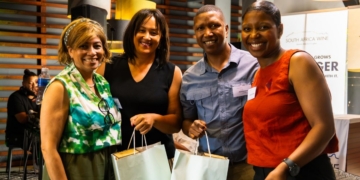
Karin Kleinbooi, executive director for inclusion and development at South Africa Wine; Berene Sauls of Tesselaarsdal Wines; Denzel Swarts of Zoetendal Vineyards; and Mahalia Kotjane of Three Quarters Wines at South Africa Wine’s Inclusive Growth Indaba 2026. Photo: Food For Mzansi
News

Six hard-earned lessons from black-owned wine brands

by Ivor Price
19th November 2026

Four wine entrepreneurs share their costly mistakes and biggest breakthroughs. Their lessons offer valuable insights into building profitable, sustainable wine...

Read moreDetails
A young woman crouches in a community garden, holding a green tomato to show an older man standing beside her in an apron.

Why giving farmers seedlings isn’t enough to beat the next drought

19th November 2026
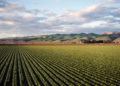
Neat rows of green crops stretch across a vast field toward rolling hills under a cloudy sky.

AgriSA, IFC partner to streamline sustainable farm finance in SA

19th November 2026
Cuts of raw red meat displayed on trays behind a glass butcher's counter.

Festive demand vs. El Niño: What’s driving SA’s livestock market?

18th November 2026
Karin Kleinbooi, executive director for inclusion and development at South Africa Wine, spearheaded the Inclusive Growth Indaba 2026, championing the view that transformation and industry competitiveness must go hand in hand. Photo: Food For Mzansi

Beyond the bottle: How black-owned wines can win market share

18th November 2026

Why giving farmers seedlings isn’t enough to beat the next drought

Value chain collaboration key to building climate-resilient farming

Private partnerships unlock millions for land reform beneficiaries

Business-first mindset drives success for EC mohair farmers

How Alkelp is turning seaweed into biostimulants that deliver value on the farm

Join Food For Mzansi's WhatsApp channel for the latest updates!

JOIN NOW!
Next Post
Herbicide-resistant weeds are emerging as a major threat to soya bean production, challenging farmers to rethink their management strategies. Photo: Supplied/Food For Mzansi

Herbicide-resistant weeds threaten soya bean profits

THE NEW FACE OF SOUTH AFRICAN AGRICULTURE

With 21 global awards in the first six years of its existence, Food For Mzansi is much more than an agriculture publication. It is a movement, unashamedly saluting the unsung heroes of South African agriculture. We believe in the power of agriculture to promote nation building and social cohesion by telling stories that are often overlooked by broader society.

Private partnerships unlock millions for land reform beneficiaries

African markets offer fresh growth opportunities for SA rooibos

Supplying Joburg Market: Phumla Qwabe grows her next chapter

How Alkelp is turning seaweed into biostimulants that deliver value on the farm

Climate risk is business risk: How farmers can prepare for El Niño

Eight-year harvest low threatens survival of SA wheat farms

  • Awards & Global Impact
  • Our Story
  • Contact Us
  • Cookie Policy
  • Privacy Policy
  • Copyright

Contact us
Office: +27 21 879 1824
News: info@foodformzansi.co.za
Advertising: sales@foodformzansi.co.za

Contact us
Office: +27 21 879 1824
News: info@foodformzansi.co.za
Advertising: sales@foodformzansi.co.za

  • Awards & Global Impact
  • Our Story
  • Contact Us
  • Cookie Policy
  • Privacy Policy
  • Copyright

Chat Options

About this assistant

This feature generates automated answers summarised from Food For Mzansi articles. By using it, you are interacting with an AI system (provided by Google), not a human. AI can make mistakes. Please refer to the source articles for verification and citation purposes.

Our staff do not check or moderate Lerato’s answers in advance, but may review some later. Our journalists continue to write and edit all the articles Lerato uses as sources.

To estimate unique and returning web users, we store a random browser ID in this browser. WhatsApp users are counted by phone number. The same person using both channels may be counted twice.

I'm Lerato, your AI assistant!
No Result
View All Result
  • News
  • Changemakers
  • Lifestyle
  • Farmer’s Inside Track
  • Food for Thought

Copyright © 2026 Food for Mzansi