Access to information and the ability to share knowledge on best practices are essential tools for standing out as a successful farmer. This key message was echoed by multiple speakers at the Food For Mzansi Farmers’ Day held in Bethal, Mpumalanga.
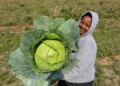
Host farmer Motshidisi Modise, who farms with crops and livestock, said resilience and dedication got her through the storms of life and setbacks in the agricultural sector. She called on young farmers to avoid negativity about the sector and start working the land.
“Agriculture is my home. Immediately after exiting an agricultural college, I started this project and this took my experience in the sector to the next level. I farm on 154 hectares, however, I do have other projects that I am working on.
“The challenges are that at the moment we are unable to plant maize because it is too close to the township; theft is a big problem in our area,” she said.
Another challenge farmers in their area had to deal with was frost last year which impacted a project funded by the premier’s office. “At the moment it is standing still,” Modise said.
Improving livestock traceability
Technical advisor at Red Meat Industry Services (RMIS), Khomotso Mashiloane, told farmers attending the event that farming needs knowledge and that can be acquired through extensive research, treating it like a business and having the right mindset.
Speaking on inclusive growth and traceability Mashiloane said for the livestock industry to thrive, a solid traceability system is needed to combat biosecurity issues which hamper farmers and the sector’s growth.
Related stories
- Mpumalanga Fresh Produce Market comes to life after decade
- Floating solar panels transform Mpumalanga farm’s future

“If we are a traceable country we can know exactly where the diseases are located, and we can be able to do proper quarantine. That is why RMIS has started the red meat traceability, it is important so that we can safeguard the sector,” he said.
Mashiloane explained that RMIS’s strategy is to increase red meat exports by 20% by 2030, however, hard work is needed to ensure that all livestock in the country are traceable.
“The more we export, the more the market opens for small-scale farmers. But if we are dealing with outbreaks of foot-and-mouth disease we will be unable to export, so we all need to work together to ensure that we are able to account for all the livestock we have,” he said.

Vice president of Grain SA Jeremia Mathebula said it is important that farmers join commodity organisations that would help them with insights and information to better their operations. Photo: Supplied/Food For Mzansi
“We are delighted to be here on a young woman’s farm; we indeed need more women in the agricultural industry. There is a lot of development out there for grain farmers. I am happy that the farmer we came to is a grain farmer, so let us grab opportunities that are out there to grow our businesses and the economy,” he said.
Resources to assist farmers
Senior technical information officer from the department of agriculture, Rose Mantshidi, called on farmers to know the chemicals they use on their crops at all times to avoid food diseases. She urged farmers to be compliant with regulations set out by the department as that would ensure they are ready for exports.

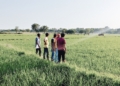
Mpumalanga farmers gained valuable insights at the Food For Mzansi event. Speakers highlighted the importance of research, business mindset, and utilising available resources like the Agri-Energy Fund. Photo: Supplied/Food For Mzansi
Meanwhile, Land Bank relationship manager Hendrik Coetzee called on farmers to familiarise themselves with the blended finance scheme and the Agri-Energy Fund. He said in the Ermelo area where he works, there have been good and not-so-good stories when it comes to funding applications.
Goodwill Mbenyane, Youth in Agriculture and Rural Development (Yard) representative and a farmer, said events like the farmers’ days are extremely important as they offer farmers an opportunity to reflect, ask questions, gain knowledge, explore opportunities, and engage with other farmers on how best to work the land.
“I have had so many setbacks as a farmer, however, my dedication and determination got me where I am. I currently supply retailers with my produce. Theft and adverse weather conditions had set me back but I continued pushing through,” he said.
READ NEXT: Peritum Agri Institute opens new chapter in agri-education
Sign up for Mzansi Today: Your daily take on the news and happenings from the agriculture value chain.