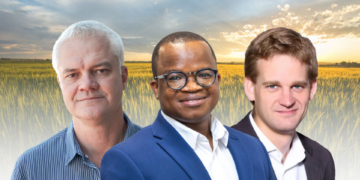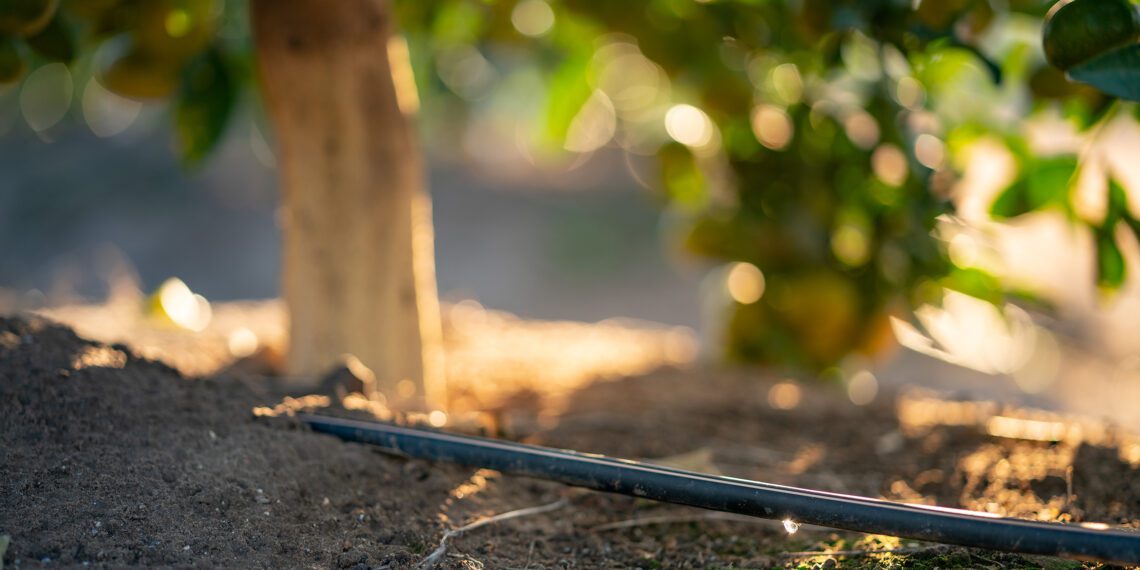
Charl van Reenen, agronomy manager at Netafim South Africa, discusses the advancements in tree crop irrigation. Highlighting the shift towards precision irrigation, he emphasises the integration of real-time data and automation to optimise water use, reduce costs, and enhance sustainability in agriculture.
The agricultural sector has seen a significant shift towards more precise and efficient irrigation practices, especially in the management of tree crops. This shift is driven by the need to optimise tree health, reduce environmental impact, increase resource-use efficiency, and enhance farm profitability.
In an interview with Food For Mzansi, Charl van Reenen, agronomy manager at Netafim South Africa, shared insights into tree crop irrigation and the innovative practices that are shaping the future.

According to van Reenen, several key drivers are pushing for increased precision in tree crop irrigation and other management practices.
“There are a few goals we need to achieve here. To start off, optimising yield and tree health should be some of the main priorities. The second goal is environmental impact reduction. Resource scarcity and sustainability are increasingly big issues,” van Reenen said.
And then, obviously, there are economic benefits, he added. Precise irrigation practices should be implemented to reduce water, fertiliser, and energy costs, leading to greater farm profitability.
Evolution of tree crop irrigation practices
The general approach to tree crop irrigation has undergone considerable changes as the industries develop. Traditional methods have largely been replaced by more precise techniques.
Van Reenen explained that farmers have shifted towards precision irrigation, focusing mainly on drip irrigation and micro-sprinkler systems.
“Drip irrigation delivers water directly to the root zone, minimising evaporation, and maximising efficiency. The use of real-time data, soil moisture sensors, weather stations, and even satellite imagery has become integral in making informed irrigation decisions about the application of precision irrigation methods,” he explained.
Key changes in irrigation practices
- Precision irrigation: Emphasis on drip irrigation and micro-sprinklers that provide water directly to the root zone, reducing water loss.
- Data-driven decision making: Utilisation of real-time data from various sources to optimise irrigation scheduling.
- Water use efficiency: Farmers can produce more with less, by using water and other resources more efficiently. This can allow them to either expand their operations or reduce their water bill.
- Sustainability considerations: Minimising runoff and managing soil salinity are important abilities of precision irrigation practices.
Efficient irrigation methods for tree crops
When it comes to efficient irrigation methods for tree crops, there is no one-size-fits-all solution. Both drip and micro-sprinkler irrigation have their own advantages and disadvantages.
Van Reenen emphasised the importance of tailoring irrigation systems to specific crop needs and environmental conditions.
“Yes, drip irrigation delivers water directly to the root zone, minimising evaporation and runoff, which can lead to significant water savings compared to traditional methods.
“However, it’s crucial to have a well-designed and managed system. Precision irrigation integrated with automation and optimisation tools enhances efficiency by automatically adjusting irrigation based on real-time data.”
Strategies for managing irrigation during drought
Managing irrigation during drought periods is especially critical to ensure tree health and minimise losses. Van Reenen outlines several strategies that can be employed:
- Maximise irrigation system efficiency: Regular maintenance checks should be a permanent practice to fix leaks and ensure optimal operation of the irrigation system.
- Upgrade to efficient methods: Consider switching to more efficient irrigation techniques and utilising real-time data to make informed decisions.
- Monitor soil moisture: Closely monitoring soil moisture helps avoid overwatering and ensures efficient use of available water.
- Employ drought-tolerant practices: Using mulch to retain soil moisture and focusing irrigation on crops that are more likely to yield a good harvest.
The future of tree crop irrigation
Looking ahead, advanced automation and smart irrigation systems are expected to increasingly dominate tree crop irrigation practices.
Van Reenen believes that integrating sensor technology and real-time data will further revolutionise irrigation management.
“Real-time data is already being applied in irrigation systems, where the system decides the amount of water to irrigate based on current conditions,” he said.
“Automated irrigation management uses sophisticated algorithms to analyse sensor data and adjust watering schemes in real-time. Tailoring irrigation designs to specific farm challenges and focusing on sustainability, such as water reuse and recycling, will become increasingly important.”
Van Reenen believes the future of tree crop irrigation lies in precision, efficiency, and sustainability. By leveraging advanced technologies and data-driven strategies, he said that farmers can optimise water use, reduce costs, and ensure the long-term health and productivity of their tree crops.
“The integration of real-time data and automation in irrigation systems is not just a vision for the future, it’s already happening.”
LISTEN HERE: Podcast: Netafim’s drip irrigation is a winner
Sign up for Farmer’s Inside Track: Join our exclusive platform for new entrants into farming and agri-business, with newsletters and podcasts.