
The South African Hunters and Game Conservation Association (SA Hunters) believes a high-level government report has highlighted the need for a national biodiversity policy to unite the people of Mzansi.
Speaking to Food For Mzansi following the 580-page report released by Barbra Creecy, SA Hunters conservation manager Lizanne Nel said such a policy will lead to a shared vision for wildlife conservation.

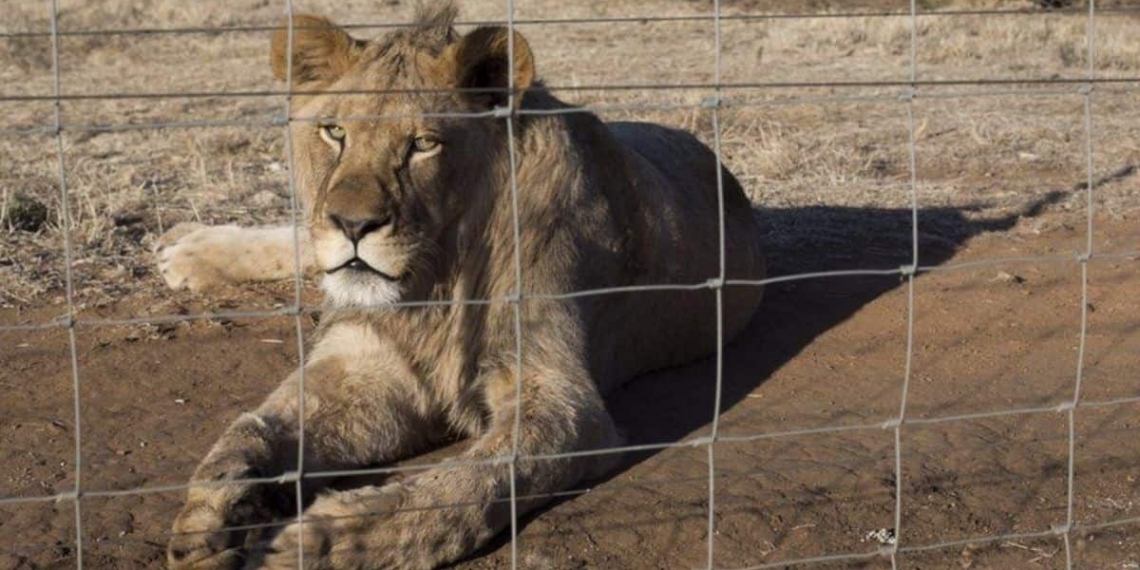
SA Hunters has welcomed the report which, among others, ends captive lion breeding.
Creecy, the minister of forestry, fisheries and environment, said her department is now urgently initiating a policy and legislative review with a view on putting an end to this practice.
“Given that there were a number of other burning issues related to other iconic species such as rhino (escalating poaching, rhino horn trade), elephant (ivory trade), and leopard, the department decided to include these in the terms of reference… to get a holistic view of the pertinent issues,” said Creecy.
Environmental rights
According to Nel this is the ideal time to formalise a national biodiversity policy.
“The absence of a policy that provides guidance on how we, as a country, should conserve and responsibly utilise wildlife for the benefit of current and future generations, has resulted in very different views on what is acceptable for the country.
“The report recommended that such a policy is a priority to unite the people of South Africa in giving effect to our Constitutional, environmental right.”

Nel also said the report, that sent shock waves through many areas of Mzansi’s wildlife industry, removes “unnecessary hindrances” that prevent the wildlife sector from growing.
She said, “The current legislative nightmare of having nine provinces, a national department of forestry, fisheries and environment and department of agriculture, land reform and rural development, that all have some mandate dealing with wildlife conservation and utilisation, was also highlighted in the report. Specific recommendations were made for reform from a legislative and implementation practice perspective.
“Rationalising legislation and removing unnecessary impediments for growing the wildlife economy is much needed. The legislative framework is not enabling for the growth of the wildlife sector currently and the conflicting legislation, policy and mandates between environment and agriculture also needs to be addressed.”
Protective areas
Besides calling for the end of lion farming, captive lion hunting, cub-petting and the commercial farming of rhinos, SA Hunters noted the recommendation for protective areas to support conservation.
“Protected areas play a major role in conservation of wildlife in South Africa, but they are underfunded and resourced. In addition, their value in growing rural economies is also not sufficiently recognised.
“The high-level report recommended rationalised and improved contribution of protected areas to support conservation and sustainable use of the five species, and to aid in serving as drivers of regional rural economies.”
Furthermore, the report also made specific recommendations to transform and create a more inclusive wildlife sector.
“Specific attention was, for example, given to the role of traditional authorities and communities in managing wildlife resources in their areas. This is much-needed for the future of the wildlife sector that is dependent on opportunities for all the people of South Africa to be equitably engage,” said Nel.
The report recommended that specific attention be given to incentivise private and communal wildlife custodians that contribute to the conservation of wild populations in their natural environments.
ALSO READ: Let’s go on a virtual safari through Kruger National Park