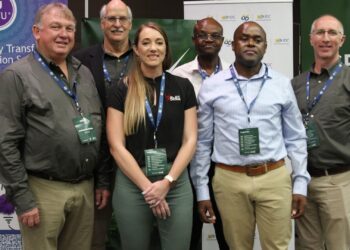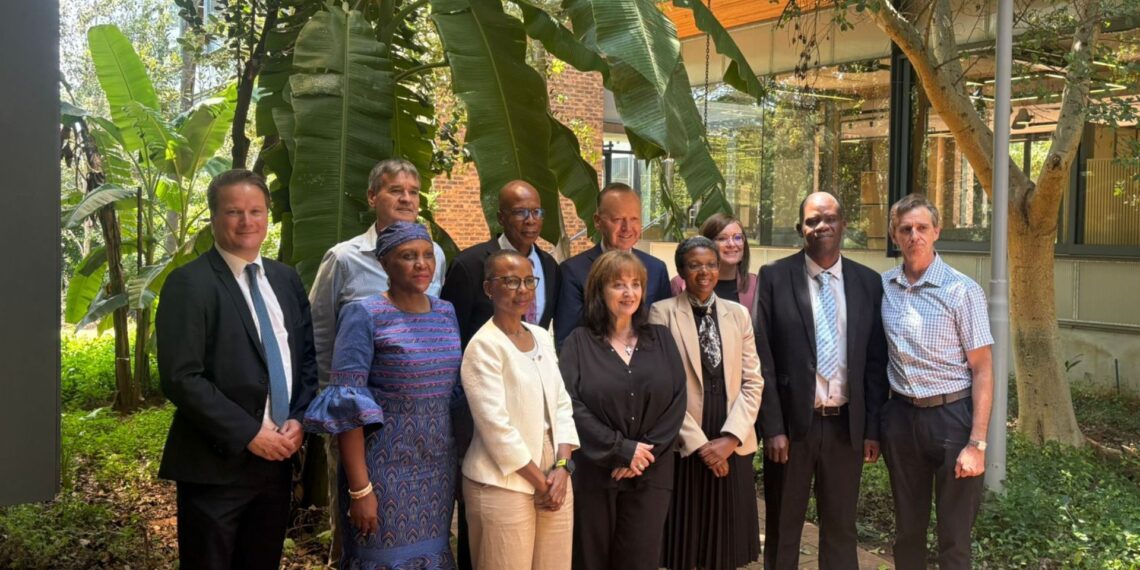
The South African Cereals and Oilseeds Trade Association (Sacota) participated in the Netherlands–South Africa department of agriculture e-certification closing ceremony recently.
This event recognised the milestone of digitising import and export certification in South Africa, as well as recognising the government of the Netherlands for its input towards making this achievement possible.
The ceremony was attended by a high-profile delegation from both South Africa and the Netherlands. South Africa was represented by the director-general for agriculture, Mooketsa Ramasodi, and the deputy director-general for economic development of trade and marketing, Kwena Komape. The Netherlands delegation was led by the vice minister of agriculture, Roald Lapperre.
Strengthening trade relations
“The e-certification initiative began in 2016 as a collaborative effort between South Africa’s department of agriculture and the Netherlands Food and Consumer Product Safety Authority, aimed at modernising the certification process for imports and exports.
“Over the years, the project has streamlined trade, reduced administrative burdens and strengthened trust between trading partners, setting the stage for even greater growth in the grain sector and paving the way for other African countries,” Sacota said.
Related stories
- Tariff delays cost wheat importers millions, warns Sacota
- Rising demand and drought spur SA maize imports
- Grape growers adapt vineyards to thrive in a hotter climate
- Rabbit Meat Regulations: What farmers need to know
Executive director of Sacota, Dr André van der Vyver, among other key industry representatives, was invited to provide feedback on the success of the e-certification project and its implications for the grain industry.
“He highlighted the substantial efficiency gains achieved through the system, which has reduced the turnaround time for phytosanitary certificates from 3–5 days under the manual process to just six hours.
“This process allows for certificates to be issued on the same day. In addition, the system has minimised human errors in the submission and approval of certificates, ensuring greater accuracy and reliability,” Sacota said.
Meanwhile, Van der Vyver elaborated on the scale of the impact, noting that, for example, 1.25 million tons of maize and 123 000 tons of soybeans were exported to neighbouring countries in the previous season. Since an e-phytosanitary certificate is issued for every interlink road truck crossing the border, this amounts to more than 66 000 and 3 600 phytosanitary certificates, respectively.
“It is worth noting that this is only for maize and soybeans; other commodities and products would increase the number of phytosanitary certificates further.
“With promising crop forecasts and favourable export conditions for the coming season, the grain industry can expect significantly higher export volumes for the coming season, although the number of cross-border trucks may reduce,” Van der Vyver said.
READ NEXT: UFS secures R10m grant to fast-track local climate action