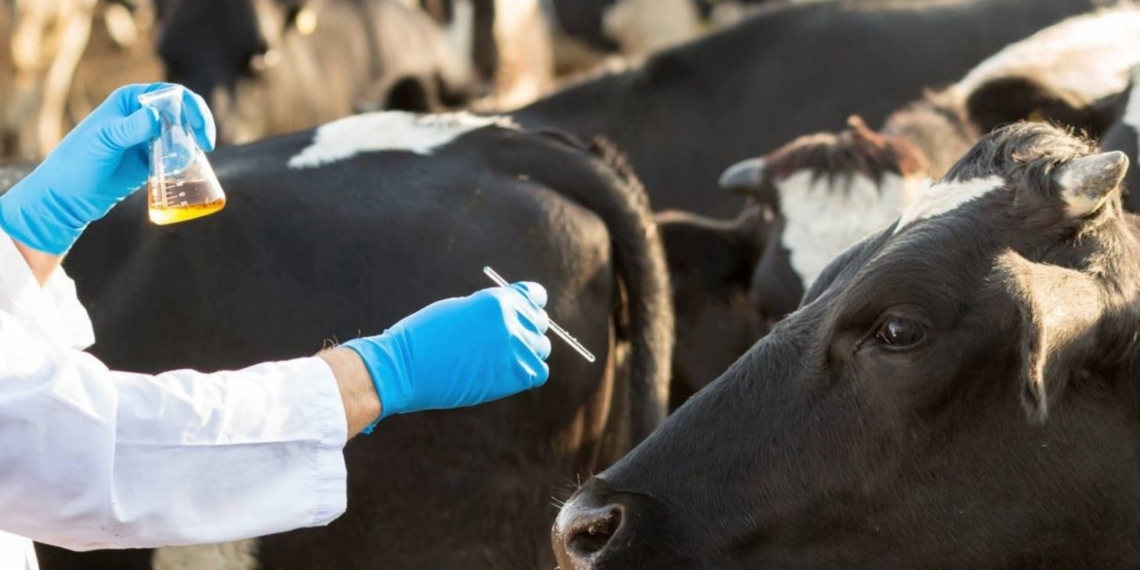
The South African Veterinary Council (SAVC) warns that despite placing veterinarians and veterinary nurses back on South Africa’s critical skills list, the country still faces a severe shortage of these essential professionals. This threatens food safety and security, among other aspects.
The president of SAVC, Nandipha Ndudane, said the country needs at least double the number of veterinarians and quadruple the number of veterinary nurses because those professionals ensure that farmers produce healthy, productive herds and flocks.
“If there are not enough veterinary professionals working to contain diseases, there is a very real risk of, for example, foot-and-mouth disease spreading. Such outbreaks will affect food production and meat exports to neighbouring countries. We are concerned that the trickle-down impact on our agriculture sector could, ultimately, lead to a loss of jobs and a lowering of the GDP,” she said.
SA vets leaving the country
According to Ndudane, about 150 veterinary surgeons and 30 veterinary nurses graduate from the University of Pretoria every year, the only institution in South Africa currently offering degrees in these disciplines.
However, SAVC records show that an average of 170 letters of good standing are being issued per year to local veterinarians and veterinary nurses who are considering leaving the country to practice abroad.
Related stories
- More para-vets open practices, drive change in animal healthcare
- Vets remain inaccessible to small-scale farmers
“While not all may end up relocating, the SAVC is concerned that South Africa will soon be shedding more veterinarians and veterinary nurses every year than it is producing.
“Compounding this issue is the fact that South Africa currently has only about 68 qualified veterinarians per million citizens, which is far below the international benchmark of 200 to 400 veterinarians per million.
“There is also a global shortage of qualified veterinarians, making South Africa’s well-trained and highly skilled veterinarians sought after and compounding the ‘brain drain’,” she said.
New veterinary faculty on the cards
Meanwhile, Ndudane noted that there are some rays of hope on the horizon because the University of Fort Hare, the University of the Free State, and the Sefako Makgatho Health Sciences University have all expressed interest in opening a veterinary faculty to boost the supply of qualified veterinarians. A new private training institution, the Bronberg Veterinary School, has also been proposed.
“The SAVC has long supported the establishment of a second veterinary training faculty for the country, to address the pressing need for more veterinarians.
“We have issued letters of support to all interested training institutions in this regard and have made the SAVC’s training standards available to all institutions that have expressed interest. Various institutions have applied to the department of higher education and training to offer a degree in veterinary science, and these submissions are currently under consideration by the relevant authorities,” she explained.
Ndudane said they are pleased that there was forward momentum in having more institutions offering veterinary faculty; however, even if a new faculty is introduced soon, it would be several years before new veterinary graduates are produced.
“We need to boost the number of veterinarians and veterinary nurses sooner, especially in the rural areas where there is the greatest need.”
Ndudane urged the government to make it easier and more attractive for skilled foreign veterinarians to come and work here and help create a more conducive environment for local veterinarians to conduct business in South Africa. This way, they are more likely to stay in the country.
“While para-veterinary professionals such as animal health technicians (AHTs) work extensively on commercial farms as literally ‘the boots on the ground’, they must alert a veterinarian if they detect a possible outbreak of a controlled or notifiable disease. However, the shortage of veterinarians, especially in rural areas, increases the risk of such diseases spreading,” she said.
READ NEXT: Mpumalanga farmers’ day: Level up with knowledge & grit!
Sign up for Mzansi Today: Your daily take on the news and happenings from the agriculture value chain.