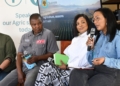
During the Ukudla Initiative panel discussions at the 11th German-African Agribusiness Forum in Berlin, Germany, minister of agriculture John Steenhuisen addressed the pressing challenges in building sustainable and resilient food systems in South Africa and across the broader Southern African region.
Due to adverse weather, the region is facing drought and several states of emergency, resulting in food insecurity. Proactive actions are in dire need to remedy the situation.
Need for funding, efficient logistics
“This is an important topic and during the last few days, we have been having discussions around the bio-economy, its importance, and its role in building sustainable food systems. We have to appreciate the South African universities and other stakeholders, which we believe the partnership will strengthen ties between research and training.
“From a regional setting, South Africa and Africa are faced with challenges of poverty, inequality and hunger so our meeting in Kampala was to look at how to deal with those challenges and obstacles thereof. Key to this is public-private partnerships which could come with better and efficient ways of managing agri-food systems,” he said.
Steenhuisen said there will be a need for funding to ensure that African farmers are farming in a more sustainable manner that produces food and cares for the land and soil.
Related stories
- Steenhuisen urges unity for Africa’s food security goals
- Food security is key to Mzansi’s stability, says Steenhuisen
“The other challenge that we have encountered is logistics, how do we move food and agricultural products around the region, continent and the world? It is cheap to move maize from Mexico to the Democratic Republic of Congo compared to moving maize from Zambia to South Africa, so we need to overcome infrastructure and transport challenges.
“We need to create corridors where the agricultural products are able to move not only within Africa but the entire globe easily, so we need port efficiencies on our continent,” he added.

Steenhuisen said the country will use the hosting of the G20 Summit to put the best foot forward and showcase to the world what the continent can do in agriculture.
Forging German-African agribusiness partnerships
He said more work needed to be done to ensure that the African continent can feed its people and it would require intensive collaborations and innovations to be implemented.
Meanwhile, the land reform and rural development minister, Mzwanele Nyhontsho, showcased South Africa’s commitment to transforming the agricultural sector through land reform, rural development, and sustainable farming practices at the event.
“This event presented an opportunity to strengthen Africa-Germany agribusiness partnerships, expand trade opportunities for African farmers and agribusinesses, and advance food security and agricultural resilience across the continent.
“With a strong focus on empowering rural communities and driving impactful land reform, South Africa is paving the way for a future where sustainability and economic growth go hand in hand,” he said.
READ NEXT: Livestock and Climate Solutions Hub launched at Cop29
Sign up for Mzansi Today: Your daily take on the news and happenings from the agriculture value chain.