Biosecurity is often associated with images of protective suits, masks and quarantine zones during major disease outbreaks. In reality, some of the most important biosecurity measures happen long before an outbreak makes the news and often in the most ordinary places.
From farms and veterinary practices to animal shelters, wildlife reserves, food production systems and family homes, everyday decisions can determine whether a disease is stopped at the source or allowed to spread.
In a statement, the South African Veterinary Council (SAVC) said at its core, biosecurity is about preventing diseases caused by living pathogenic organisms, including viruses, bacteria, fungi and parasites, from spreading between animals, people and the environment.
For veterinary and para-veterinary professionals, this makes education just as important as treatment.
Critical role of vets
According to Dr Pieter Vervoort, an urban mixed-practice veterinarian at SAVC, “The buy-in to biosecurity is often the first hurdle to be crossed. Educating everyone involved is imperative to success.”
He further explained how veterinary experts help to identify harmful diseases that may attack a certain animal population.
“The weaker biosecurity system practice affects the agricultural sector, including wildlife and animal populations. And the harmful risk of these animal diseases can cause an outbreak which can also affect and infect human beings in that particular environment,” he said.
Biosecurity is already part of daily life, even when people do not recognise it as such.
According to SAVC, farmers disinfecting equipment before moving between camps is reducing the risk of carrying pathogens from one group of animals to another.
Vervoort explained that identifying the specific pathogens posing the greatest risk to a particular herd, flock, facility or animal population allows biosecurity measures to be tailored to the situation.
Related stories
- SA desperately needs more vets – Here’s why
- More para-vets open practices, drive change in animal healthcare
- Animal technology graduates step up to secure SA’s biosecurity
- Why the world wants more South African beef
“Understanding how a pathogen spreads, its life cycle and the conditions in which it survives can help professionals determine where the greatest vulnerabilities lie,” he said.
According to SAVC, the strength of any biosecurity system depends on its weakest points.
“An infected animal introduced without appropriate health checks can expose an entire herd. Equipment moved between farms without proper disinfection can transport infectious organisms. Even contaminated soil carried unknowingly on a visitor’s footwear can introduce disease into an unaffected area,” SAVC explained.
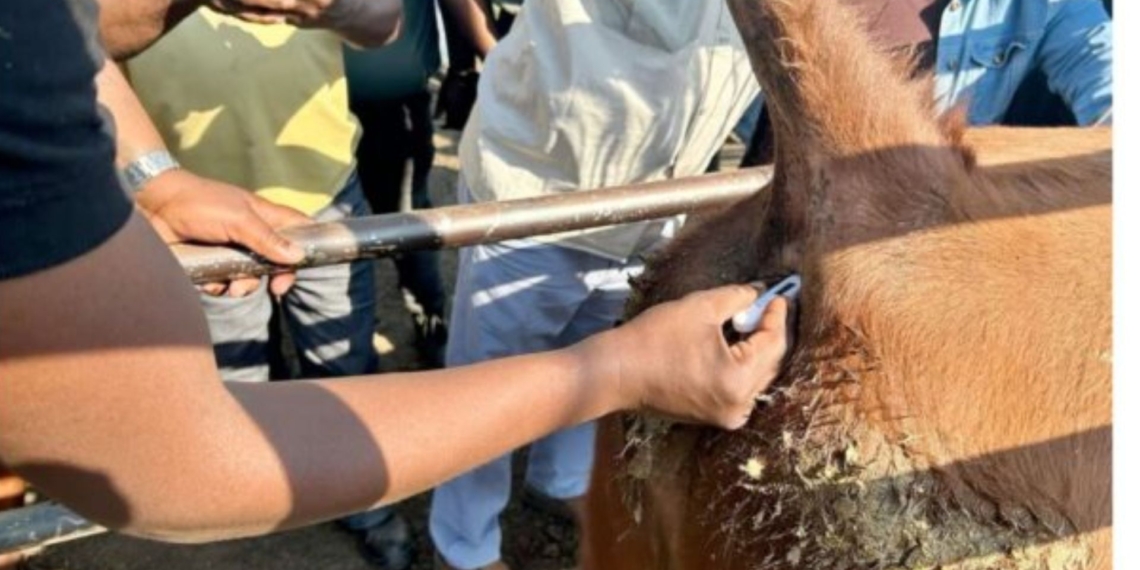
South Africa’s recent foot-and-mouth (FMD) disease outbreaks have demonstrated how disease can ripple far beyond individual animals, affecting farming operations, food production, trade and local economies.
“The impact can be devastating. Farmers may lose animals and livelihoods. Food production can be disrupted, potentially affecting food security and prices. Export-dependent industries can face trade restrictions and significant financial losses.
“Communities may also face movement restrictions, increased surveillance and costly disease-control measures. These consequences highlight a crucial point: biosecurity is not simply about complying with regulations. It is about understanding why those regulations exist and recognising the role each person plays in preventing disease from spreading,” SAVC further said.
Education is a powerful tool in disease prevention
The council said fences, disinfectants, quarantine facilities and legislation are important components of biosecurity. But none of them can replace an informed person making the right decision at the right time.
“One of the biggest challenges in implementing effective biosecurity is gaining the commitment of everyone involved.
“People may be expected to understand disease risks and prevention measures, but assumptions can create dangerous gaps. If farmers, animal owners, workers and other stakeholders do not share the same understanding of the risks and objectives, even a comprehensive biosecurity plan can fail,” SAVC said.
READ NEXT: Floods, global conflict force lower SA citrus export estimates