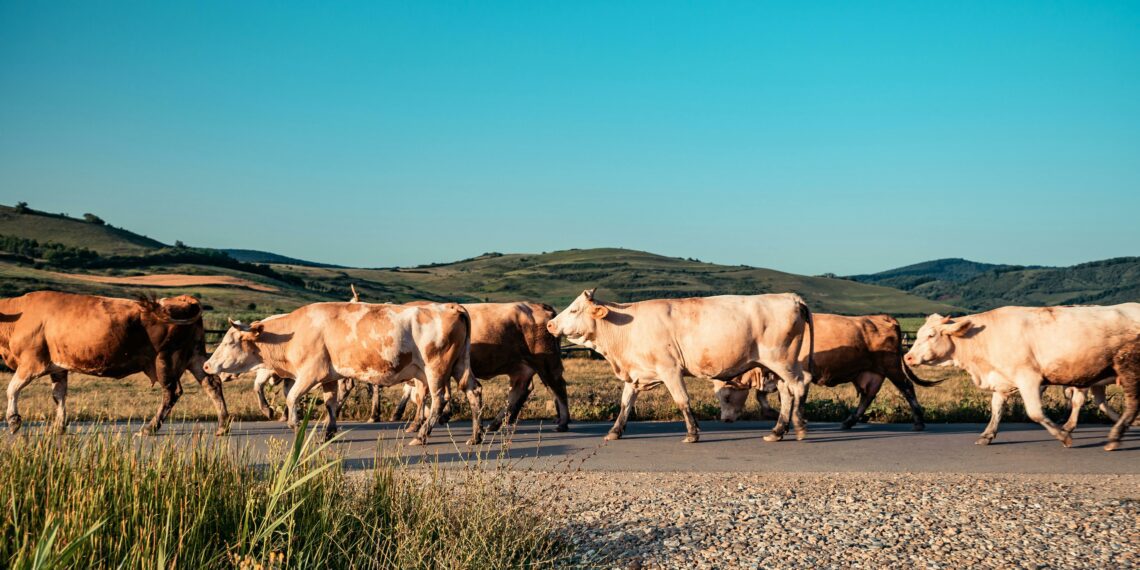
Selecting the right heifers is paramount for any beef producer aiming for genetic improvement and sustained profitability in their herd. Ernest Makua, a beef industry expert from the Red Meat Institute for Transformation and Enterprise Development (RMITED), shares invaluable insights into the critical factors to consider when selecting beef heifers.
According to Makua, it is important to choose heifers with desirable physical characteristics to ensure long-term productivity and profitability for the farm. He states, “Selecting heifers with desirable physical characteristics can lead to genetic improvement in the herd.”
Traits such as growth rate, feed efficiency, carcass quality, and maternal abilities are pivotal for the success of the breeding programme.
Understanding key characteristics
Makua underscores the significance of evaluating physical traits when selecting heifers for breeding.
He advises, “The key physical characteristics of a beef heifer are the structural soundness, body condition, reproductive tract development, and muscling.”
Frame size and conformation play crucial roles in beef heifer selection, influencing productivity and calving ease. He advises farmers to match frame size with the desired cow size to prevent complications during calving and ensure optimal efficiency and productivity of the herd.
“Some frame sizes may lead to having a lot of dystocia [heifers are still growing and their pelvic canal has not reached its mature size] on your farm,” he explains.
Temperament and reproductivity
Temperament is another vital aspect to consider, as it impacts safety, animal welfare, and reproductive success. Heifers with a good temperament are essential for efficient breeding, artificial insemination success, and overall herd management.
Makua says, “Cattle or heifers with a poor temperament are very difficult, and you don’t want such characteristics in your heifers. So you must always go for or select heifers that have a good temperament.”
The significance of selecting heifers boils down to two main reasons: future breeding stock and herd improvement.
- Future breeding stock: These heifers will eventually become the mothers of your calves, so it’s important to pick ones with the qualities you want to see in future generations.
- Herd improvement: Choosing heifers is a chance to improve your herd genetics over time. Makua emphasises, “Healthy heifers with strong immune systems and good disease resistance are more likely to thrive.”
Nutritional history and environmental adaptation
Assessing a heifer’s nutritional history aids in ensuring proper growth, development, and overall health while considering environmental adaptation factors such as heat tolerance, cold hardiness, and forage suitability is essential for selecting heifers suited to specific operation conditions.
Makua advises, “Select heifers adapted to the specific environmental conditions of the operation.”
Monitoring reproductive performance metrics like age at puberty, conception rate, calving ease, and postpartum interval is crucial for selecting heifers with optimal fertility and calving ability.
Understanding expected progeny differences (EPDs) provides valuable genetic information for informed selection decisions. “EPDs provide valuable genetic information for traits like growth, carcass characteristics, and maternal traits,” says Makua.
Related stories
- How to choose prime beef heifers for farm success
- Beefmaster breeding tour showcases how to beef up herd genetics
- Beefing up biosecurity measures offers hope for diseases in agri
The role of record-keeping
Detailed record-keeping for heifers is crucial for informed decision-making throughout their lives and contributes to the overall success of your herd by:
- Improved herd management;
- Optimised breeding strategies;
- Informed culling decisions;
- Better health management; and
- Increased profitability.
Makua states, “Detailed record-keeping allows for checking performance, monitoring trends, and making data-driven decisions.”
Aligning selection criteria with farm objectives ensures consistent progress towards breeding excellence and economic success. “Prioritise traits that align with both immediate production needs and long-term breeding goals,” he recommends.
Poor beef heifer selection can lead to reduced productivity, increased veterinary costs, lower calf performance, and decreased profitability over time. Understanding the economic implications underscores the importance of strategic breeding decisions for long-term success.
Makua’s insights underscore the intricate science behind beef heifer selection and its profound impact on herd productivity, profitability, and sustainability. By prioritising key traits, leveraging genetic information, and implementing effective management practices, farmers can optimise breeding programmes and thrive in the competitive beef industry.
According to a research paper by the department of agriculture released in 2014, establishing objectives for heifer selection is important. The paper discusses some additional characteristics used in cattle breeding selection, including tolerance for heat, features of fat accumulation, the muscular area of the eyes, and structural integrity.
ALSO READ: Podcast: Growing greener and sustainable with organic fertilisers
Sign up for Farmer’s Inside Track: Join our exclusive platform for new entrants into farming and agri-business, with newsletters and podcasts.