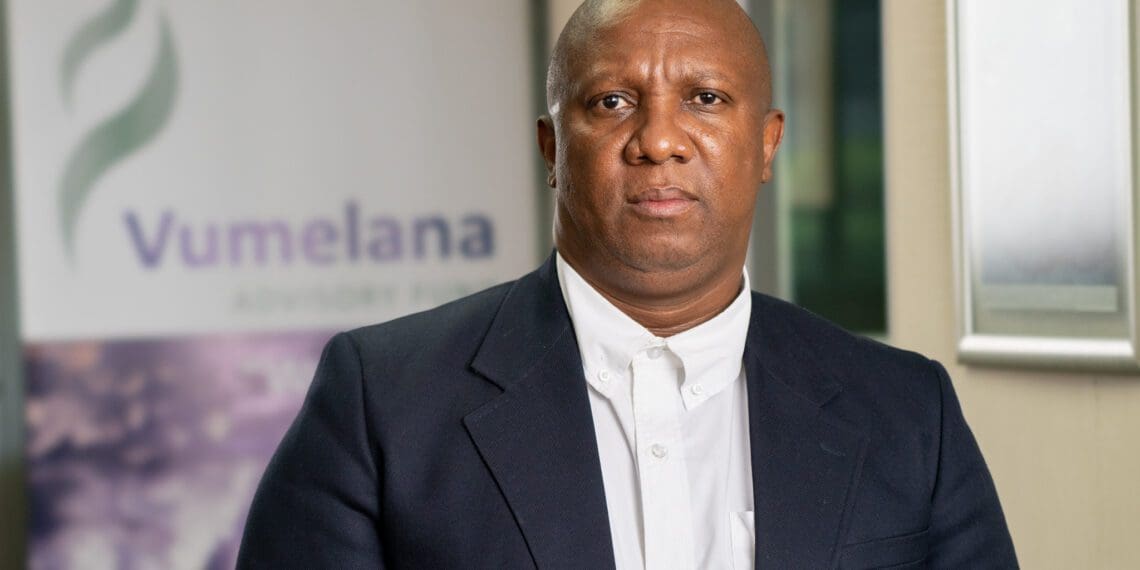
Vumelana Advisory Fund CEO Peter Setou has become the latest voice to advocate for the idea that instead of introducing new policies, the government of national unity’s focus should be on effectively implementing existing frameworks. He adds that the creation of a new, standalone ministry to oversee the implementation of land reform and to spearhead rural development may be just what is needed to accelerate land restitution and redistribution.
Setou says the new minister of rural development and land reform, Mzwanele Nyhontso, has the opportunity to address structural gaps and take stock of the lessons learned through previous endeavours.
“While the land reform programme has largely been a hit and miss initiative since its inception 30 years ago, there are some pockets of success that can be replicated and some important learnings that can be applied to re-write the narrative of the land reform programme.
“As an organisation that works closely with the beneficiary communities and landowners, we have identified capacity building as one of the important cornerstones that anchors a successful land reform programme. The creation of a dedicated department that will oversee land reform and rural development is a step in the right direction,” he said.
Setou highlights that the priority for land reform should be to realise the agenda for restitution, while at the same time maintaining productivity, attracting investment, creating employment, enabling communities to generate an income, and contributing to the broader social and economic challenges that South Africa continues to face.
Related stories
Partnerships key to success, says Setou
Setou notes that partnerships and joint commercial ventures between the land reform beneficiary communities and private investors remain a salient and common feature in the successful land reform projects that Vumelana has facilitated over the last 12 years.
“The private sector has the requisite resources, skills, and expertise needed to drive a successful land reform programme – resources that claimant communities do not have due to historical injustices,” he said.
Setou explains that through its community-private partnerships (CCPs), land reform beneficiary communities and the private sector enter into mutually beneficial partnerships that enable beneficiaries to generate income from their restituted land, acquire skills, create jobs, and better understand the markets.
“We wish to congratulate both minister Nyhontsho and [agriculture] minister [John] Steenhuisen on their appointments and hope this will infuse much-needed vigour into the land reform programme and agriculture, and will receive the requisite support to ensure the realisation of this important political and socio-economic imperative.
“Our view [at Vumelana Advisory Fund] is that the two ministries do not need to reinvent the wheel but need to focus on expediting the restitution process, successfully implementing policies and plans already in place, and driving the productive use of land to ensure that restituted land benefits the people, creates jobs, enriches lives, and becomes a driving force for social and economic development,” he said.
READ: Budget for a better climate response in agriculture, urge experts
Sign up for Mzansi Today: Your daily take on the news and happenings from the agriculture value chain.