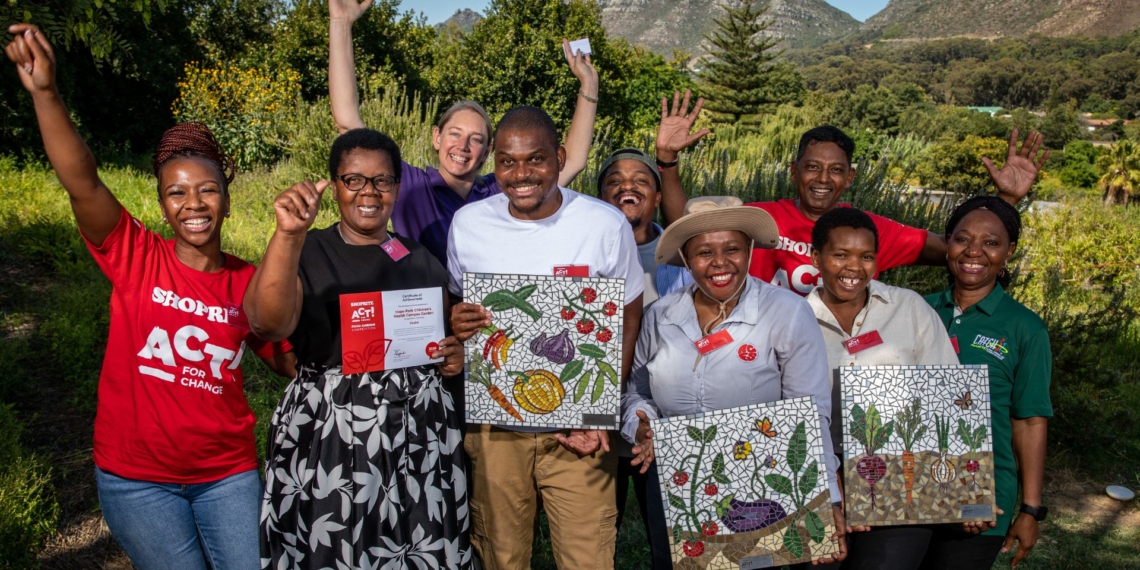
When farmers go through hard times, we cry with them, and when they shine, we celebrate with them. This past week, Shoprite Holdings hosted an award-winning event at Meuse Farm in Hout Bay, Cape Town, to celebrate its Act For Change initiative and give small-scale growers the recognition they deserve.
The Food Garden Competition, part of this initiative, drew nearly 600 entries from across South Africa, highlighting grassroots agricultural activity in rural villages, townships and school communities.
After careful judging, six gardens were selected for their consistent production, strong management and measurable community impact.
Farmers reap rewards
The chief sustainability officer with Shoprite Holdings, Sanjeev Raghubir, said over the past decade, Shoprite has invested in 300 community gardens as part of its commitment to tackling food insecurity and promoting sustainable livelihoods in the communities in which it operates.
Six winners of the Shoprite Act For Change Food Garden Competition received prizes with a total value of nearly R1 million, along with tailored support to help their gardens grow and strengthen their impact.
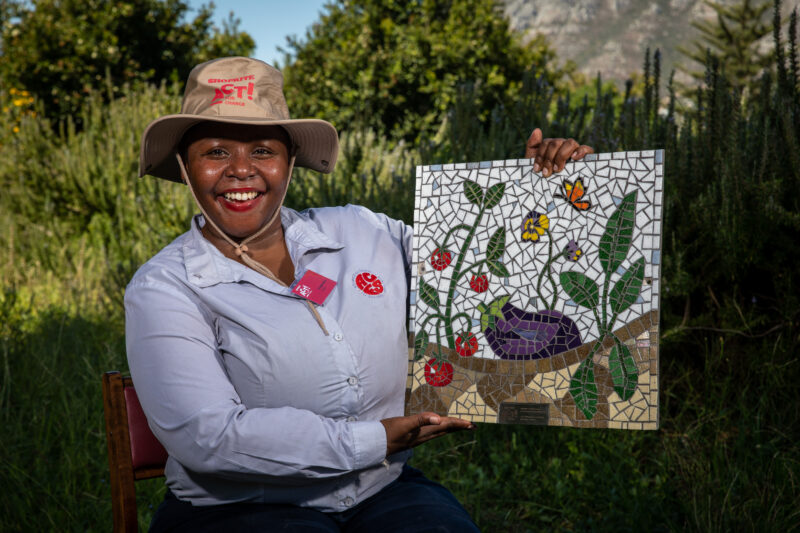
First place went to ACFS Khunadi Food Garden in Mogoto Village, Limpopo, which received R225 000. Ngxanga School Garden in Libode, Eastern Cape, won R200 000 for second place. P Agricultural Group in Soweto, Gauteng, took third place and R170 000, while Hope Park Children’s Health Campus Garden in Krugersdorp, Gauteng, came fourth with R150 000.
Fifth place was awarded to the Food Security Project in Gonubie, Eastern Cape, receiving R130 000, and sixth place went to Plenty Green Africa in Tsakane, Gauteng, with R120 000.
“These resources are intended to help the gardens take their projects to the next level and make an even greater impact in their communities,” said Raghubir.
He added that through the Act for Change Food Garden Project, they are reinforcing their long-term commitment to sustainable interventions that help communities thrive, and they look forward to continuing to support more gardens in future competitions.
Related stories
- Shoprite launches R1-million food garden competition
- Eldorado Fresh grows innovation after storms destroy fields
- Food Waste Action Week targets SA’s mounting crisis
- Strong harvests drive continued demand for farm machinery
Food gardens that inspire change
Speaking for third-place winners P Agricultural Group, Phetole Raseropo said being among the winners is a huge recognition for their food garden.
“Our big plan is to be the best. Now that we have resources, efficiency will be our focus, and this will help us attract more young people to the work we are doing.”
Phetole Raseropo
He added that P Agricultural Group is more than just a food garden.
“We bring change, innovation and a better approach to how we teach young people skills and markets. This journey is educating them and showing them that they are heading in the right direction.”

For second-place winners, Ngxanga School Garden, Neziswa Mlenzana told Food For Mzansi that the recognition felt like a dream come true.
“Out of 600 entries, finishing in second place is something out of this world. It can only be by God’s grace.”
She explained that the food garden is located in Misty Mountain Village at Ngxanga School and was started in 2022 by a group of young people.
“We chose the school garden to inspire learners to develop a love for farming and improve their nutrition.”
Neziswa Mlenzana
Mlenzana said the award will help them secure resources such as fencing, shade netting to expand their seedling nursery and an irrigation system.
Smangele Sigasa, of the overall winners ACFS Khunadi Food Garden, said programmes like Act For Change encourage small-scale farmers to work harder and take pride in their work.
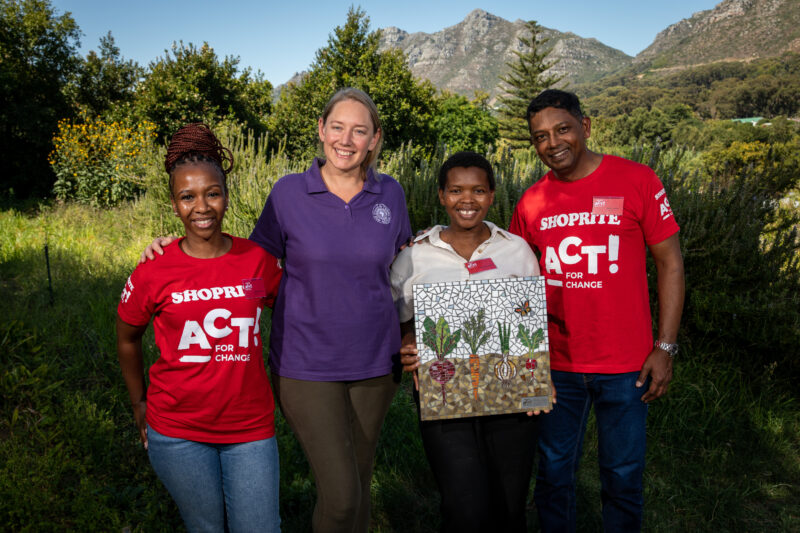
“Being the first winners reflects the work young people are doing at ACFS. Many of them have been recruited through youth empowerment programmes where they are taught food production through an accredited training programme,” Sigasa said.
She noted that they work with many children from disadvantaged backgrounds where food insecurity and malnutrition remain serious challenges.
“We classify our garden as a food security hub, creating sustainable livelihoods led by youth, with a strong focus on women.”
Smangele Sigasa
Sigasa added that in many poor communities, most households are led by women, and their programme aims to address unemployment by creating opportunities for young people.
READ NEXT: Faster farm technology rollout could boost SA farmer profits