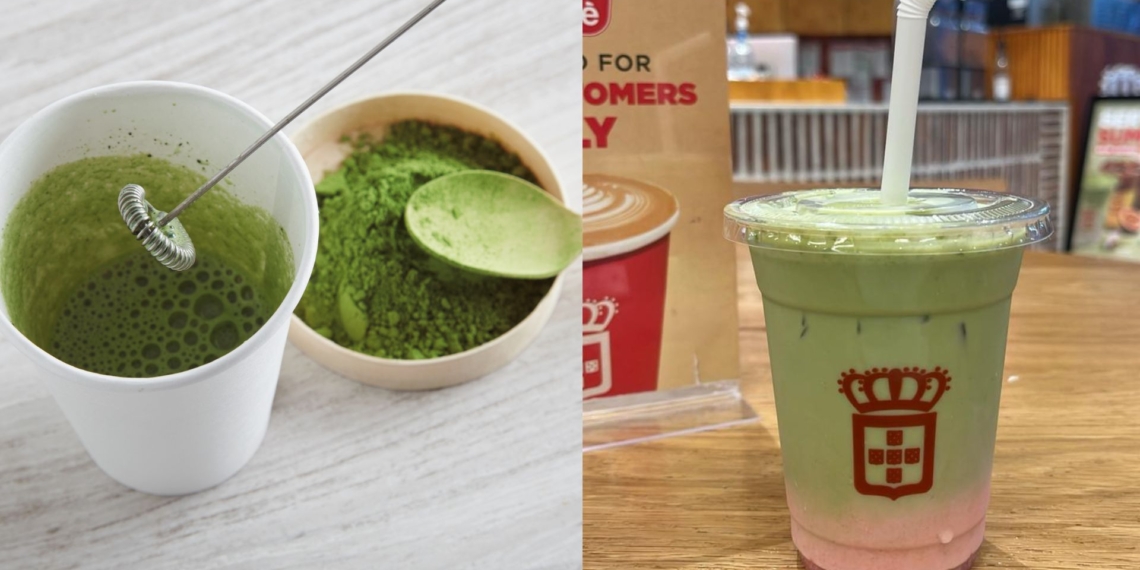
Matcha has been steadily taking over Mzansi since last year. Green cups are popping up everywhere, from gym-goers carefully stirring the fine powder into creamy milk before a morning workout to students clutching their mugs between classes.
Over time, this green tea has woven itself into daily routines, becoming a small ritual that people fit into hectic mornings or casual meet-ups with friends.
Matcha for every mood
No tea break without matcha makes sense for Ayola Tengile from Strand, Cape Town. She says as a gym enthusiast, she sometimes craves something light and herbal with just a touch of sweetness, and matcha is all that.
“I tried matcha last year. Since I like most green herbs and vegetables, I thought it might suit me,” she explains.
“It did not disappoint. It has a green, earthy taste with a hint of herbal notes and even a touch of strawberry flavour. After a long, tough workout, it gives me a real boost.”
Ayola Tengile
Tengile recommends the strawberry-flavoured matcha for anyone wanting to try it for the first time.
Meanwhile, Nonceba Ndyalvan from Goodwood, Cape Town, says her first encounter with matcha was last year while working as a barista in Blouberg. “I got curious because everyone was talking about it. It was on the menu where I worked, so I decided to try it,” she says.
“The green one has a herbal edge which makes it refreshing, especially in the mornings. It is a taste that can suit different occasions.”
However, Ndyalvan says it did not inspire her to keep drinking it regularly. “No matter how hard I tried, it gave me a green juice vibe, not the kind of tea I usually enjoy. I prefer mild herbal teas like rooibos or chamomile, something soothing. Matcha gave strong green sensations, similar to diet smoothies.”

Related stories
- Rooibos: The heart-healthy tea that’s backed by science
- Recipes: Fresh herbs and fruit bring homemade iced tea to life
- Still locked out: The bitter aftertaste of SA’s honeybush tea industry
So, what is the fuss all about?
Registered dietitian and founder of Dietitians24 from Polokwane, Kulani Mtileni, explains that matcha is a tea made from tea plants (Camellia sinensis) that are shaded for weeks before harvest, boosting chlorophyll and amino acid production for its signature bright green colour.
He notes that the leaves are stone-ground into a fine powder, preserving over 100 beneficial compounds. He adds that people enjoy matcha because it offers more benefits than some other teas.
Key benefits, Mtileni notes, include enhanced cognitive focus and reduced stress without jitters, a boosted metabolism for weight management, improved heart health, and strengthened immunity.
“Research has suggested that 338 mg of catechins and EGCG per day is safe for adults. This is about 4 grams of matcha, or roughly two level teaspoons.”

However, he adds that some scientists caution that very high catechin intake can affect the liver, although this is unlikely when green tea is consumed as food or drink.
“While its popularity in lattes and cafes is trendy, matcha itself is a centuries-old, nutrient-dense traditional Japanese tea,” he says.
Matcha is considered a functional food, though moderation is advised due to its high caffeine and catechin content. Some coffee shops offer flavoured varieties, including chocolate, banana, berries, citrus, or even herbal blends with mint, honey, and coconut.
For those who enjoy making teas at home, Mtileni recommends combining matcha with turmeric in a tea or latte, stirring it into milk-based drinks or foods such as lattes or rice pudding, or trying it in desserts like matcha ice cream or cookies.
READ NEXT: Former teacher plants knowledge, harvests success in Limpopo