Monday, October 26, 2026
SUBSCRIBE
22 GLOBAL MEDIA AWARDS
Food For Mzansi
  • News
  • Changemakers
  • Lifestyle
  • Farmer’s Inside Track
  • Food for Thought
No Result
View All Result
  • News
  • Changemakers
  • Lifestyle
  • Farmer’s Inside Track
  • Food for Thought
No Result
View All Result
Food For Mzansi
No Result
View All Result
in Farmer's Inside Track

STDs in cattle: How to better protect your herd

Sexually transmitted diseases in cattle silently impact South African farmers by causing embryo loss and lower calving rates. Dr Geoff Brown advocates for rigorous biosecurity measures and veterinary consultations to manage these infections

by Octavia Avesca Spandiel
22nd May 2024
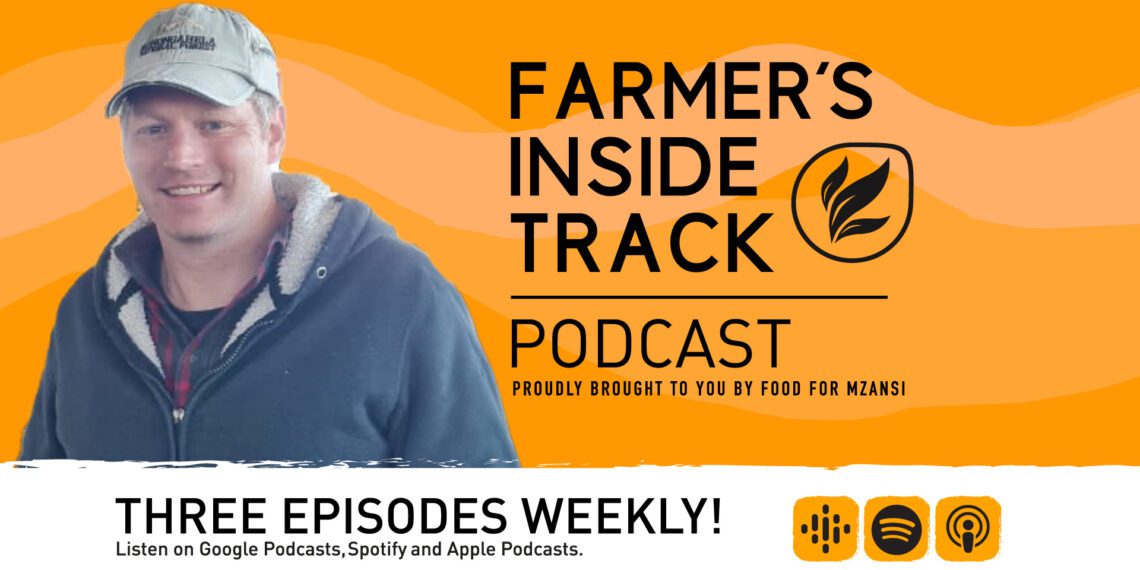
Dr Geoff Brown is a veterinary specialist in animal reproduction. Photo: Food For Mzansi

Dr Geoff Brown is a veterinary specialist in animal reproduction. Photo: Food For Mzansi

Share on FacebookShare on TwitterShare on WhatsApp

Cattle farmers in South Africa face a hidden enemy – sexually transmitted diseases in cattle (STDs). These venereal diseases can silently wreak havoc on herd productivity and result in significant economic losses. Unlike dramatic outbreaks, STDs often remain undetected, gradually reducing calving rates and delivering a substantial financial blow to farmers.

In this episode, Dr Geoff Brown, a veterinary specialist in animal reproduction, sheds light on the two main culprits behind these silent attacks. One is the Tritrichomonas foetus. Brown says, “If you look at it under a microscope, it moves with an awkward, twitching, jerky motion. I always joke that it looks a bit like a three-legged spider trying to climb out of a slippery bathtub.”

The other culprit is called Campylobacter foetus, which also poses a significant threat, leading to the same devastating consequences for pregnancies in cattle.

Consequences of STDs in cattle

While not fatal to the cattle themselves, both diseases cause early embryo death and abortions. The problem lies in the subtlety of these losses.

Brown explains, “This is not dramatic and often missed. Early pregnancy losses can go unnoticed with minimal discharge, leading to the first sign being a lower calving rate – a significant economic blow for farmers who rely on the sale of healthy calves.”

He further adds that diagnosing venereal diseases typically involves testing bulls, which are the primary carriers. A sample of cells are collected from the sheath cavity, housing the penis, which is then analysed in a laboratory using two methods.

In this episode, he also discusses:
  • Vaccination possibilities;
  • Threat to humans and more

Want to know more? Listen to the full episode of Farmer’s Inside Track. 

Option 1: Click here to listen on Spotify (all mobile and other devices).

Option 2: Click here to listen on any Apple device. 

Option 3: Click here to listen on Google Podcast.

ALSO READ: Sunlight and seawater: Try sea farming if it floats your boat

Sign up for Farmer’s Inside Track: Join our exclusive platform for new entrants into farming and agri-business, with newsletters and podcasts. 

Octavia Avesca Spandiel

Raised by a close-knitted family who loves her deeply, Octavia believes in the philosophy of ‘I am because you are'. This former news and content editor for radio is now living her best life in the agricultural sector as a commercial journalist at Food For Mzansi. Her soft spot for poetry and passion for life, writing and traveling inspires her to write compelling stories. Apart from being an excellent writer, Octavia has an educational background in youth work and loves working with people. 

Tags: Animal diseasescattle diseasecattle farmerCommercialising farmerPodcastTeach me
Agda pushes for pathways to commercialise emerging farmers
News

Agda pushes for pathways to commercialise emerging farmers

by Patricia Tembo
22nd October 2026

SA agriculture is projected to grow by 8 to 9% in 2026, but rising input costs, disease, and climate risks...

Read moreDetails
Karoo sheep tallow finds new purpose in Mzansi beauty brand

Karoo sheep tallow finds new purpose in Mzansi beauty brand

22nd October 2026

Why simple farm records beat complex systems

22nd October 2026
Mogogelo farmers receive packhouse and cold storage facilities

Mogogelo farmers receive packhouse and cold storage facilities

22nd October 2026
Godongwana unveils fuel relief and R10 billion El Niño buffer

Godongwana unveils fuel relief and R10 billion El Niño buffer

21st October 2026

By-laws vs. livelihoods: Barriers facing WC smallholder farmers

Limpopo teen farmer turns dream into growing poultry business

Mogogelo farmers receive packhouse and cold storage facilities

Agda conference: Why giving farmers land isn’t enough

Why simple farm records beat complex systems

Join Food For Mzansi's WhatsApp channel for the latest updates!

JOIN NOW!
Next Post
ICYMI: Free State’s new hub to boost hemp production

ICYMI: Free State’s new hub to boost hemp production

THE NEW FACE OF SOUTH AFRICAN AGRICULTURE

With 21 global awards in the first six years of its existence, Food For Mzansi is much more than an agriculture publication. It is a movement, unashamedly saluting the unsung heroes of South African agriculture. We believe in the power of agriculture to promote nation building and social cohesion by telling stories that are often overlooked by broader society.

This week’s agri events: 26 – 30 October

Shoprite opens second food garden competition with R1m in support

Costa Rica’s banana battle offers critical field lessons for SA

Africa’s indigenous crops and youth are the secret to ending hunger

Agda conference: Why giving farmers land isn’t enough

Limpopo teen farmer turns dream into growing poultry business

  • Awards & Global Impact
  • Our Story
  • Contact Us
  • Cookie Policy
  • Privacy Policy
  • Copyright

Contact us
Office: +27 21 879 1824
News: info@foodformzansi.co.za
Advertising: sales@foodformzansi.co.za

Contact us
Office: +27 21 879 1824
News: info@foodformzansi.co.za
Advertising: sales@foodformzansi.co.za

  • Awards & Global Impact
  • Our Story
  • Contact Us
  • Cookie Policy
  • Privacy Policy
  • Copyright

Chat Options

About this assistant

This feature generates automated answers summarised from Food For Mzansi articles. By using it, you are interacting with an AI system (provided by Google), not a human. AI can make mistakes. Please refer to the source articles for verification and citation purposes.

Our staff do not check or moderate Lerato’s answers in advance, but may review some later. Our journalists continue to write and edit all the articles Lerato uses as sources.

To estimate unique and returning web users, we store a random browser ID in this browser. WhatsApp users are counted by phone number. The same person using both channels may be counted twice.

I'm Lerato, your AI assistant!
No Result
View All Result
  • News
  • Changemakers
  • Lifestyle
  • Farmer’s Inside Track
  • Food for Thought

Copyright © 2026 Food for Mzansi