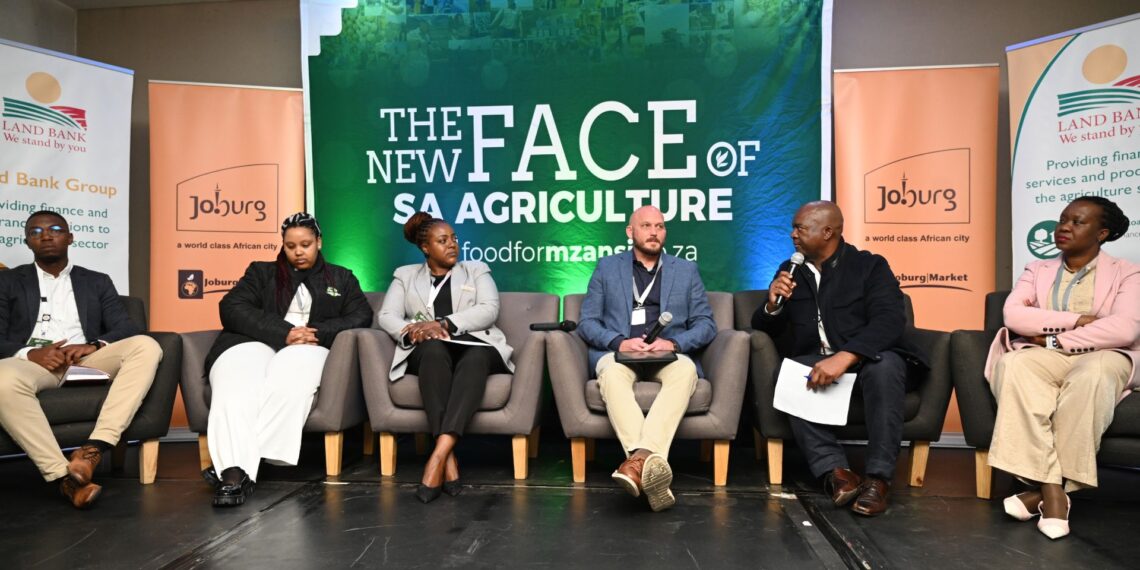
The “Commodities Under Pressure” panel at the 2025 Agricultural Transformation Lekgotla revealed that successful change in agriculture depends on collaboration and targeted interventions. Experts from the grain, red meat, potato, fruit, and pork industries highlighted tailored financing and mentorship in creating tangible change.
The panel discussion explored lessons from the field, persistent structural challenges, and the bold steps required to advance transformation.
Speaking on behalf of the red meat and grain sectors, CEO of the Red Meat Industry Services (RMIS), Dewald Olivier, emphasised the importance of bringing all stakeholders to the table.
The right approach
Olivier cautioned against a “shotgun approach” to transformation; instead, he advocated for targeted, regional interventions that concentrate resources on specific areas.
“The shotgun approach is doing more harm than good, compared to focusing on specific areas and directing all our efforts there,” he said.
He noted that concentrating resources on a small group of farmers can help them grow into commercial operations, enabling them to later serve as mentors for others.
Related stories
- Transformation Lekgotla: Call to fix ‘stubborn problems’ in farming
- Proposed Transformation Fund needs clarity to drive real change
- Youth-led farming sparks hope and transformation
- Closing the divide: Why transformation must start with farmers
“Africa is a livestock farming continent; 1.6 million households in South Africa own livestock. It’s a livelihood, but we can’t help everyone at once. We have to target our efforts for real impact,” Olivier said.
He pointed to the Land Development Support Programme as a model for creating success stories and using them as mentorship opportunities for other farmers.
Rendani Murovhi, transformation manager at Potatoes SA, highlighted the organisation’s enterprise development and mentorship programmes, which have facilitated over R160 million in projects through partnerships with AgriSETA, the department of rural development, and others.
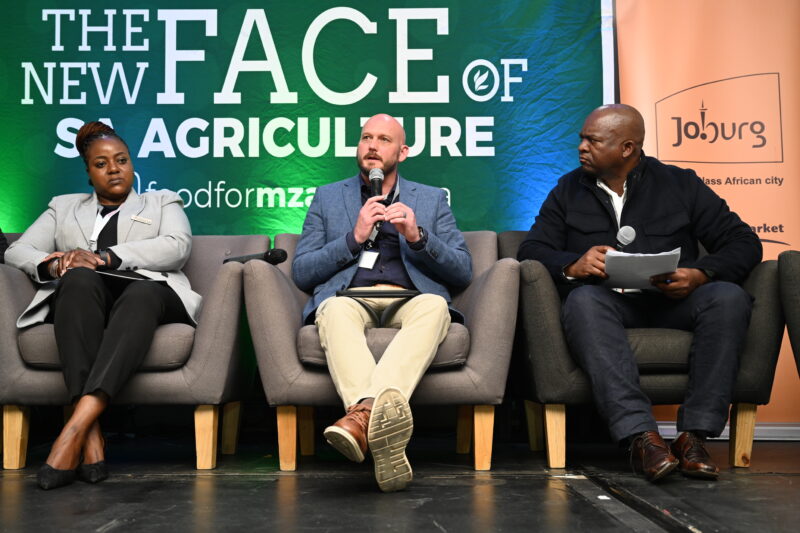
“One of the key challenges is the issue of access to markets and infrastructure that’s compatible with the compliance that’s required.”
Murovhi shared Potato SA’s commitment to increasing black farmers’ market share to 10% within the next five to ten years and revealed plans for South Africa’s biggest chips factory in Limpopo to boost rural development and employment.
Tailored financing for long-term crops
Meanwhile, Nomonde Ntloko, industry affairs manager at Fruit SA, described how fruit industry associations collaborated with the Western Cape department of agriculture to secure blended finance programmes for growers of long-term crops.
“Transformation is not just the duty of one person in one industry. It is a collaborative effort,” Ntloko said.
She explained that many of the crops falling under Fruit SA, such as deciduous fruit trees or vines, take six to ten years to yield a return on investment, and establishing them is highly capital-intensive.
Ntloko revealed that Fruit SA aims for 30% black grower participation by 2038, focusing on sustainability and generational wealth rather than quick numerical targets.
Mentorship and biosecurity
Kgadi Senyatsi, head of business development at Sappo, outlined a three-year mentorship programme, accounting support, veterinary services, and biosecurity assessments for small-scale farmers. She explained that targeted support for small-scale pork farmers is essential to drive growth and transformation in the sector.
“We have about 71 farmers on our mentorship programme, but only three participate in the accounting programme. We also monitor production records, and 55 farmers are supplying us with those records, which shows improvement,” Senyatsi said.
She noted low pork consumption in South Africa compared to other countries, emphasising the need for promotion and consumer education.
“Through our consumer education division, we promote pork consumption via recipe books, magazines, and in-store promotions,” Senyatsi said.
Biosecurity is another critical focus, as disease outbreaks can limit trade. According to Senyatsi, Sappo has introduced a biosecurity assessment that small-scale farmers can complete to demonstrate compliance with the minimum health standards required for market participation.
Senyatsi emphasised that these targeted programmes not only support small-scale farmers but also help position the pork sector for sustainable growth and increased participation in the broader agricultural economy.
Desry Lesele, senior manager: client value proposition agriculture at Nedbank, focused on partnerships as a tool for transformation.
“Partnerships require a shared vision. We do not need to wait for the government to form partnerships,” Lesele said.
READ NEXT: Family roots inspire Limpopo cousins’ rise in organic farming