After losing her job in the mining industry in December 2024, where she had worked for ten years, Maria Salani turned a setback into a fresh start. Inspired by her father, she found a new calling in organic farming.
While still employed, Salani had been helping her father, Joseph Mashudu, sell produce from his small-scale farm in Musina, Limpopo.
Her father, a retired chief immigration officer, had started farming to keep himself busy. Salani, however, saw a bigger opportunity. On her off days, she helped with the sales of fresh produce to local households and flea markets.
“We wouldn’t have taken farming this seriously if it weren’t for him. He planted the seed, literally and figuratively,” Salani shares.
The retrenchment prompted Salani to take action and make a change. “I figured, not all hope is lost. There’s still an opportunity to grow this farm or little plot that we have and make it something bigger.”
A new lease on life
With this new mindset, she joined forces with her cousin Keneilwe Bilankulu and another family member, Josamu Ndou, to found J. Markeen Ventures.
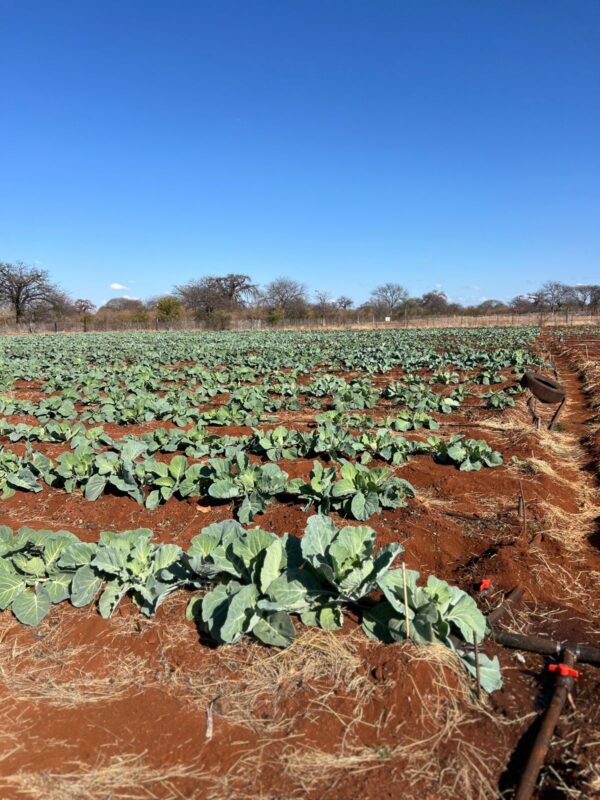
They took over a sublease on her father’s plot, expanding the cultivation area from one to four and a half hectares. To speed up their growth, they built a DIY greenhouse. “As soon as we get the seedlings, we just transplant now to the soil so that we cut down on time,” Salani explains.
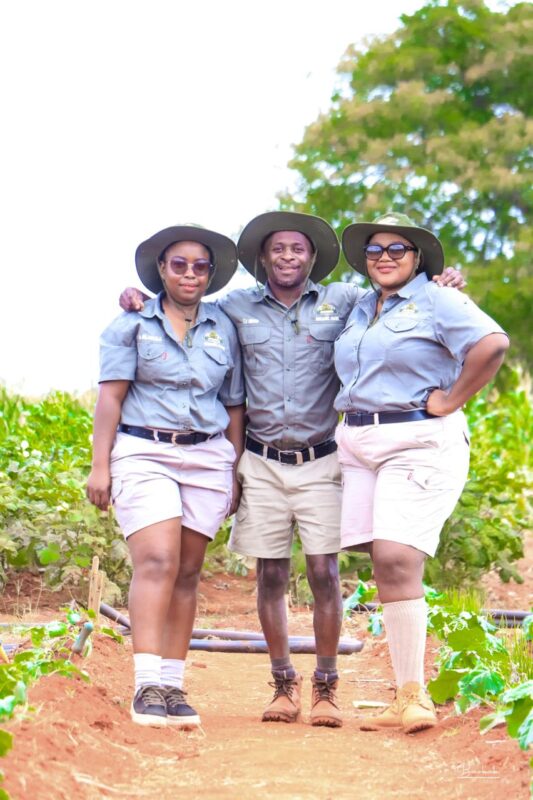
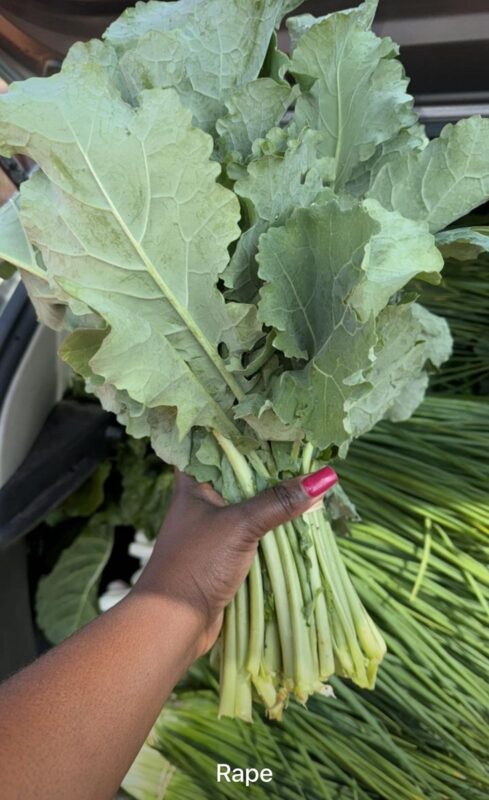
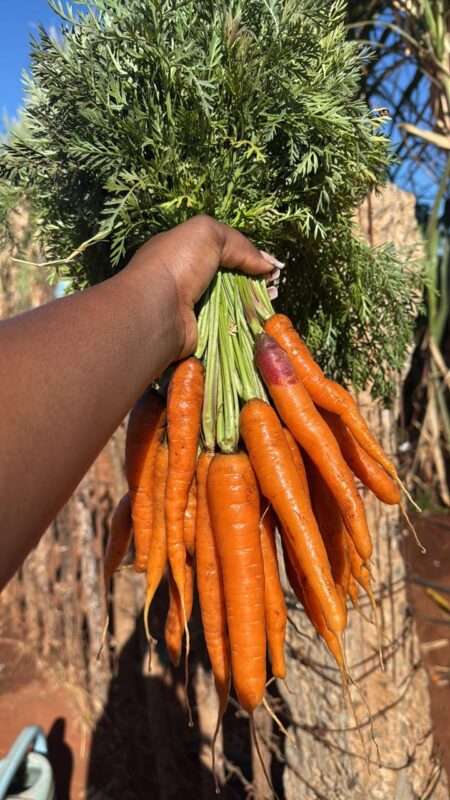
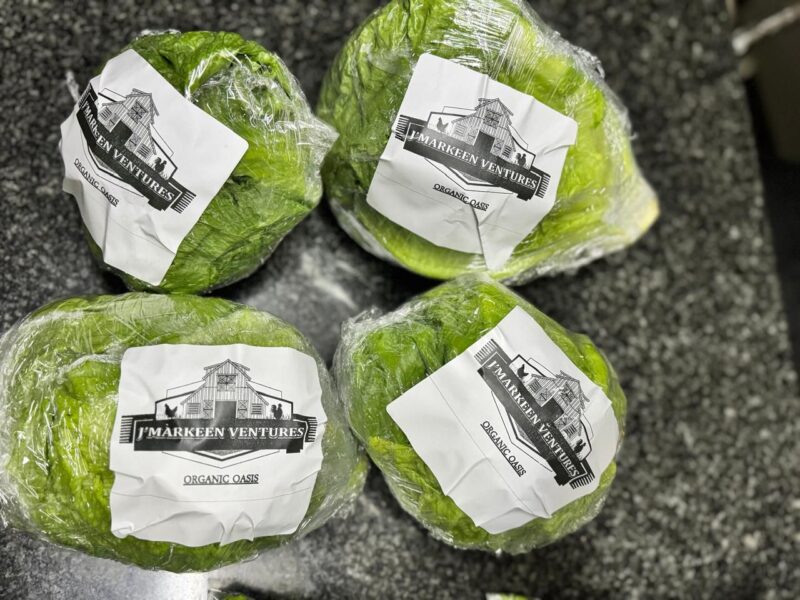
J. Markeen Ventures now operates on six hectares, growing a variety of vegetables like spinach, kale, cabbage, and butternut. Their selection is based on seasonal demand and what is in short supply at the local market.
“Whatever we know is a shortage, especially in our local area, we then consider that for our next cycle of planting,” Salani says.
In addition to their crops, the farm also includes livestock, with pigs, goats, sheep, and recently, poultry. “On the livestock side, we are still gradually growing,” she adds, noting their goal is to increase the numbers over time.
Related stories
- From backyard to 650 ha: Malete’s farm feeds more than families
- Sibongile’s plant passion: Healing crops and feeding Mzansi
- A new breed of farmer: Mmadipilo blends Brahmans and tourism
The power of family and shared vision
Salani and Bilankulu were introduced to farming from an early age through their family’s backyard gardening. Both women were retrenched from the mining sector, which solidified their partnership.
Their skills complement each other perfectly. On the business side, Bilankulu, with her financial background, manages finance and sales, while Salani handles project management and marketing. Operationally, Bilankulu focuses on livestock, and Salani takes charge of crop production.
The bond between them is strong. “Keneilwe is my aunt’s daughter, we grew up as friends and sisters,” Salani explains.
Decisions are made collaboratively, responsibilities are divided based on strengths, and their shared upbringing provides a strong foundation of trust.
Her father’s mentorship remains a guiding light. He continues to play an active role on the farm, sharing traditional knowledge, guiding planting decisions, and encouraging them to embrace new methods without losing touch with the basics.
“My dad doesn’t say much, but when it comes to farming, his actions speak volumes. He taught us that the land will reward you if you respect it,” Salani says.
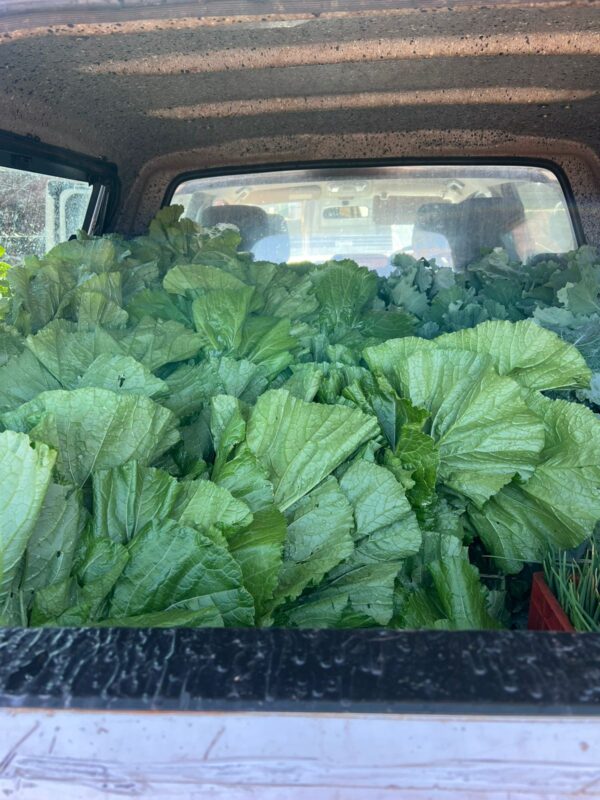
The business has grown significantly. They have a contract to supply 300 bundles of kale every Monday to a local vendor, alongside supplying the Musina Hotel and Baobab Grillhouse. Their success has led to job creation. The farm started with one employee and now has a team of eight: three directors and five employees.
READ NEXT: Former Soweto DJ finds rhythm in sustainable farming
A commitment to organic farming
The two women are proud of their organic approach. They avoid chemicals, ensuring their customers get produce that is “full of nutrients as it should be”. As Salani notes, “Our family is very health-oriented. We want to give people what we would also like to eat.”
While organic farming is more costly and slower, they believe in its long-term value. “The importance is that you ensure your clients are receiving good quality, original vegetation,” Salani says.
Challenges and future plans
Like many farmers, Salani and Bilankulu face obstacles, including a lack of formal agricultural training and business experience. Theft is a serious concern, prompting one of their partners to work the night shift as a security measure. They also face stiff competition from farmers who use chemicals to produce faster, more “appetising” crops.
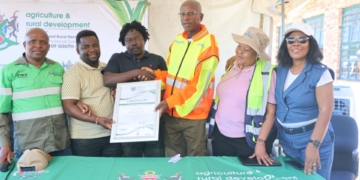
Despite these challenges, they have forged partnerships with the department of agriculture and are part of the Enterprise Supplier Development (ESD) mentorship programme, with funding applications in progress.
Their dream is to expand to a 21-hectare farm with a water license, which would allow them to scale up and employ more people. They also plan to open their own supermarket, offering fresh produce and healthy snacks.
Long-term, they hope to establish a training academy to teach young people about food security and agricultural techniques.
Reflections on women in agriculture
Salani believes her mining background taught her that nothing is impossible. “If men can mine, women can. If men can farm, so can we.” As a mother, she is driven to provide nutritious food for the next generation.
Bilankulu’s advice to other women is simple: “If you feel the desire to build something, do it. Take the first step. Trust me, once you do, you’re hooked.” She loves waking up to the farm and couldn’t imagine another job.
For these women, farming is about more than just produce. They are committed to a broader purpose, and that is to feed their community.
“We are in an era of slay queens with long nails, but we’re the women with short, brown nails, making sure there is food,” Salani says.
READ NEXT: Extension officers: Farmers’ lifeline, but they need support too