Aquaculture in South Africa is a developing sector with promising growth potential, however, the industry faces significant hurdles. Success in this field requires substantial capital investment in infrastructure to create optimal conditions for fish growth, particularly temperature control.
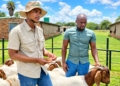
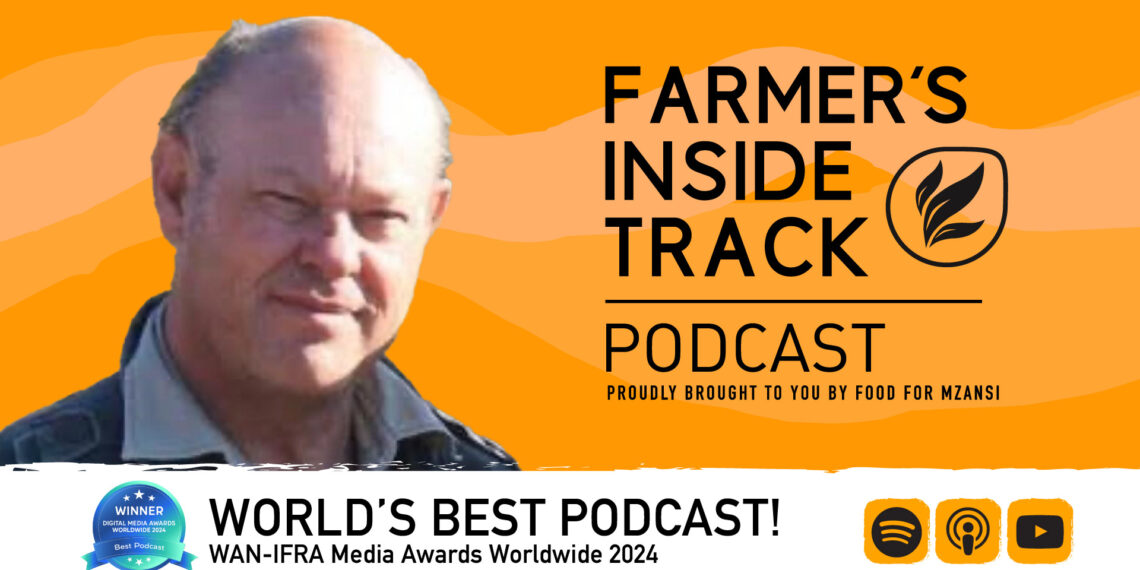
In this episode, David Fincham of David Fincham Aquaculture, provides valuable insights into the nuances of tilapia farming.
Fincham highlights that despite the obstacles, small-scale pond farmers play a crucial role in food security, feeding local communities and contributing to the economy. With strategic planning and the right resources, South Africa’s aquaculture industry holds the potential to thrive, significantly bolstering food production in the country.
“There’s nothing wrong with having subsistence farmers; subsistence farmers still feed the majority of our communities and our populations. They play a vital role in food production and food security,” Fincham says.
Related stories
- How to start fish farming in just 10 easy steps
- Young farmer turns passion for fish into thriving business
Managing water quality and biosecurity
To achieve optimal fish farming, farmers must carefully manage the physical environment by considering key factors such as species selection, feed quality, and water quality.
“One of the beauties about farming fish is that if you have a water quality problem, depending on the design of your system, you can pump out half of the water and fill that with clean, fresh water. And then you reduce the water quality problem by half. So it’s a very practical way of maintaining your water quality if there is an issue,” Fincham says.
He explains that biosecurity is paramount to preventing disease, especially as the South African tilapia industry is very young.
“We are fortunate that we don’t have to administer vaccines or antibiotics to our fish. Our primary method of controlling diseases is through biosecurity. Your farm must be biosecure. If you’re bringing fish onto the farm, they must be healthy fish. You never bring fish you haven’t inspected,” he cautions.
In this episode, Fincham also discusses:
- Production systems;
- Mistakes to avoid; and
- Sustainable fish farming.
Dive deeper into the episode and gain insights from the award-winning Farmer’s Inside Track, officially recognised as Africa and the world’s best podcast at the 2024 Digital Media Awards presented by WAN-IFRA, the global press organisation.
Option 1: Click here to listen on Spotify (all mobile and other devices)
Option 2: Click here to listen on any Apple device
READ Next: Aquaculture Development Bill criticised for its blind spots
Sign up for Farmer’s Inside Track: Join our exclusive platform for new entrants into farming and agri-business, with newsletters and podcasts.