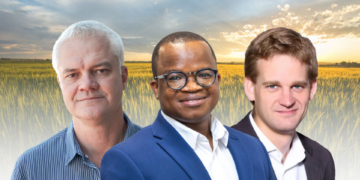
South Africa’s fruit industry envisions a fully transformed fruit industry by 2038 where black people are participants across the entire fruit industry value chain on an equitable basis. This is according to Fruit SA CEO, Fhumulani Ratshitanga.
During a recent visit to Batlhako Temo Farm in Brits, North-West, industry stakeholders saw first-hand the progress on its transformation initiatives led by the body representing fruit farmers in the country.
According to Ratshitanga, the aim of the visit was to show relevant stakeholders the work of the fruit industry with regard to transformation. Fruit SA was also able to highlight the importance of working together with the government to ensure that targets are achieved.
‘We have a mandate to fill’
“We do not believe that transformation is mere wishful fulfilment. Fruit SA is dealing with real people and real lives, and as economic role players, we have a mandate to fulfil,” Ratshitanga told Food For Mzansi.
The organisation adopted its transformation strategy in 2018. The strategy provides clarity and certainty about the fruit industry’s transformation and also represents a call to action by all stakeholders to take active steps to contribute towards the transformation process.
Ratshitanga believes transformation can be well achieved with the right tools and implementation vehicles.
“Collaboration by various players, with pooled resources and implementation processes will enable the transformation process to be fulfilled. Furthermore, ensuring that black fruit growers and or businesses are profitable and sustainable is critical if we want to see meaningful transformation,” she said.
Participation in the value chain
Batlhako Temo Primary in Brits was first established and registered as a cooperative in 2010. Farm owner Lerato Moilwa told Food For Mzansi that Fruit SA has helped her navigate several industry challenges through the relevant associations and in her case, the Citrus Growers Association Grower Development Company.
“We see an advantage in working with a specialised industry because we are now able to have solutions that are industry specific and the linkage with the other stakeholders that operate within the citrus space,” she said.
Moilwa believes that without the work of the association, they would not have been able to have a full understanding of the citrus value chain.
“Through the grower development company, as black producers, we are able to benefit from opportunities that are tailor-made for us, for example, training, technical, business and financial support.
“Having access to a company that specifically addresses the needs of black growers is quite critical for us as it also creates platforms to network with other stakeholders in the industry,” Moilwa said.
Measuring transformation
Fruit SA has implemented tools to measure the pace and severity of the transformation process. According to Ratshitanga, the industry has agreed on performance indicators against which progress in the respective interventions is measured.
“Progress in this regard is tracked annually through an indicator tracking tool. Fruit SA also publishes annual transformation reviews to publicise the process and progress of transformation in the industry,” she said.
She added that it’s worth noting that transformation initiatives in the industry predate the development of the strategy.
Fruit SA members have also established dedicated capacity that they fully fund to drive transformation in their respective industries.
These, Ratshitanga said, are the same people who implement transformation initiatives on the ground and support black participants. Fruit SA is responsible for monitoring and reporting on transformation.
READ NEXT: Women’s Day: Join us at our Soul To Soil brunch
Sign up for Mzansi Today: Your daily take on the news and happenings from the agriculture value chain.