Monday, September 7, 2026
SUBSCRIBE
22 GLOBAL MEDIA AWARDS
Food For Mzansi
  • News
  • Changemakers
  • Lifestyle
  • Farmer’s Inside Track
  • Food for Thought
No Result
View All Result
  • News
  • Changemakers
  • Lifestyle
  • Farmer’s Inside Track
  • Food for Thought
No Result
View All Result
Food For Mzansi
No Result
View All Result
in News

Vaccine roll-out in Gauteng after rabies outbreak

by Staff Reporter
31st July 2021
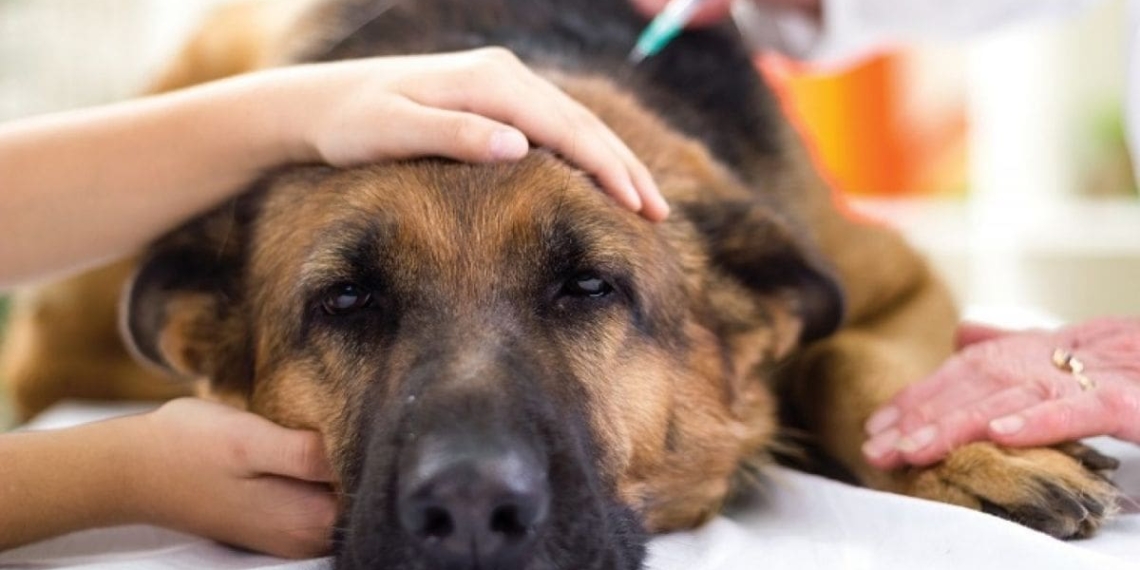
Experts warn that rabid animals are not only a risk to people, but also the health and well-being of livestock and pets. Photo: Supplied/Food For Mzansi

Experts warn that rabid animals are not only a risk to people, but also to the health and well-being of livestock and pets. Photo: Supplied/Food For Mzansi

Share on FacebookShare on TwitterShare on WhatsApp

“Rabies is one hundred percent fatal, but also one hundred percent preventable if handled correctly,” says Dr Didi Claasen, Afrivet’s executive: technical and marketing support, following a confirmed rabies outbreak on the West Rand of Gauteng.

The National Institute of Communicable Disease (NICD) has confirmed five suspected cases of rabies in a jackal from the Cradle of Humankind area. Three human exposures to the honey badger was also confirmed in the Kromdraai area.

Sinenhlanhla Jimoh, senior communications manager at the National Institute of Communicable Disease. Photo: Supplied/Food For Mzansi

This has resulted in a campaign to vaccinate dogs in the affected in the affected and surrounding areas, says NICD senior communications manager Sinenhlanhla Jimoh.

She says, “It is reported that all three cases have received rabies post-exposure prophylaxis and wound care to prevent rabies infection. This is considered a live-saving emergency intervention and entails thorough cleaning of the wound followed by rabies vaccination and rabies immunoglobulin therapy.”

Meanwhile, Afrivet warns that the outbreak of a “rural disease” in suburban areas reiterates the importance of vaccinating pets to protect the human population, regardless of where you reside in South Africa.

Rabies vaccination is compulsory by law, reiterates Claasen. “The vaccine is safe. It does not revert to virulence, nor does it affect your pet’s ability to hunt or its future fertility.

“It is even safe to administer to pregnant animals. Government provides rabies vaccination to cats and dogs free of charge and private practices usually offer the vaccinations at reduced rates.”

Dr Didi Claasen, Afrivet’s executive: technical and marketing support, Photo: Supplied/Food For Mzansi

In the case of an outbreak, such as was seen this week in Krugersdorp, any pet exposed to a rabid animal will be euthanised if they do not have a valid rabies vaccination certificate and history.

A vaccination is only seen as valid if it was administered by a veterinarian, veterinary nurse, or authorised animal health technician.

This is the only way that government can confirm that non-veterinarians kept the vaccine at the correct temperatures, administered the correct quantities, or administered it in the correct manner. In the interest of human safety, unvaccinated animals would need to be put down.

“If exposed pets are vaccinated correctly and a valid vaccination certificate can be provided, other mitigating plans are put into effect to save not only your pets’ life, but also yours and that of your children,” says Claasen.

“The main message we need to be reminded of during every rabies outbreak is that vaccination of pets is our only hope of controlling this disease.”

Animal health products provider Afrivet earlier donated a Double Cab bakkie to the Eastern Cape Veterinary Services in support of their rural rabies vaccination campaigns. Photo: Supplied/Afrivet

Bitten, scratched by a suspicious animal?

  • If you reside in an area where rabies is common or there is a current outbreak, it is especially important to report any suspicious animals or animal behaviour to your local state veterinarian or animal health technician.
  • If you are bitten, scratched or licked by an animal with changed behaviour, wash the wound or contact area immediately, using soap and running water. Do this for at least 10 minutes. Immediately seek medical attention and inform the attending health care professional that you might have been exposed to rabies.
  • The state veterinarian should also be informed that they can examine the animal to determine your risk. The medical professional will then administer post exposure prophylaxis (rabies immunoglobulins and vaccines) according to your risk assessment and exposure category. Reporting these incidents to both medical and veterinary professionals will literally save lives.

ALSO READ: Pigs, people and epilepsy: Afrivet shines in vaccine project

Staff Reporter

Researched and written by our team of writers and editors.

Farmers rethink water use as shortages threaten food production
News

Farmers rethink water use as shortages threaten food production

by Vateka Halile
5th September 2026

What happens when the taps run dry? Farmers know the answer all too well. Experts and farmers at the Water...

Read moreDetails
Honoured roots: A father’s legacy, a daughter’s farming dream

Honoured roots: A father’s legacy, a daughter’s farming dream

4th September 2026
Gauteng farmers urged to harness massive urban market

Gauteng farmers urged to harness massive urban market

4th September 2026
ONCE-OFF USE; DO NOT REPUBLISH

Foot-and-mouth crisis hits SA dairy industry with R1-billion loss

4th September 2026
Tough times, hardy cattle: Why Mzansi farmers are choosing Nguni

Tough times, hardy cattle: Why Mzansi farmers are choosing Nguni

3rd September 2026

Rural safety under fire as stock theft and farm violence persist

Potato turning point ahead as onions double in price year-on-year

Government hikes sugar import price, but industry warns of gap

Gauteng farmers urged to harness massive urban market

Young farmers need structured opportunities, not just open doors

Join Food For Mzansi's WhatsApp channel for the latest updates!

JOIN NOW!
Next Post
Women's Month

Win a Women’s Month treat with #MyVKBwishlist

THE NEW FACE OF SOUTH AFRICAN AGRICULTURE

With 21 global awards in the first six years of its existence, Food For Mzansi is much more than an agriculture publication. It is a movement, unashamedly saluting the unsung heroes of South African agriculture. We believe in the power of agriculture to promote nation building and social cohesion by telling stories that are often overlooked by broader society.

Young farmers need structured opportunities, not just open doors

BenicaTheFarmer: The nurse who built an agricultural empire

Rural safety under fire as stock theft and farm violence persist

This week’s agri events: 07–11 September

Tiger Brands CEO calls for stronger food value chain

Plant, pick, protect: The rising potential of urban foraging in SA

  • Awards & Global Impact
  • Our Story
  • Contact Us
  • Cookie Policy
  • Privacy Policy
  • Copyright

Contact us
Office: +27 21 879 1824
News: info@foodformzansi.co.za
Advertising: sales@foodformzansi.co.za

Contact us
Office: +27 21 879 1824
News: info@foodformzansi.co.za
Advertising: sales@foodformzansi.co.za

  • Awards & Global Impact
  • Our Story
  • Contact Us
  • Cookie Policy
  • Privacy Policy
  • Copyright

Chat Options

I'm Lerato, your AI assistant!
No Result
View All Result
  • News
  • Changemakers
  • Lifestyle
  • Farmer’s Inside Track
  • Food for Thought

Copyright © 2024 Food for Mzansi

This website uses cookies. By continuing to use this website you are giving consent to cookies being used. Visit our Privacy and Cookie Policy.