The agricultural sector has been significantly impacted by the Covid-19 pandemic, and farmers in the Western Cape have had to adapt to the new challenges it has brought. However, they have also embraced innovation and technology to improve their operations.

This is according to Dr Chris de Brouwer, acting chief director: research and technology development services at the Western Cape department of agriculture.
“Farmers have had to deal with significant challenges due to the pandemic, such as restrictions on labour and transport, and changing consumer demand. However, they have also embraced technology to help them overcome these challenges,” says De Brouwer.
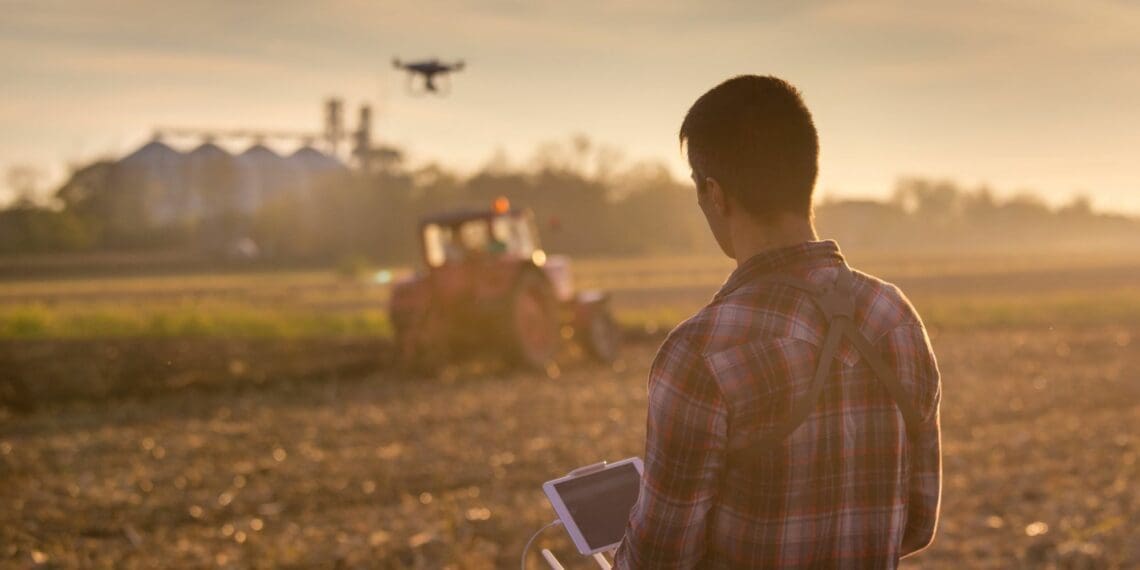
One of the most exciting areas of innovation in agriculture in the Western Cape is the use of precision farming techniques such as conservation agriculture and regenerative agriculture. These approaches involve using advanced technologies such as drones, sensors, and software to collect data on crops and soil conditions.
This enables informed decision-making about planting, irrigation, fertiliser use, pest control, and other aspects of crop management.
Rise of precision farming
“Precision farming techniques have become even more important during the pandemic as they help farmers reduce costs and increase efficiency. For example, farmers are using drones to monitor crops and identify areas that need attention, reducing the need for manual labour,” says De Brouwer.
Another area of innovation in agriculture in the Western Cape is using alternative crops that are more resilient to sub-optimal rainfall and require less water.
“Farmers are increasingly looking at crops such as olives, pomegranates, and almonds that require less water and are better suited to the changing climate. This offers possible options to the region’s challenges and provides opportunities for diversification, increased profitability, job creation, and increased market access,” says De Brouwer.
Impact of drought conditions
Water scarcity continues to be a significant concern for farmers in the Western Cape, with many regions experiencing severe drought conditions. Farmers are turning to innovative water management techniques to address this challenge, such as precision irrigation systems and rainwater harvesting.
“Precision irrigation systems use sensors and software to deliver water to crops more efficiently. This reduces water waste and ensures that crops receive the optimal water for growth and production, especially during critical times such as flowering and fruit set,” says De Brouwer.
In addition to these technologies, farmers in the province are also using software and data analysis tools to improve their operations. For example, some farmers use agricultural software platforms to manage their crops, track data, and identify areas for improvement.
Overall efficiency maximised
“Digital technologies such as agricultural software platforms are increasingly popular among farmers. They help farmers optimise their planting schedules, manage resources more efficiently, and reduce waste. It is encouraging to see farmers in the Western Cape embrace these innovations to improve their operations and overcome the challenges of the pandemic,” he adds.
By using precision farming techniques, alternative crops, and innovative water management practices, farmers continue to find new ways to increase efficiency, reduce environmental impact, and improve profitability, contributing to the sustainable development of the agricultural sector.
READ NEXT: Soil health at the heart of regenerative agriculture
Sign up for Mzansi Today: Your daily take on the news and happenings from the agriculture value chain.