Tuesday, July 21, 2026
SUBSCRIBE
22 GLOBAL MEDIA AWARDS
Food For Mzansi
  • News
  • Changemakers
  • Lifestyle
  • Farmer’s Inside Track
  • Food for Thought
No Result
View All Result
  • News
  • Changemakers
  • Lifestyle
  • Farmer’s Inside Track
  • Food for Thought
No Result
View All Result
Food For Mzansi
No Result
View All Result
in Farmer's Inside Track

What do you need to know about your soil?

by Dona Van Eeden
9th September 2021
What you need to know about your soil

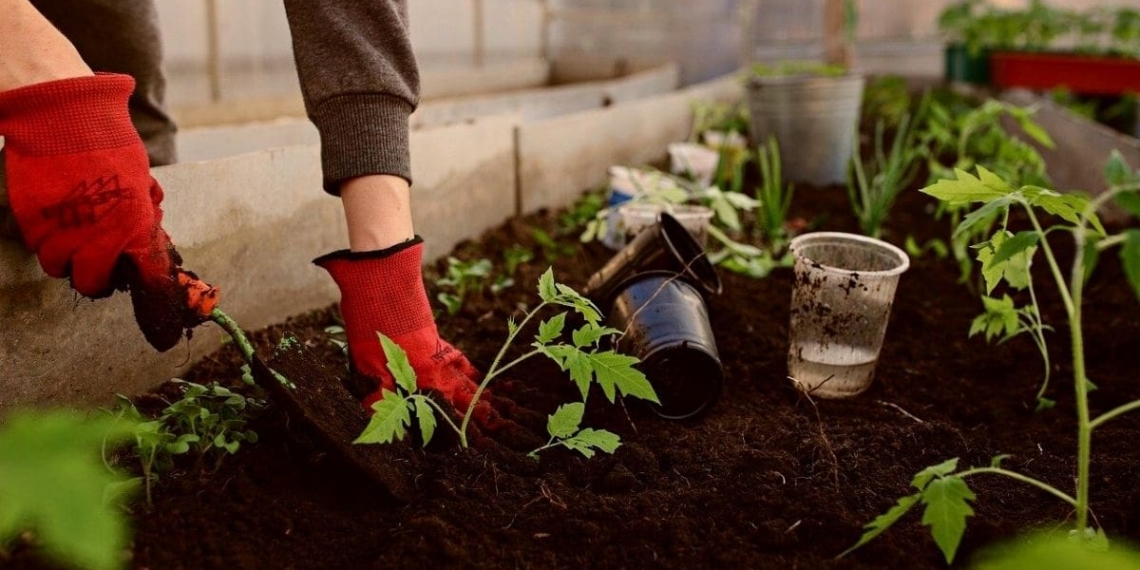
Soil determines with which crops you can farm, so it is vitally important to do the groundwork before you plant. Photo: Supplied/Food For Mzansi

Share on FacebookShare on TwitterShare on WhatsApp

Lerato Botha, a fiery farmer and the CEO of Farmerlee Farms in Tarlton, Gauteng, knows all about soil. That’s because she’s an agronomist – someone who studies ways to make crops grow better. And one of the things that impacts crop growth the most, is the soil in which they are planted.

“It’s very important for farmers to know the makeup of their soil,” Botha says. “This will help determine the type of crop they can grow.”

Lerato Botha (25) is the director of her fathers family business - Farmerlee Farms
Lerato Botha is an agronomist and the director of her father’s family business – Farmerlee Farms. Photo: Supplied/Food For Mzansi

Various crops require specific types of soils so they can give you your optimum yield, according to Botha. She names the three main types of soil: sand, loam and clay. But more often than not, one could have a combination of the three.

“Sandy soils tend to drain water faster than clay soils which retain water,” Botha says. “This is why it’s important to know your soil type before selecting your type of crop.”

ALSO READ: Meet an agronomist

How to select your soil for testing

You can’t just pick up a bucket of soil from your farm to test. Here are Botha’s steps to testing your soil:

1. Divide your land

“It’s important for farmers to divide their lands when taking tests,” says Botha. “This will allow for more accurate soil results.”

2. Randomise your selection

Farmers should select soils from random parts of the field, says Botha. This allows you to get a good overall description of the soil on your farm.

Botha suggests using a W or Z pattern to guide you to different parts of the field to test at random.

3. Select your soil sample

Soil samples should be taken by removing some of the top layer of soil and then collecting a sample of up to 200mm deep. The minimum amount of soil required for testing can be about four hands full.

soil testing
There are a few steps to take and important details to remember when collecting soil samples for testing. Photo: Supplied/Food For Mzansi

“It’s important that only the topsoil is tested and not the subsoil layers underneath,” says Botha. “This is done because the roots are more likely to use the first 200mm of the soil.”

Once you have successfully extracted all the necessary samples, you can take it to a lab where they run tests on the soil.

Take care when sending in your soil samples

Botha mentions some important aspects of the soil collecting process to remember:

  • The instrument (spade) that you use to collect the soil samples should have no other residue on it. You need to clean it for every sample you take.
  • Store the soil in a clear plastic bag when collecting and transporting it. Remember to label the sample.
  • The soil should not be wet when samples are taken.

Soil testing

The first step to knowing what is in your soil, is getting a lab to test it for you. Botha’s advice is to select a SANAS-certified lab.

“This lab is important as your regulatory bodies such a Global Gap, etc., require results from these labs,” says Botha.

Once you get to the lab, they’ll ask you what sort of tests you would like to run on your soil. You can then tick all the boxes you require. Results are usually ready within five to ten working days, according to Botha.

“You can test for things like your pH, macro and micro-nutrients, your carbon levels in the soil and so forth.”

Once you have your results, you can consult an agronomist or your preferred seed company. They can suggest what crops you can grow and the amount of fertiliser you will require for the growing season of the crop.

ALSO READ: ‘There is money in the soil,’ says community farmer

Sign up for Farmer’s Inside Track: Join our exclusive platform for new entrants into farming and agri-business, with newsletters and podcasts. 
Dona Van Eeden

Dona van Eeden is a budding writer and journalist, starting her career as an intern at Food for Mzansi. Furnished with a deep love and understanding of environmental systems and sustainable development, she aims to make the world a better place however she can. In her free time you can find her with her nose in a book or wandering on a mountain, looking at the world through her camera's viewfinder.

Tags: AgronomistFarmer’s Inside TrackLerato BothaSoil fertilitySoil Healthsoil testing
The Forest of Renewal at Rustlers Valley celebrates the intertwined legacies of Frik Grobbelaar, Anton Chaka and Riky Rick, inviting South Africans to restore the land while cultivating hope, belonging and community. Illustration: ChatGPT
Food for Thought

Rustlers Valley offers a blueprint for South Africa’s renewal

by Ivor Price
18th July 2026

As the Rustlers Valley Memorial Forest is launched in the eastern Free State this weekend, Ivor Price reflects on why...

Read moreDetails
Grain SA appoints Mabuza to lead farmer development

Rising stars: 2026 PGP finalists redefining SA grain farming

18th July 2026
Rooibos heads to space in groundbreaking Mzansi experiment

Rooibos heads to space in groundbreaking Mzansi experiment

18th July 2026

Seriti Institute CEO wins prestigious Best Woman 2026 CSI award

17th July 2026
Farmers and brewers call for budget that builds, not breaks

Minister details Land Bank’s success in boosting black farmers

17th July 2026

Rustlers Valley offers a blueprint for South Africa’s renewal

Grain SA defends farmers against blame for rising food prices

Climate change: SA’s food processors are feeling the heat

SA poultry industry calls for urgent bird flu vaccine rollout

Minister details Land Bank’s success in boosting black farmers

Join Food For Mzansi's WhatsApp channel for the latest updates!

JOIN NOW!
Next Post
Eating healthy is easier than you'd think. Here are a few cost-effective heart-healthy foods to keep at home.

These low-cost foods are good for your heart

THE NEW FACE OF SOUTH AFRICAN AGRICULTURE

With 21 global awards in the first six years of its existence, Food For Mzansi is much more than an agriculture publication. It is a movement, unashamedly saluting the unsung heroes of South African agriculture. We believe in the power of agriculture to promote nation building and social cohesion by telling stories that are often overlooked by broader society.

Smart vineyard irrigation starts below the ground

Treat food processing as essential national infrastructure – Khoury

Farmers urged to embrace uncertainty and build resilience

SA poultry industry calls for urgent bird flu vaccine rollout

Mother’s legacy, neighbour’s grace: Venessa Simelane’s farm story

Deadline looms: Register water use by 23 July or risk penalties

  • Awards & Global Impact
  • Our Story
  • Contact Us
  • Cookie Policy
  • Privacy Policy
  • Copyright

Contact us
Office: +27 21 879 1824
News: info@foodformzansi.co.za
Advertising: sales@foodformzansi.co.za

Contact us
Office: +27 21 879 1824
News: info@foodformzansi.co.za
Advertising: sales@foodformzansi.co.za

  • Awards & Global Impact
  • Our Story
  • Contact Us
  • Cookie Policy
  • Privacy Policy
  • Copyright

Chat Options

I'm Lerato, your AI assistant!
No Result
View All Result
  • News
  • Changemakers
  • Lifestyle
  • Farmer’s Inside Track
  • Food for Thought

Copyright © 2024 Food for Mzansi

This website uses cookies. By continuing to use this website you are giving consent to cookies being used. Visit our Privacy and Cookie Policy.