Friday, October 23, 2026
SUBSCRIBE
22 GLOBAL MEDIA AWARDS
Food For Mzansi
  • News
  • Changemakers
  • Lifestyle
  • Farmer’s Inside Track
  • Food for Thought
No Result
View All Result
  • News
  • Changemakers
  • Lifestyle
  • Farmer’s Inside Track
  • Food for Thought
No Result
View All Result
Food For Mzansi
No Result
View All Result
in Food for Thought

What SA agriculture needs from international trade

by Staff Reporter
18th May 2021
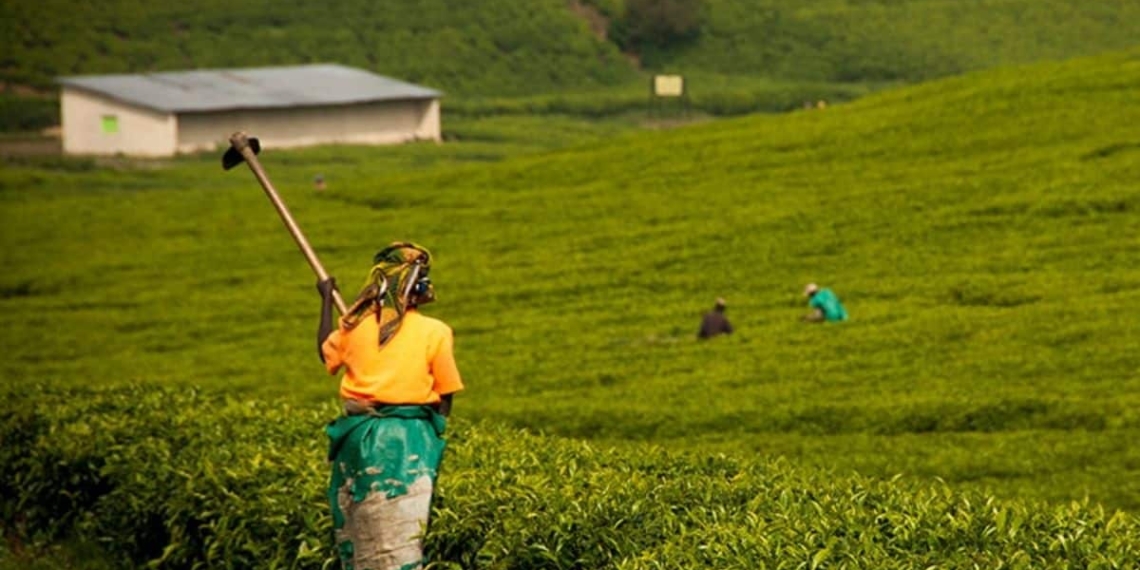
Sub-Saharan Africa has the highest export and second highest import costs in the world, argues Antonie Delport, the head of Syngenta South Africa. Photo: Radka Stankova/Shutterstock

Sub-Saharan Africa has the highest export and second highest import costs in the world, argues Antonie Delport, the head of Syngenta South Africa. Photo: Radka Stankova/Shutterstock

Share on FacebookShare on TwitterShare on WhatsApp
Antonie Delport, the head of Syngenta South Africa. Photo: Supplied/Food For Mzansi
The agriculture sector is not only crucial for ensuring food security, but also the main source of African livelihoods. Yet, despite its potential, the continent still has half of all the people in the world that face food insecurity. Antonie Delport, the head of Syngenta South Africa, shares his insights into what Mzansi agriculture needs from international trade to ensure we can overcome the issues of food security.


Agriculture is a pivotal industry. It is not only crucial in providing food security worldwide, but it’s also the main source of jobs and livelihoods in Africa.

Yet, despite its potential to feed the growing global population, the continent remains home to more than half of all the people in the world who face food insecurity.

How, then, do we unlock the potential of our continent to produce the quantity and quality of food it is capable of? I believe that international trade is a critical part of the answer.

The capacity of international trade participation to fuel economic growth is well established. However, in our experience, markets need appropriate and robust regulation to flourish and deliver equal benefits to all participants.

Mzansi vs. the EU

Trade between South Africa and the European Union (EU) is a good example. Despite the EU being South Africa’s largest trade partner worldwide, and South Africa the EU’s biggest trade partner in Africa, the parties do not always negotiate with mutual understanding.

The fall armyworm is a case in point. This insect pest lays waste to crops in Africa, but is not a threat to European farmers. Yet, EU trade regulations prohibit the use of crop protection chemicals that are effective against the pest on export crops.

In order to maximise the potential inherent in a free trade agreement, such as the one that exists between Europe and Africa, standards have to be accepted by all parties and tariff and non-tariff barriers have to minimised.

Global reference standards prepared by scientists, experts and governments are necessary and welcome. Unfortunately, standards are too often based on consumer preferences rather than science. 

Farmers further need the cost of doing business across borders to come down. 

Sub-Saharan Africa has the highest export and second highest import costs in the world, and the myriad registration and licencing systems across the continent severely limit the profitability of intra-continental trade.

Future possibilities

Against this backdrop, the game-changing potential of the African Continental Free-Trade Area (AfCFTA) cannot be overstated.

With signatories committed to removing tariffs on 90% of all goods, progressively liberalising trade in services and addressing non-tariff barriers – the world’s largest free trade area can transform international trade, boost food security and bring economic emancipation to millions of farmers.

Food markets and trade practices that support equal and sustainable access to safe, high-quality food for everyone are necessary and possible. The means to achieve it largely exist already; what is required are political will and action at all levels of society.

Antonie Delport is the head of Syngenta South Africa.

ALSO READ: AfCFTA could be ‘jackpot for SA farmers’

Staff Reporter

Researched and written by our team of writers and editors.

News

CPAs urged to register for free governance support toolkits

by Staff Reporter
21st October 2026

With 82% of registered CPAs facing non-compliance issues, Vumelana Advisory Fund has introduced free support toolkits to improve land management...

Read moreDetails

Potatoes and tomatoes plunge while avocado prices soar

20th October 2026
Becoming bankable: How to get your farm ready for finance

Becoming bankable: How to get your farm ready for finance

20th October 2026

Fixing SA’s agricultural visa system to protect seasonal harvests

20th October 2026
‘Beware the dangers of illegal foot-and-mouth vaccines’

SA and Namibia reevaluate livestock trade after FMD outbreak

20th October 2026

Stop the rot: Four steps to slash post-harvest losses

Reluctant farmer scales EC cabbage enterprise to supply Spar

Mogogelo farmers receive packhouse and cold storage facilities

Agda pushes for pathways to commercialise emerging farmers

Farmers urge urgent support for resilient local supply chains

Join Food For Mzansi's WhatsApp channel for the latest updates!

JOIN NOW!
Next Post
Mandla Mbisi has been asked to step down as Mpumalanga's agricultural MEC after he handed himself over to police in a pending murder investigation. Photo: Supplied/Food For Mzansi

Mpumalanga reels after ‘illegal hunters’ kill farmer

THE NEW FACE OF SOUTH AFRICAN AGRICULTURE

With 21 global awards in the first six years of its existence, Food For Mzansi is much more than an agriculture publication. It is a movement, unashamedly saluting the unsung heroes of South African agriculture. We believe in the power of agriculture to promote nation building and social cohesion by telling stories that are often overlooked by broader society.

Agda pushes for pathways to commercialise emerging farmers

Karoo sheep tallow finds new purpose in Mzansi beauty brand

Why simple farm records beat complex systems

Crowdfunding breathes new life into neglected Limpopo citrus farm

Mogogelo farmers receive packhouse and cold storage facilities

Godongwana unveils fuel relief and R10 billion El Niño buffer

  • Awards & Global Impact
  • Our Story
  • Contact Us
  • Cookie Policy
  • Privacy Policy
  • Copyright

Contact us
Office: +27 21 879 1824
News: info@foodformzansi.co.za
Advertising: sales@foodformzansi.co.za

Contact us
Office: +27 21 879 1824
News: info@foodformzansi.co.za
Advertising: sales@foodformzansi.co.za

  • Awards & Global Impact
  • Our Story
  • Contact Us
  • Cookie Policy
  • Privacy Policy
  • Copyright

Chat Options

About this assistant

This feature generates automated answers summarised from Food For Mzansi articles. By using it, you are interacting with an AI system (provided by Google), not a human. AI can make mistakes. Please refer to the source articles for verification and citation purposes.

Our staff do not check or moderate Lerato’s answers in advance, but may review some later. Our journalists continue to write and edit all the articles Lerato uses as sources.

To estimate unique and returning web users, we store a random browser ID in this browser. WhatsApp users are counted by phone number. The same person using both channels may be counted twice.

I'm Lerato, your AI assistant!
No Result
View All Result
  • News
  • Changemakers
  • Lifestyle
  • Farmer’s Inside Track
  • Food for Thought

Copyright © 2026 Food for Mzansi