South Africa’s Asian prospects are cautiously brightening as firms pivot Eastward. Uncertainty around the US market, a one-year Agoa extension, and a 30% tariff have nudged exporters to Asia, where demand, partnerships, and diversification are restoring confidence, investment momentum, and longer-term trade in agriculture and other commodities.
With a zero-tariff deal on the horizon and fresh market openings for table grapes in South Korea, the local sector is preparing for a new era of growth to shield farmers from global trade volatility.
Recently, South Africa signed the Framework Agreement on Economic Partnership for Shared Prosperity (CAEPA) with China, setting the stage for a major shift in trade dynamics. This agreement is expected to culminate in an “early harvest” deal by March 2026, granting South African products duty-free access to the world’s second-largest economy.
New opportunities fuel growth
“As China-South Africa relations continue to deepen, new opportunities emerge for South African businesses seeking to enter the Chinese market, particularly in sectors such as mining, agriculture, renewable energy and technology,” said Parks Tau, minister of the department of trade, industry and competition.
He further noted the importance of the investment side, stating, “We look forward to attracting even more Chinese investment into South Africa and also introducing many South African products into the Chinese market.”
However, translating these high-level diplomatic gains into farm-gate profits depends heavily on removing the steep costs currently facing exporters. Wandile Sihlobo, chief economist at Agbiz, pointed out that these trade barriers have long been the primary obstacle for the sector.
“Many of South Africa’s agricultural industries have struggled with higher tariffs in China. For example, the wine industry faces duties of 14–20%, the macadamia industry 12%, and several other products face higher tariffs. Therefore, including the agricultural sector and reducing these tariffs would increase our competitiveness,” Sihlobo explained.
Related stories
- SA secures landmark stone fruit deal with China
- Landmark deal empowers young farmers through smart education
- Landmark season as Flash Gala apples break records
With the new framework signalling a move toward zero duties, Sihlobo believes South Africa is finally positioned to grow its current 0.4% share of the Chinese market. “We have a large volume of products to export, including fruits, wine, grains, and meat products. This export push is key to South Africa’s long-term agricultural growth.”
New horizons for table grapes
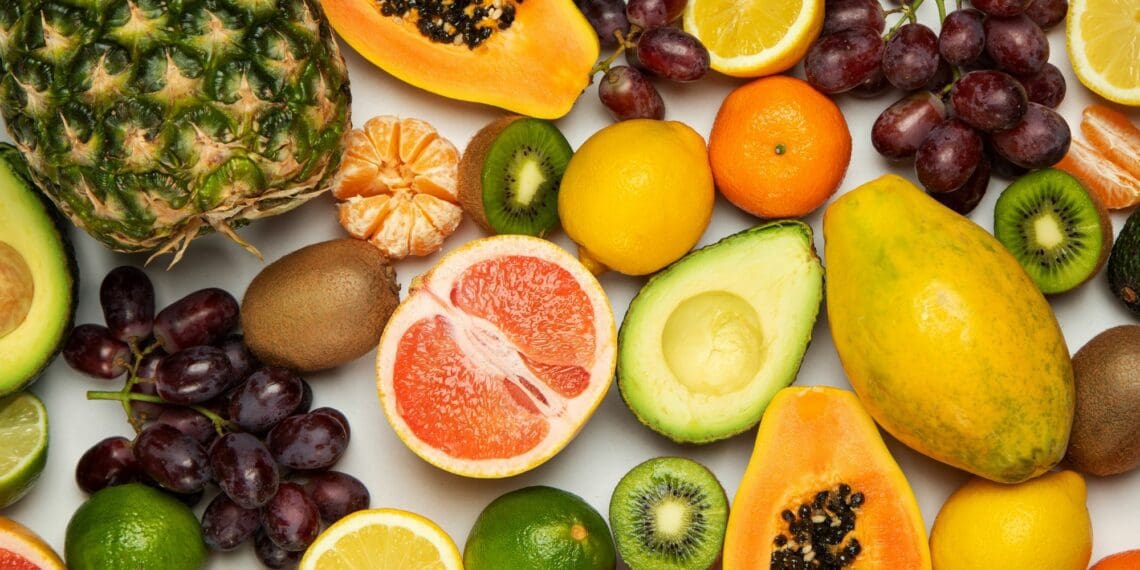
Further strengthening the move toward Asian markets, the department of agriculture announced that South Africa has gained market access for fresh table grapes to the Republic of Korea (ROK). The breakthrough comes after more than 20 years of negotiations, finalised after a physical field verification visit in February 2025.
Minister of agriculture John Steenhuisen expressed the significance of this milestone for the national economy. “The table grape industry plays a major role in the SA economy to generate substantial foreign exchange earnings, create employment opportunities, and contribute significantly to the growth of the agricultural sector,” Steenhuisen stated.
To maintain this lucrative new link, the department of agriculture has stressed that all exporters must adhere to strict safety protocols to safeguard the market.
“It is crucial that producers comply with the phytosanitary import conditions for the export of fresh table grapes. Growers of registered production units must implement good agricultural practices (Gap), which must include orchard sanitation, use of integrated pest management (IPM), or adequate control measures.”
READ NEXT: Steenhuisen quits DA leadership, pledges to end FMD