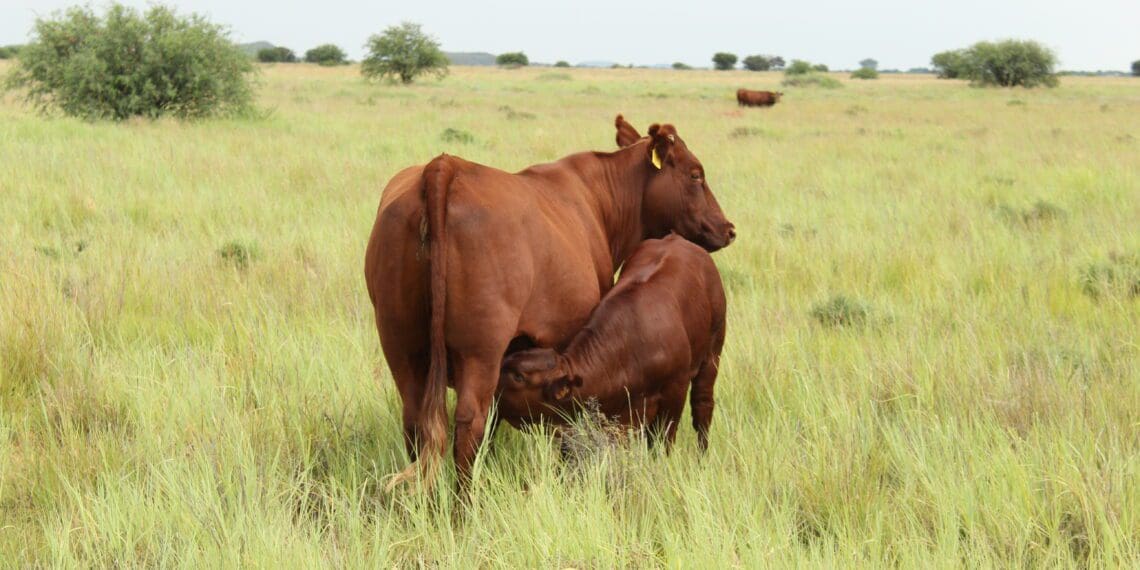
A collaboration between Bonsmara SA and Red Meat Industry Services (RMIS) highlighted the critical role of selection values in enhancing herd quality amid ongoing challenges within the livestock sector.
Sandile Nzuza, a breed advisor at Bonsmara SA, emphasises the importance of nurturing Bonsmara cattle. His insights focused on achieving economic benefits, ensuring sustainability, advancing genetic improvements, promoting animal welfare, and safeguarding food security.
The importance of cattle health
Nzuza spoke during RMIS’s monthly sessions aimed at educating and raising awareness among farmers regarding their livestock.
“Even though agriculture is still the backbone of the economy, there are challenges that we find ourselves facing, such as increasing input costs that farmers have to bear. Feed costs are expensive, and labour is becoming more expensive by the year.
“Fuel costs have risen by 18% compared to last year, and these are costs that farmers never really budgeted for. There are also tariffs that municipalities have imposed that must be absorbed by farmers,” he said.
Nzuza stressed that despite all of this, it is critical for farmers to employ the best possible techniques to improve their herds and make a significant contribution to the supply of high-quality beef in the country.
Related stories
Enhancing livestock quality and efficiency
“We have a market waiting for quality meat, with demand outstripping supply in the country. Yet, despite these challenges, farmers often find themselves selling as if there’s an oversupply,” he explained.
Nzuza also highlighted other techniques farmers could employ to ensure high-quality livestock, such as capturing data on birth dates, weaning dates, weights, lick, and medical treatments.
“The cow herd serves as the farm’s factory, determining profitability. Cattle should be capable of efficient reproduction from natural grazing, minimizing input costs and daily physical labour.
“A farmer needs a cow/calf ratio of at least 50%, with cows capable of early pregnancy during the breeding season, which requires proper care,” he emphasised.

Promoting ethical farming practices
Nzuza emphasised that implementing a strategic breeding programme to maintain and improve herd genetics is essential for farmers.
“Ensuring proper care for cattle is crucial, promoting humane treatment and ethical farming practices that enhance overall animal welfare,” he stated.
In South Africa, both commercial and small-scale farming in the cattle industry provide employment opportunities in farming, veterinary care, feed production, and meat processing.
Nzuza highlighted that successful cattle farming can bolster the local economy and foster rural development. “Effective management guarantees a consistent beef supply, stabilising food prices and availability.
“By prioritising these practices, Bonsmara cattle farmers can increase productivity, ensure sustainability, and enhance the economic and social well-being of their communities,” he concluded.
ALSO READ: Old and new MECs gear up for next era in agriculture
Sign up for Mzansi Today: Your daily take on the news and happenings from the agriculture value chain.