As the African Union (AU) marks 2023 as the year of trade integration, farmers call on role players to invest in the agricultural potential of African communities. Equally, they’d like an increase in the agricultural participation of countries that rank the lowest in agricultural production due to unique challenges.
Africa Day on 25 May is an annual celebration of the achievements and potential of the African continent and commemorates the founding of the AU. This year marks the sixtieth anniversary of the signature of its founding charter in Addis Ababa, Ethiopia and the theme is “Acceleration of AfCFTA implementation”.
The African Continental Free Trade Area (AfCFTA) is an ambitious trade pact aimed at creating a single market for goods and services for almost 1.3 billion people across Africa, and deepening the economic integration of the continent.
Land, youth and stakeholders
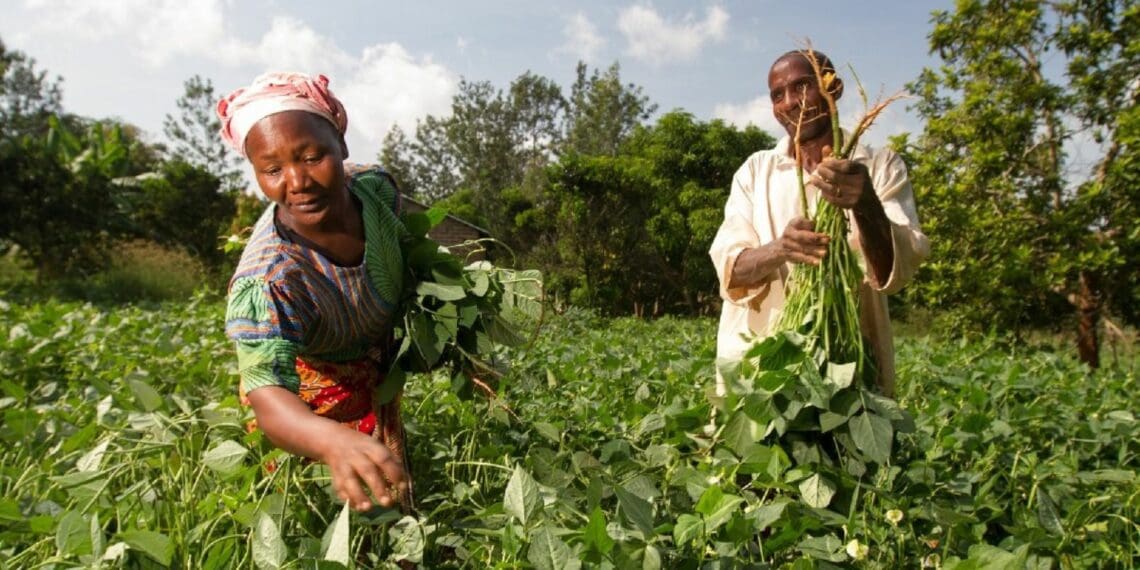
Sharing her hopes for Africa in celebration of Africa Day, Sibongile Cele, chairperson of the African Women in Agriculture, said marginalised groups need to partake in solving Africa’s food challenges.
Agriculture, she highlighted, is the solution to many localised issues and she called on stakeholders to play their part in this regard.
“It is even better if we invest in efforts in youth and women who can go back and positively impact their communities and solve reduce poverty, improve food security and even economic growth,” she said.
To achieve this, land must be availed to young people coming into agriculture, Cele pointed out. She believes this would ensure their participation in agriculture, and help find solutions to Africa’s challenges of poverty and food insecurity.

Cele believes, “We are more united if we work together.” This is why she advocates for community food gardens as not only a solution to food access but poverty too.
“We really need to remember that land is an asset and a good resource to produce and we have to use it in abundance, we need to use it wisely,” Cele said.
According to a study published in 2021, only about 5% of households in South Africa were still farming for their main source of food and 10% were farming for supplementary food.
Improving agriculture in Namibia
Akathingo Kapuka, a vegetable farmer in Namibia and leader of Fanogroup, an organisation that represents farmers, hopes agricultural production in the southwest African country will increase.
Agriculture is one of Namibia’s most important sectors. Around 70 % of the country’s population depends directly or indirectly on agriculture for their income and livelihood, mostly in the subsistence sector. Agriculture’s contribution to the country’s gross domestic product (GDP) (excluding fishing) over the last five years has been just over 4%.
“We barely export horticulture produce to even Sadac,” Kapuka said. “What we currently have is mostly beef and prestigious grapes that are produced in the south of the country. We still have a lot of work to do to play on the international platform.”
Kapuka points to a lack of funding as the biggest barrier. With better funding, farmers will be able to produce over and above the existing demand, opening up opportunities for exportation, he said.

To achieve this, it will take more than funding, he admits. “We farmers need to start uniting so that we have a clear path on how much to put out there so that we can be competitive with international markets.”
The future is bright
Should government strengthen rural communities with funding, Kapuka foresees a bright future for agriculture in Namibia. This, at a time when interest in agriculture has grown, he added.
“The language that the general public has towards agriculture has changed and people are saying that it is partly why we see so much lack of employment in the country. People see that they are able to have a source of livelihood from their land and a source of income without going out [and] looking for jobs,” Kapuka said.
Provided the funding, Namibia can thrive because there is enough land for production.
“We have to produce for ourselves and for other people,” he said. “I see Namibians taking an opportunity to become proactive and pro-export in the next coming years.”
ALSO READ: Grab indaba tickets before they’re gone!
Sign up for Mzansi Today: Your daily take on the news and happenings from the agriculture value chain.