As the year comes to a close, the agricultural sector is not only reflecting on past challenges but also looking ahead with optimism. Agri-Expo is set to host the 31st Commonwealth Agriculture Conference in Cape Town from 1 to 5 November 2026.
The event promises to bring together between 200 and 300 delegates from more than 20 Commonwealth countries, alongside participants from non-Commonwealth countries such as the US and Germany.
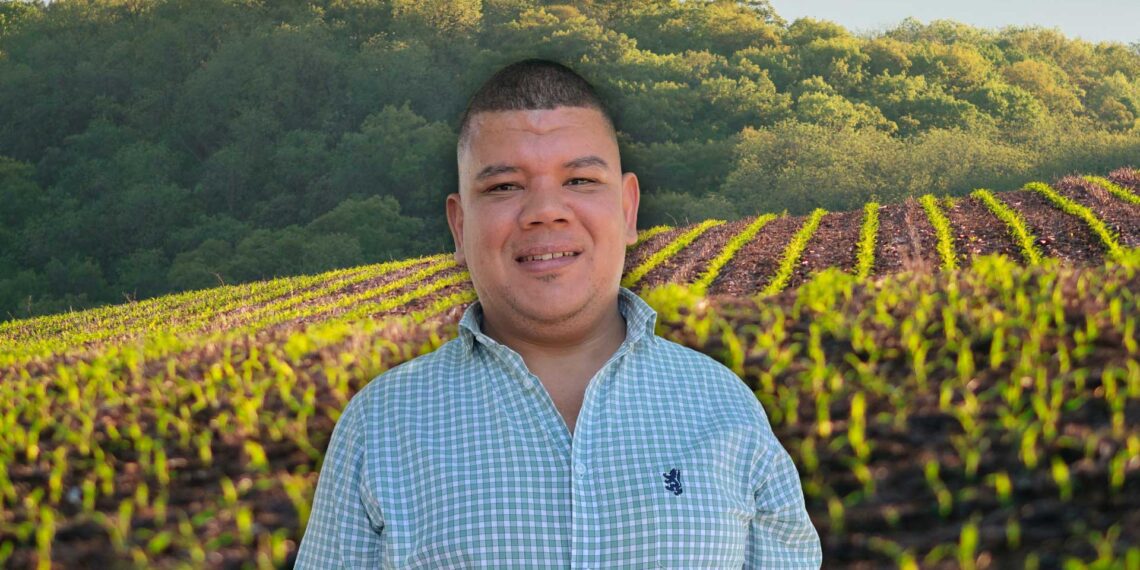
As the sole voice of agriculture within the Commonwealth, Agri-Expo, led by CEO Breyton Milford, aims to showcase South Africa’s agricultural excellence, promote sustainable practices, and foster collaboration on key issues such as food security, biosecurity, and climate resilience.
Food For Mzansi spoke with Milford about the conference’s expected impact on South Africa’s agricultural policies, trade opportunities and how the event can support small-scale farmers and transform the sector.
Lisakanya Venna: How do you see the Commonwealth Agriculture Conference influencing SA’s agricultural policies and trade opportunities?
Breyton Milford: First, I believe it’s important to have friends abroad. We’ve seen what has happened in the US, where there are many examples of conflict, so building friendships is essential.
For me, it’s especially valuable when people from the Commonwealth come to experience South African agriculture and discuss global agricultural issues. It’s important that South Africa is actively involved in these conversations, and to me, that’s the main point.
What role can the private sector play in supporting small-scale farmers in SA and across the Commonwealth?
We have seen, for example, with blended finance initiatives like those Land Bank provides for small-scale farmers and farmers in general, what can be achieved when people work together. I believe there is too much pressure on the government to do it alone.
The private sector, banks, companies, and others all need to get involved so that we can uplift small-scale farmers and help them reach optimal production.
Related stories
- Agri-Expo to host Commonwealth Agriculture Conference
- Medicinal plants conference highlights healing & profit potential
- Agroecology: Make farmers profitable, not poor
- Solar success: Poultry farmer turns setback into comeback
How can Agri-Expo leverage the conference to promote SA agriculture globally?
Normally, about 25 countries are represented at the Commonwealth Agriculture Conference. Not all participants come only from Commonwealth countries; some come from the US, Germany, and other places. But I think what we, as Agri-Expo, want to achieve is to showcase what we do because we have brilliant farmers and extension officers.
We also have excellent examples of how transformation is working in some areas, and we need to showcase that to the world.
What are the key challenges for the country’s agricultural sector, and how can the conference address these challenges?
I think at the moment, one really big issue for us is the livestock industry, probably the largest industry we have, and that is biosecurity.
I believe we can learn from other countries about what they are doing, especially examples from other parts of the world regarding vaccines for biosecurity measures. Hopefully, this is something that will come out at the conference.
How can the conference’s focus on climate resilience and sustainability be applied to SA’s agricultural sector?
Once again, I think resilience and climate change are global topics. We know what is happening in the rest of the world, and we have seen it in South Africa. I think we can learn from other countries; it is not a matter of casting stones or having a single recipe for success, but we can learn from others.
If we do not have this, then we will never know. This conference creates the opportunity to learn from people across the world, and at the same time, we can also set examples.
READ NEXT: Meet the dairy champions driving change in Mzansi