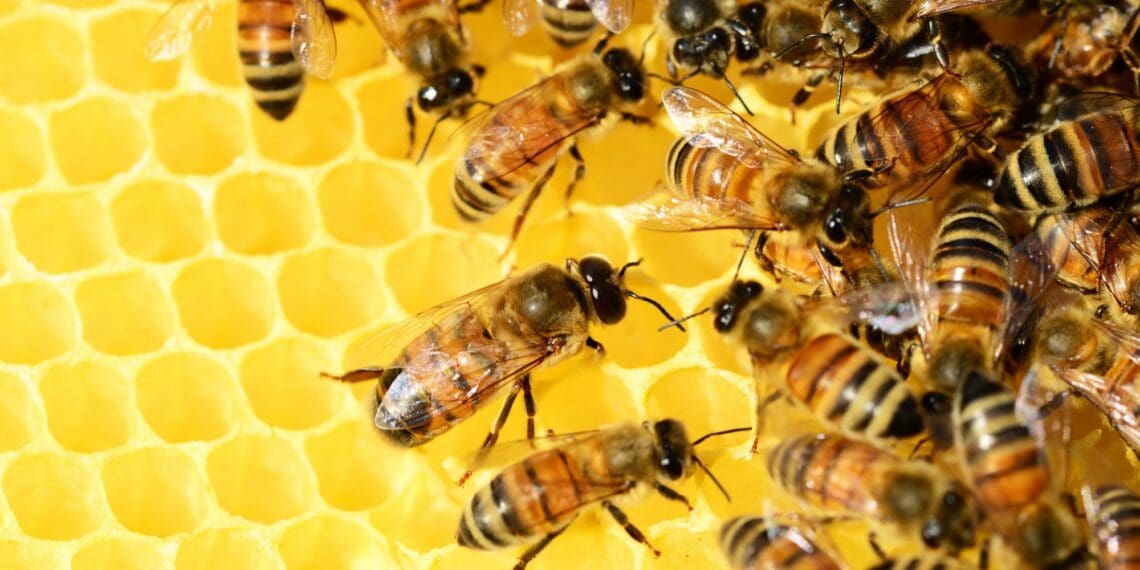
In a concerted effort to raise awareness about the alarming decline in bee populations and its impact on agriculture, Twinkl South Africa has announced the upcoming Bee Week, scheduled to take place from Monday, 15 to Sunday, 21 May 2023. The initiative coincides with World Bee Day celebrations and aims to shed light on the vital role bees play in global food production.
Twinkl, an internationally recognised educational publisher, has long been committed to supporting educators and providing valuable resources to inspire and educate the next generation. With Bee Week, the company hopes to draw attention to the critical situation facing bees and encourage individuals to take action in preserving these essential pollinators.
Numbers taking a dip
Bees, often taken for granted, play a crucial role in agriculture by pollinating crops that make up a significant portion of our food supply. However, the global bee population has been steadily declining due to various factors, including habitat loss, pesticide use, and climate change. The consequences of this decline are far-reaching, as it directly impacts crop yields, biodiversity, and food security.
The significance of bees in agriculture cannot be overstated. According to the Food and Agriculture Organisation (FAO), approximately 75% of the world’s food crops depend, at least in part, on pollinators like bees.
The economic value of pollination services provided by bees is estimated to be in the billions of dollars annually. Without bees, the availability and diversity of fruits, vegetables, nuts, and seeds would be severely compromised, leading to higher food prices and nutritional imbalances.
ALSO READ: What honeybees in South Africa need from people
Education tops priority list
Twinkl South Africa’s Bee Week aims to educate children and adults alike on the importance of bees in agriculture and the urgent need to protect their habitats.
As part of the initiative, the organisation will provide free bee-themed educational resources to teachers throughout the event. These resources are designed to engage students in learning about the intricate relationship between bees and the agricultural ecosystem.
Wendy Pienaar, country manager of Twinkl South Africa, emphasised the significance of raising awareness about bees, stating, “Educating children about the importance of bees is crucial, and we hope that through this event, we can inspire more people to take action to protect these amazing creatures.”
Individuals can contribute to the preservation of bees and their habitats by taking simple but impactful steps. Planting bee-friendly flowers and avoiding the use of harmful pesticides are some practical ways to support bee populations. Additionally, supporting local beekeepers and advocating for policies that prioritise bee conservation is essential for long-term sustainability.
A rallying call to act now
Bee Week serves as a rallying call for everyone to recognise the critical importance of bees in agriculture and to take action to protect these essential pollinators. By joining forces and working together, we can secure a future where bees thrive, crops flourish, and our food supply remains abundant.
To learn more about Twinkl South Africa’s Bee Week and access the free educational resources, visit their official website at www.twinkl.co.za.
READ NEXT: Grab indaba tickets before they’re gone!
Sign up for Mzansi Today: Your daily take on the news and happenings from the agriculture value chain.