Global Payment Technologies (GPT) have joined hands with Food & Trees for Africa (FTFA) in an forestation project at the height of the floods that severely impacted the lives of KwaZulu-Natal residents earlier this year.

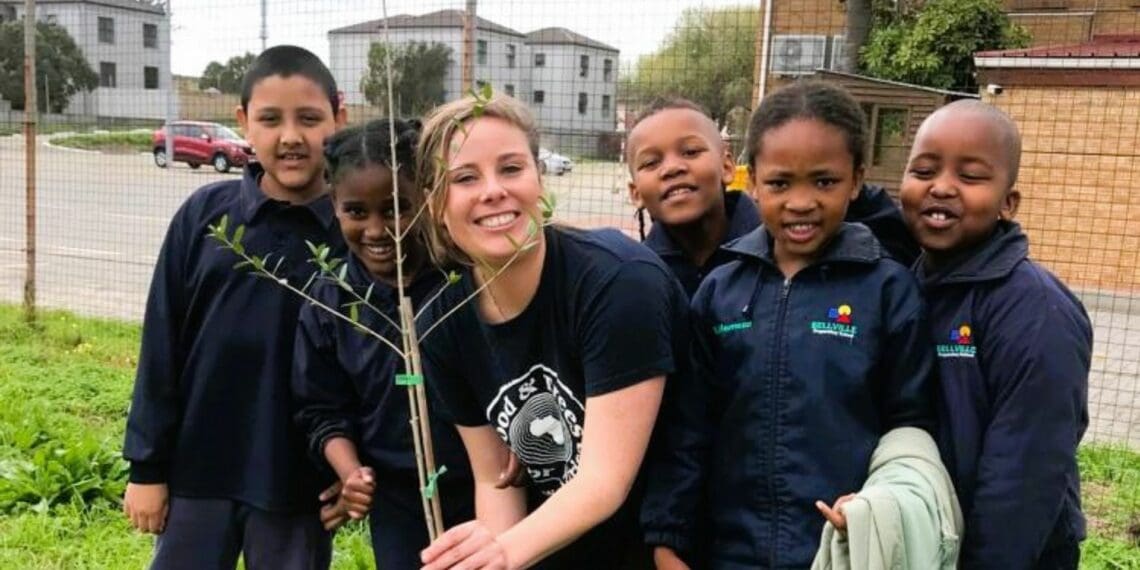
The flooding that struck the province in April has been described as Mzansi’s deadliest storm to date. At a volunteer day that took place at the Bright Future School in Newlands East, GPT and FTFA planted 270 trees. An initiative has enabled the sequestration of 369 tonnes of carbon dioxide to date.
“We recognise that it is essential we contribute toward mitigating the impacts that climate change has in our communities,” says Lise Reed, the transformation and human resources manager for GPT.
Based in Sandton, the tech company supplies money handling equipment and software solutions nationally.
Keep it green for greater good
Since the establishment of the partnership, GPT has planted over 1000 trees in three other provinces. This includes 460 trees that were planted in FTFA’s afforestation project in the Eastern Cape, while the Western Cape received 270 trees in August.
“People are a critical resource that needs to be nurtured, developed and supported. The need to invest in our collective prosperity and enhance every aspect of our world for a greener future has become a critically important imperative,” says Reed.
Transformation and Human Resources Manager for GPT, Lise Reed
The FTFA’s Trees for All programme is an award-winning project that sustainably plants trees in shared spaces for a healthier, greener environment.
Planting trees is a vital component of the green economy, helping to reduce atmospheric carbon and providing a range of other benefits explains FTFA’s executive director, Chris Wild.
“Investment in our country’s green infrastructure and our people is now more crucial than ever. By supporting ESG projects that enable the green economy, GPT is helping to drive South Africa towards a more sustainable future,” says Wild.
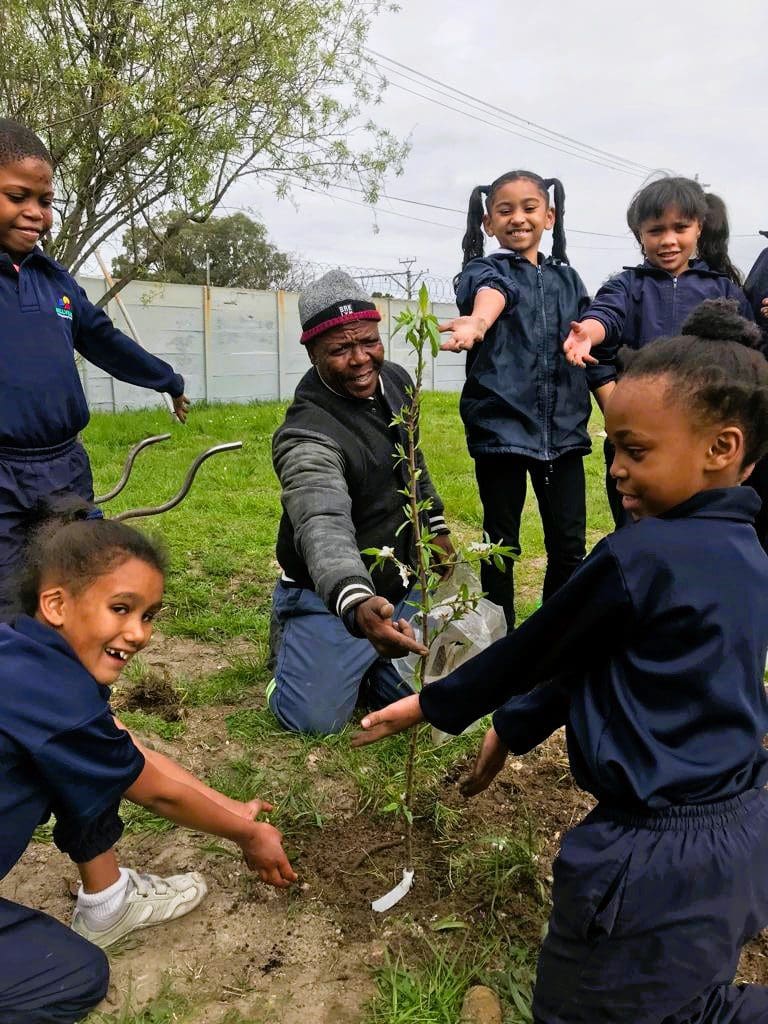
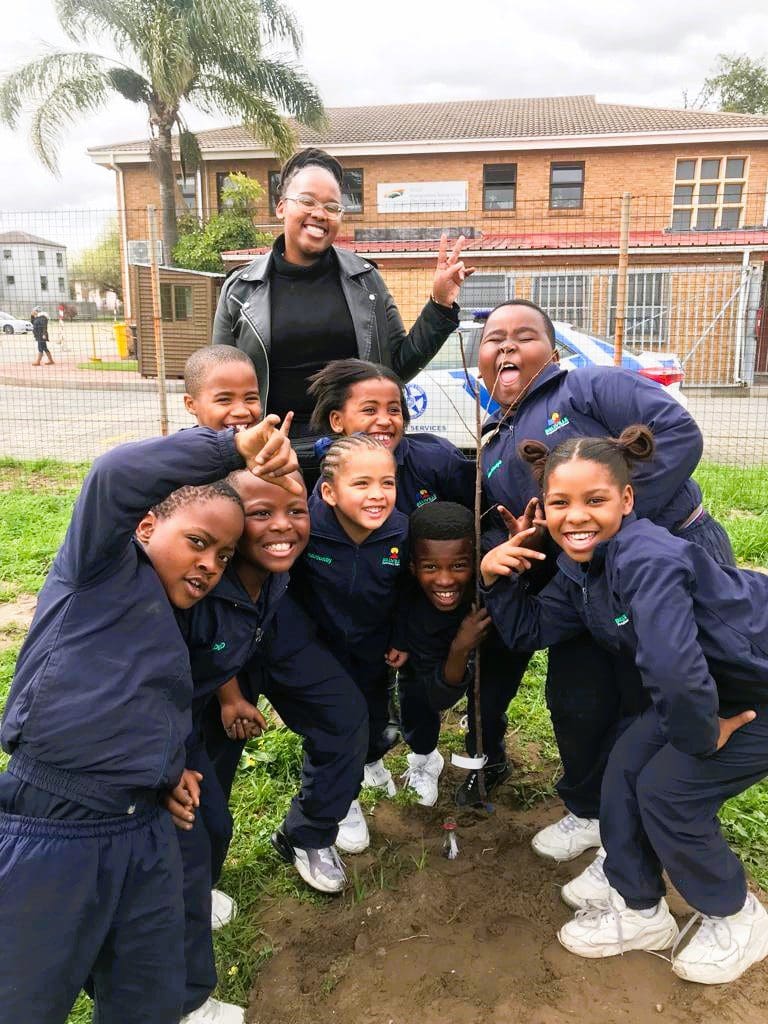

These tree planting initiatives not only reduce atmospheric carbon responsible for a changing climate; when planted in public spaces, it also provide additional benefits to the community and kick-start self-sustaining green economies, Wild explains.
“Research has linked an increase in urban trees to a reduction in crime, happier people, and improved psychological well being. Indigenous trees enhance the natural aesthetic of the community, while the fruit and nut trees strengthen national efforts towards food security and food sovereignty.”
ALSO READ: Zero2Five: Giving hope to KZN flood victims
Sign up for Mzansi Today: Your daily take on the news and happenings from the agriculture value chain.