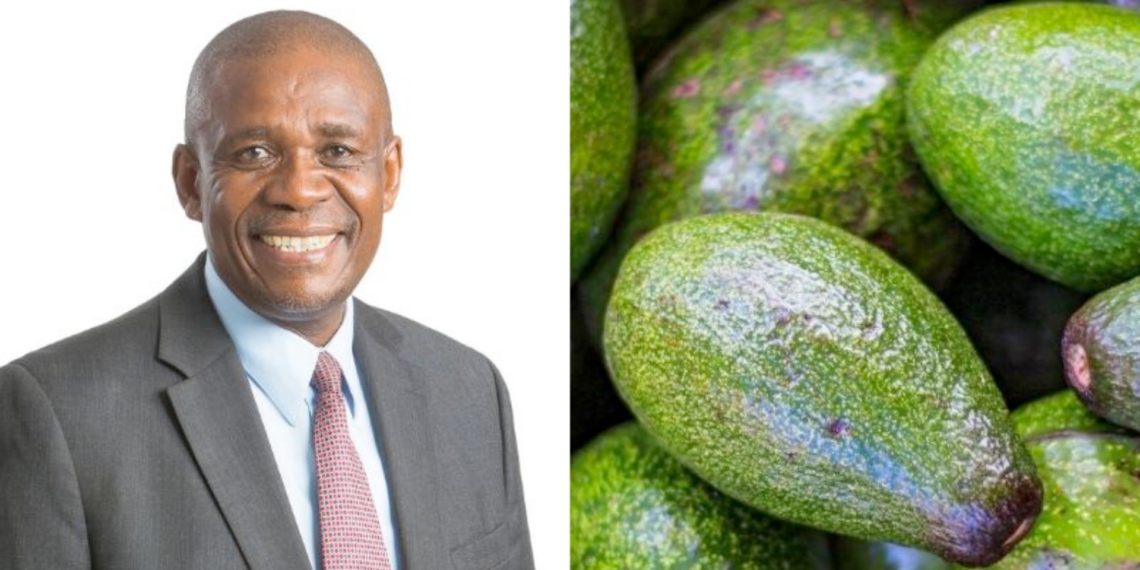
Newly-appointed board chairperson of Westfalia Fruit, Dr Khotso Mokhele, said he is future-focused and will help drive the avocado business into the future alongside other board members.
His appointment comes at a time when a sustainable fruit industry must be ideally focused on three pillars that include environmental, social and governance. Ultimately these pillars enhance the ability to create a long-term value chain, creating jobs and ensuring the future of the industry.
In an interview with Food For Mzansi, Mokhele talks about his vision, growth opportunities industry, how geopolitics are impacting Westfalia Fruit and more.
ALSO READ: Beware of immature avocados as season looms
Tiisetso Manoko: As the new chair, what will your immediate tasks be?
Dr Khotso Mokhele: Continued focus shall be placed on creating sustainable value for our company and stakeholders. Sustained value creation does not happen in isolation. Our approach to embedding integrated thinking in our organisation is continuous and considers the relationship between the capital we use or affect and the potential trade-offs inherent in our strategic choices.
Sustainability remains a core focus for Westfalia, in line with its heritage as well as the United Nations’ 17 sustainable development goals and various long-term projects are underway to pioneer the way forward in the agricultural sector.
Our embedded environmental, social and governance approach informs our strategic decisions and operations.
What immediate measures need to be taken to ensure that the industry continues to grow?
The avocado is a natural resource-based industry that requires sufficient productive land, water, and energy to operate sufficiently. The optimal use, on a sustainable basis of these resources, is necessary to be assessed in all aspects, to improve the environmental footprint, comply with legislation and deliver on key principles of sustainable production.
How is Westfalia Fruit coping with ongoing geopolitics and local challenges?
Today’s economic and value chain challenges are clearly complex and interlinked. Westfalia’s resilience strategy includes internal risk management and integration through several key areas of focus.
These include the improved visibility of systems and processes to rapidly identify and respond to potential risks and challenges, streamlining the flow of goods and information which can reduce lead times and increase efficiency, and forecasting improvements for better inventory management, reduced waste, and increased sales.
Other internal and external projects currently underway centre on more collaboration and communication among different stakeholders in the supply chain, compliance with food safety, traceability, and environmental regulations, and working towards a holistic risk management view to identify and mitigate potential risks and hazards from research to consumer in the short, medium, and longer term.
Where do you see the industry in the next five years and where does public-private partnership feature?
The collaborative efforts of government and private entities are crucial as we move forward to open new markets for South African produce. The proactive involvement of the government in this regard has the potential to significantly enhance the growth of the avocado industry, generate employment opportunities, and contribute to the overall economic development of South Africa.
For example, the avocado industry’s entry into the Asian market presents promising prospects for expansion and diversification.
However, it also brings forth certain obstacles that require joint efforts from governments, producers, and stakeholders to effectively capitalise on this potential market growth.
And your message to industry leaders?
Diversifying supply chains becomes crucial for reducing reliance on specific regions and ensuring a steady supply. Investing in new technologies can increase efficiency and reduce costs.
Building resilience through risk management and contingency planning is also important for adapting to changes in the market. The support of research into new technologies such as precision agriculture, automated harvesting, and packaging, that can greatly assist the supply chain is also of great importance.
Sign up for Mzansi Today: Your daily take on the news and happenings from the agriculture value chain.