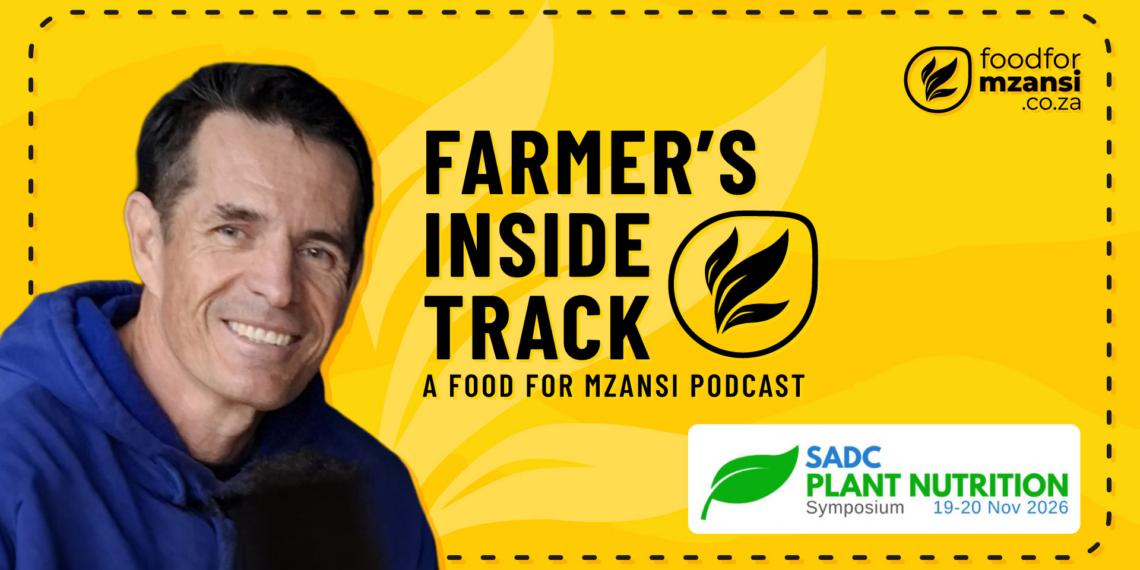
As input costs rise and climate extremes worsen, Southern African farmers need practical agronomic solutions. The SADC Plant Nutrition Symposium on 19 and 20 November 2026 in Stellenbosch will bring together global experts, cutting-edge research, and field-tested strategies to unlock actionable agronomic solutions designed for immediate farm-level adoption.
For Dr Michael Southwood, founder of the Agri Vision Foundation and organiser of the SADC Plant Nutrition Symposium, cross-border collaboration across SADC’s 15 member nations is essential to building resilient food systems.
Southwood explains that sharing research, technical tools, and field experiences equips producers – from large commercial operators to emerging farmers – to optimise crop performance and elevate export quality.
With over 30 global and local agricultural companies participating, the symposium brings cutting-edge research from Europe, the Americas, Asia, and Australasia directly into Southern Africa’s unique growing environments.
Southwood stresses that successful crop nutrition requires moving away from rigid formulas toward a holistic, highly tailored approach.
“We will cover not just the types of fertilisers, but if you don’t apply them right in the right amounts, in the case of water-soluble fertilisers applied in the right amount of water, you will not get the results.”
Click here to register for the SADC Plant Nutrition Symposium.
Whether managing dryland row crops or high-value irrigated perennials, the event focuses on precise application methods, fertigation strategies, and progressive soil health practices that maximise every kilogram of input.
Buffering crops against climate and osmotic stress
With El Niño forecasts predicting temperature spikes of 2.5°C to 3.5°C alongside persistent droughts and harsh winds, managing plant stress is becoming a daily operational imperative. Southwood highlights how proactive nutrition, including cover cropping, mulching, and biostimulants, can protect crops against severe heat, drought, and late frosts.
Related stories
- SADC Plant Nutrition Symposium tackles long-term soil health and farm viability
- SADC symposium brings plant nutrition research closer to the farm
- New plant health rules to fight pests and diseases
- Plant nutrition programme delivers sustainable results
“Basically, what these products do is increase the photosynthetic capacity of the plant. It raises the carbohydrate amount, and then the plant, in turn, produces a lot of sugars for the plant to cope with these biotic and abiotic stresses,” Southwood explains.
Applying biostimulants before and after extreme weather events boosts photosynthetic efficiency, allowing plants to maintain growth, protect fruit quality, and survive harsh environmental shocks.
Fostering two-way learning across Southern Africa
While South Africa offers world-class diagnostic laboratories for soil, sap, and DNA pathogen testing, Southwood notes that neighbouring SADC countries offer crucial lessons in cost-effective, organic, and semi-organic soil management.
“Every five years, the research results double, and we can learn a lot from each other. From a practical point of view, I would say if the participants leave the symposium, they will need practical hands-on tools for implementing what they’ve learned.”
Beyond delivering immediate practical value to delegates, attending the event supports a deeper regional mission. Proceeds directly fund the operational work of the Agri Vision Foundation, driving food security, entrepreneurship, and community development across impoverished rural areas.
Joining the regional conversation
The SADC Plant Nutrition Symposium takes place on Thursday, 19 and Friday, 20 November 2026 at the Protea Hotel, Technopark, Stellenbosch, with online access also available for regional delegates.
To secure delegate bookings or request programme details, contact Marlise Coetzee at symposium@southerncrosstrust.com or reach out via WhatsApp at 082 261 1598.
Tickets and online access are now available.
READ NEXT: Protect your spinach crops from extreme heat this summer