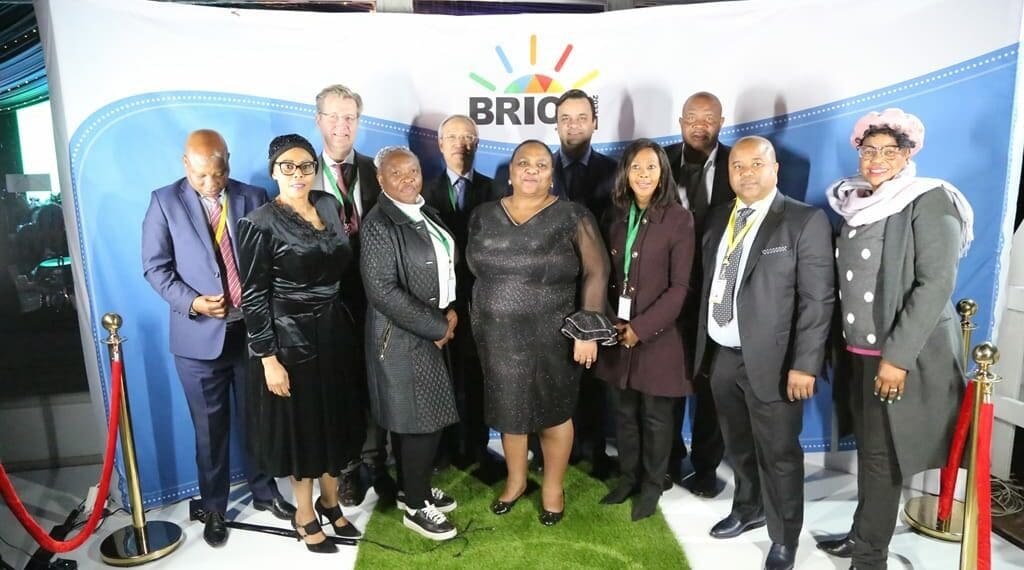
Agricultural ministers from the five Brics countries – Brazil, Russia, India, China and South Africa – met to map a way forward for better collaboration and partnerships on food security ahead of next week’s much-anticipated Brics Summit in Johannesburg.
Department of agriculture spokesperson Reggie Ngcobo said the joint declaration during the 13th meeting of the agriculture ministers includes reducing the impact of climate change on agriculture and food production, and ensuring access to food for the most vulnerable.
He said the focus was also on agriculture trade and investment, enhancing agricultural technology cooperation and innovation, and strengthening the exchange of agricultural information.
“On climate change, the Brics ministers of agriculture called for the provision of means of implementation for developing countries to enable them to reduce the negative impacts of climate change on food security by enhancing the adaptive capacity and resilience of people, food, and agriculture production system,” he said.

Collaboration is key
According to Ngcobo, the ministers noted that the challenges to achieving food security and nutrition were multi-sectoral and multidimensional.
“They emphasised the need for a collaborative approach among the Brics countries in ensuring access to food for all. In addition to this they acknowledged the significance of food and nutrition security programmes.”
Ngcobo said on agriculture and rural development, the ministers committed to accelerating existing national agriculture and rural development programmes and initiatives with a focus on revitalising rural economies and attracting public and private investment while fostering skills development.
Plan in action
Ngcobo said the four-day meeting of the ministers held under the theme: “Strengthening collaborations towards sustainable agricultural production and increasing productivity” was focused on four Brics priorities:
- To promote effective solutions and develop a systemic approach to food security and nutrition.
- To strengthen agricultural education and skills development to improve sectoral efficiency, productivity, and inclusivity.
- To unlock economic opportunities across the value chains of food and agricultural commodities; and
- Strengthening post-pandemic economic recovery through inclusive and innovative agricultural systems to achieve the 2030 Agenda on Sustainable Development Goals
Ngcobo said South Africa has positioned itself to meet the international obligations and priorities under Brics through the development and implementation of its domestic plans and actions.
ALSO READ: El Niño guessing game: Farmers gear up for planting season
Get Stories of Change: Inspirational stories from the people that feed Mzansi.