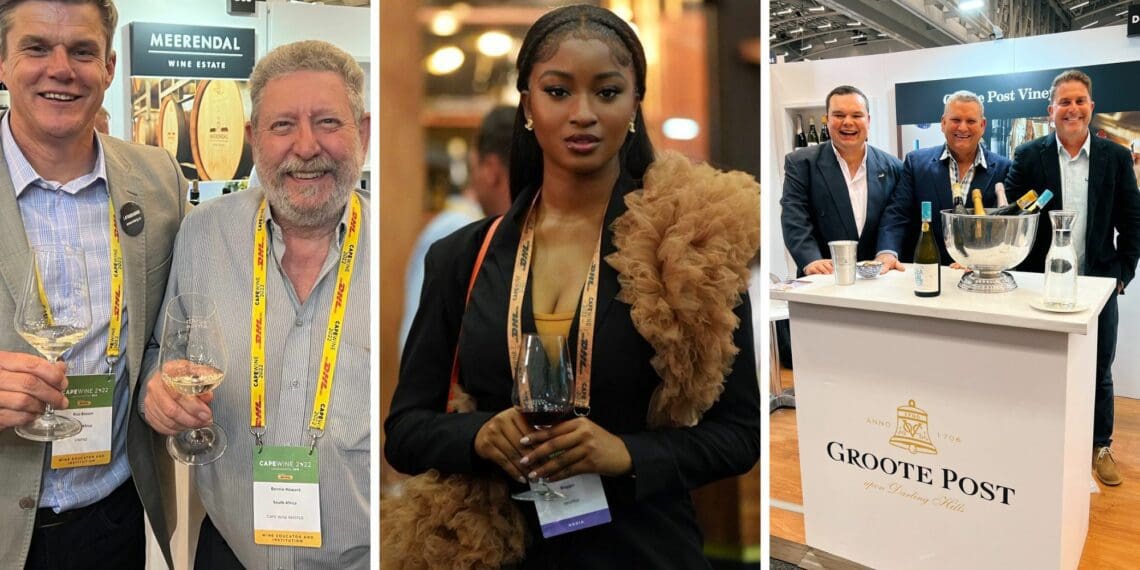
Mzansi’s largest wine trade event, Cape Wine 2022, last week gave the Western Cape a cash injection of R6 million. This is according to Wines of South Africa chief executive Siobhan Thompson.

Speaking to Food For Mzansi’s Tiisetso Manoko following the event at the Cape Town International Convention Centre, Thompson described the event as a success. It had a special focus on sustainability of the Cape Winelands, its people and businesses.
With its “Sustainability 360” theme, Cape Wine 2022 also received a thumbs-up from Thoko Didiza, the minister of agriculture, land reform and rural development. She commended the wine industry for its clear vision and growing transformation results, both in terms of gender and race.
It is no secret that Covid-19 dealt the wine industry a bad blow with the alcohol sales ban, among other reasons. Has the industry fully recovered, especially those farmers and producers who are relying on exports?
The industry is recovering after the drought and pandemic, and we feel positive that this year we will, once again, exceed the 400-million litre mark on our wine exports.
We saw that we are recovering with the energy and excitement in the hall over three days which was testimony to the hard work done by producers to create wines that represent the vibrancy of our nation and contributing meaningfully to the economy of the country.
The wine industry is a major economic booster for the Western Cape, in particular. Of course, it is not without challenges. What are some of the major challenges that is high on your agenda?
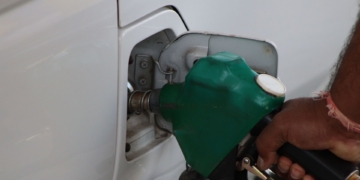
The main issues faced by the industry at present include the global shipping challenge and rising costs. We have seen significant cost increases on all levels, including shipping, glass, fuel and wages and this ultimately affects the bottom line. The market is very sensitive to price increases, which means in, many cases the wine producers need to somehow absorb these costs if they want to stay in the game.
Let’s talk numbers. What is the wine industry’s contribution to the GDP, and do you believe there is further potential for growth?
The South African wine industry contributes roughly R55 billion to the country’s gross domestic product annually. We employ about 270 000 workers and wine is the second largest agricultural export production in South Africa.
With our focus on sustainability for the future, our focus and goal are to ensure that the industry, the land we farm on, and its people are key players in realising that sustainability. The result of this mammoth project went to show how big this industry is with visitors attending from all corners of the world.
It is clear that Cape Wine 2022 was a major success. Congratulations! Have you managed to also include new entrants to the wine market to exhibit their products at the event?
We had a record number of exhibitions at the Cape Wine 2022, which shows the excitement and desire in the South African wine industry to position and promote their wines after the pandemic. The theme of “Sustainability 360” was beautifully portrayed on all levels of the show and really highlighted how much is being done in South Africa to ensure a sustainable industry for future generations.
The industry remains under severe pressure amid tough economic conditions for South Africa. Are you optimistic about the future?
Following the pandemic, where our traditional activities were mainly halted for almost three years, a lot will be happening. As the doors closed on a truly successful event and the industry reflects on what was a busy yet exhilarating week for all.
We are excited to reap the rewards in the international trade as they return with a renewed excitement about South African wine and the media continue to sing praises of an industry which has positioned itself as a major player in international markets and we are ready for the next edition of Cape Wine which is set to take place in 2025.
ALSO READ: Wine industry can be catalyst for growth in Mzansi
Sign up for Mzansi Today: Your daily take on the news and happenings from the agriculture value chain.