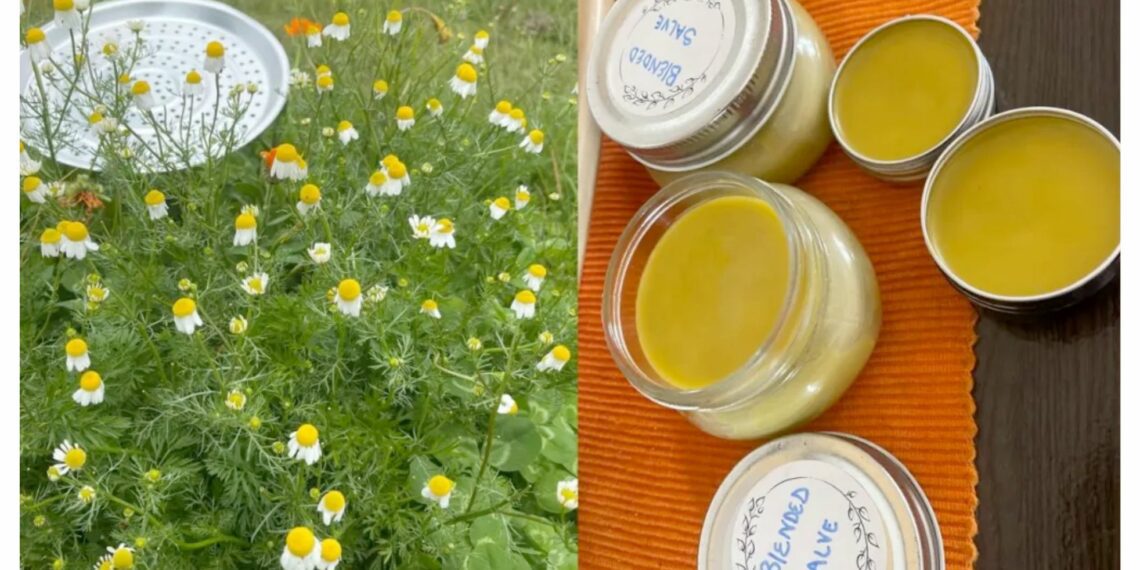
Do not be fooled by their petite appearance – chamomile flowers are the David ready to take on any Goliath.
These adorable daisy-like flowers might seem delicate, but they are armed with a powerhouse of benefits. From soothing inflammation to settling upset stomachs, they are the tiny titans of wellness. And guess what? They are super easy to grow at home.
In a recent Health For Mzansi article, experts share the multifaceted benefits of chamomile beyond its traditional association with bedtime tea.
Plant pathologist Sibongile Jiyane highlights the medicinal benefits of chamomile, ranging from treating gastrointestinal disorders to alleviating menstrual disorders and inflammation.
“In aromatherapy and cosmetics, chamomile essential oils are frequently utilised,” she noted. “Chamomile oil is used in aromatherapy to ease stress which has an indirect positive effect on digestive health.”
Related stories
- Grow delicious green mealies easily at home
- Iphewula: How to grow and harness the healing power of pig’s ear
Planting and harvesting
Beyond its medicinal uses, chamomile finds its place as a companion plant in gardens, offering protection against mould and mildew while providing additional benefits such as heartburn relief and stress reduction.
The article highlights the importance of proper harvesting and drying methods to preserve its potency for various applications, from brewing tea to extracting oil for skincare.
Kwanele Dlamini, a Gauteng-based agronomist, shared the perfect temperatures in which chamomile plants thrive. He mentions why some provinces are not ideal to grow the plant.
“They [chamomile] are plants that don’t particularly require fertilisation and also do well without any fertiliser application,” he shared.
The article also has insight into two common types of chamomiles to grow, soil requirements and harvesting tips. There is also information on the versatility of chamomile once it is dried and instructions on drying chamomile flowers.
This article was first published on Health For Mzansi and written by Vateka Halile.
READ NEXT: Chef Mbonambi’s curried tripe is a taste of home
Sign up for Mzansi Today: Your daily take on the news and happenings from the agriculture value chain.