
By 2050, an additional 71 million people globally will go hungry as a result of climate change. Half of these people live in sub-Saharan Africa, including South Africa.
This is the shocking prediction of Dhaquirs Bashir, partnership advisor at Concern Worldwide and board member of Civil Society Agriculture Network. His research was presented at Care International’s recent climate change and nutrition virtual dialogue.
Bashir warns that South Africa is also not on track to achieve its 2025 targets on food security and nutrition. One of the major challenges hindering the country’s food security efforts is climate change.
Climate change, says Bashir, is a devastating global crisis, with significant and detrimental effects that has been affecting farmers all over the world for decades.
ALSO READ: 7 impacts of climate change on South African agriculture

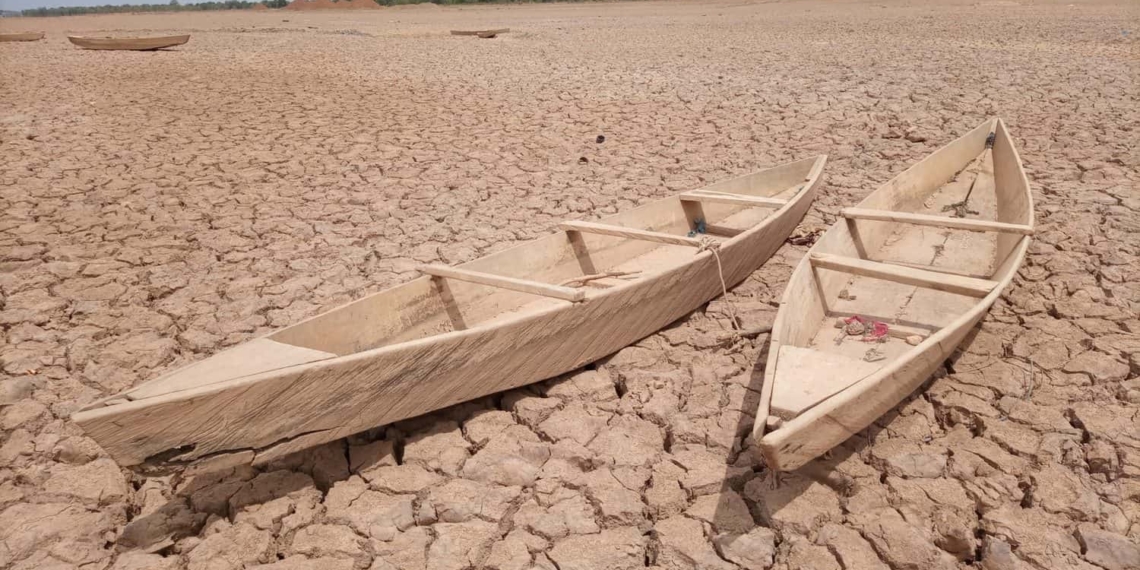
Dr Njongenhle Nyoni, capacity strengthening manager at the Food, Agriculture and Natural Resources Policy Analysis Network, says climate change is escalating the extent and prevalence of droughts, high temperatures and rainfall variability in Africa. This, in turn threatens food security and nutrition.
Nyoni explains that climate change has been a problem in South Africa in the past. In 2019, 11% of the population (about 6.5 million people) were suffering from hunger due to climate change.
“The Covid-19 pandemic compounding issues and imposed lockdowns restrictions have also caused major job losses and they have worsened the food and nutrition insecurity in the country,” he says.
Nyoni explans that stunting and malnutrition are the consequences of being food insecure or not consuming nutritious foods.
Recommendations for climate change

Nyoni believes a possible solution for climate change is for South Africa to invest in strengthening climate data collection and analysis systems.
“The last time South Africa submitted a report on nutrition to AU CAADP (the African Union’s Comprehensive Africa Agriculture Development Programme) was in 2016. Data collection remains a great challenge in reporting on nutrition and the private sector has to play its part.”
Chief executive of the South African Pork Producers’ Organisation, Johann Kotzé, explains that the private sector has been sharing data, but there might have been a communication barrier.
“I think the challenge was rather about communication between government, commodities and the farmers. As the private sector, we are sharing information data with government,” he says.

Nyoni also suggests that South Africa needs to invest in research and development to establish gaps and opportunities to improve the proportion of agriculture land under sustainable land management.
Meanwhile Bashir indicated that the South African government, non-governmental organisations and civil society should focus its efforts on promoting resilience to climate change to foster food and nutrition security.
In his list of proposed climate change interventions, Bashir mentioned that adapting climate smart agriculture, including promoting integrated farming villages, could mitigate food and nutrition insecurity.
Other interventions
- Rehabilitation and construction of irrigation canals.
- Promotion of access to land and water for venerable persons, in particular women, youth, and persons with disabilities.
- Constructed village community barns to reduce post-harvest losses.
- Training on storage infrastructure, food processing and conservation to the community to promote value addition.
- Implementing disaster risk reduction and management strategies based on early warning system.
Nyoni also listed best practices from different countries that enhance climate risk mitigation strategies to promote food security. These include:
- post-harvest management;
- adaptation of climate smart agriculture, including promotion of integrated farming villages (water supply, solar panels, home with anti-cyclonic standards etc.);
- use of irrigation systems and improved maintenance of infrastructure;
- conservation agriculture, watershed management and work towards reduction of greenhouse gas emissions. Dissemination on adaptation and mitigation and behaviour change initiatives;
- agro ecological farming and sustainable management forestry and climate change adaptation through use of drought tolerant crops; and
- managing climate data (i.e., households that are resilient to climatic variability and adopt agriculture biodiversity).
ALSO READ: Family business: Adaptability key to build farming legacy