Monday, September 7, 2026
SUBSCRIBE
22 GLOBAL MEDIA AWARDS
Food For Mzansi
  • News
  • Changemakers
  • Lifestyle
  • Farmer’s Inside Track
  • Food for Thought
No Result
View All Result
  • News
  • Changemakers
  • Lifestyle
  • Farmer’s Inside Track
  • Food for Thought
No Result
View All Result
Food For Mzansi
No Result
View All Result
in Lifestyle

COP26: ‘Clean cooking should not be an afterthought’

by Nondumiso Precious Mncube
10th November 2021
Women and children are often central to the conversation about clean cooking. They are more exposes to home air pollution and are often tasked with gathering fuel for food preparation. Photo: Supplied/Peace Parks Foundation

Women and children are often central to the conversation about clean cooking. They are more exposes to home air pollution and are often tasked with gathering fuel for food preparation. Photo: Supplied/Peace Parks Foundation

Share on FacebookShare on TwitterShare on WhatsApp

Cooking is an important part of life but frequently disregarded and downplayed to monotony. But this week, clean cooking was recognised during a COP26 discussion as an important topic if we want to achieve our energy objectives.

The 26th United Nations climate change conference (COP26) is currently taking place in Glasgow, Scotland. Between 31 October and 12 November, the gathering is hosted under the theme “Reinforcing the Africa-Europe climate alliance: looking ahead to COP26 and onto COP27”.

In one of the discussions, guest speakers underlined the need for moving beyond talk and into practical initiatives to promote smart energy projects in Africa.

According to The World Bank, women and children in Africa are particularly affected by home air pollution due to higher levels of exposure. They also frequently spend a considerable portion of their day gathering the fuel — firewood, for example — needed to cook a meal.

Dymphna van der Lans, CEO of the Clean Cooking Alliance (CCA), stated that no one would be able to reach their climate targets if they did not include strategies on clean cooking. She also mentioned the need for funding. “Small-scale financing will no longer be enough to meet the need for clean cooking. To make clean cooking and climate action a reality, a far larger funding is required.

“We need to make sure that clean cooking is not an afterthought. It needs to be front and centre because we cannot reach universal energy access without clean cooking.”

ALSO READ: 7 impacts of climate change on South African agriculture  

Time to walk the talk

Kandeh Yumkella co-chair of the Africa Europe Foundation strategy group on energy, urged Africa to be courageous, and recognised the need to engage the African Development Bank and World Bank to fund green projects in Africa as a whole. This, he believes, will ensure the continent has access to gas – the most accessible energy source.

“When Africa is ready to switch to other, more sustainable energy sources, such as solar, at least the clean cooking objective will be met, making the transition simpler. It’s time to go from compacts and declarations to actual action.

“We are beyond advocacy and need to take action. At least 40% of people, by 2030, should be having access to clean cooking .This will result in carbon emissions [going] down,” Yumkella added.

Van der Lans went on to say that there is no one-size-fits-all solution for the green transition. “Each country will have a different mix of solar, hydro and natural gas for industrialisation, creating a groundswell of demand from women and their families for clean cooking. They can put pressure on elected leaders to act.”

Emphasising the inescapable and essential need for financial support, Van der Lans pointed out that the one thing she does not need to see is more language. “I just need to see the money.”

Involve young people

Ayakha Melithafa, a young South African environmental activist, underlined that in order to implement energy solutions properly, the voice of Africa’s youth must be amplified, young people must be educated more on climatic issues, and be involved more vigorously in COP26 events because they are most affected by climate change.

ALSO READ: Agriculture welcomes R131bn climate deal

Sign up for Mzansi Today: Your daily take on the news and happenings from the agriculture value chain.

Nondumiso Precious Mncube

Tags: COP26
Tough times, hardy cattle: Why Mzansi farmers are choosing Nguni
News

Tough times, hardy cattle: Why Mzansi farmers are choosing Nguni

by Vateka Halile
3rd September 2026

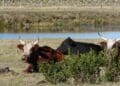
Nguni cattle are known for their hardiness and low-maintenance needs, making them ideal for Mzansi's harsh conditions. However, market prejudice...

Read moreDetails
Dragon fruit thrives in KZN valley despite tough national season

Dragon fruit thrives in KZN valley despite tough national season

3rd September 2026
The future of Mzansi's sugar industry hangs in the balance

Government hikes sugar import price, but industry warns of gap

3rd September 2026

Chicken is booming, but the real money is in the supply chain

2nd September 2026
How Tebogo beat post-harvest losses with smart agro-processing

How Tebogo beat post-harvest losses with smart agro-processing

2nd September 2026

KZN farmer loses 90% of crop amid severe water shortages

RSVP now: Emerging farmers’ programme at Nampo Cape

Foot-and-mouth crisis hits SA dairy industry with R1-billion loss

Aucamp outlines strategy for biosecurity, trade, and infrastructure

How Tebogo beat post-harvest losses with smart agro-processing

Join Food For Mzansi's WhatsApp channel for the latest updates!

JOIN NOW!
Next Post
Farmers complain that government is slow to react to challenges faced by drought-stricken areas. Photo: Supplied/Food For Mzansi

ICYMI: Finance minister 'must look at drought relief'

THE NEW FACE OF SOUTH AFRICAN AGRICULTURE

With 21 global awards in the first six years of its existence, Food For Mzansi is much more than an agriculture publication. It is a movement, unashamedly saluting the unsung heroes of South African agriculture. We believe in the power of agriculture to promote nation building and social cohesion by telling stories that are often overlooked by broader society.

Tiger Brands CEO calls for stronger food value chain

Plant, pick, protect: The rising potential of urban foraging in SA

RSVP now: Emerging farmers’ programme at Nampo Cape

Community-led farms boost food security and incomes in Limpopo

Farmers rethink water use as shortages threaten food production

Honoured roots: A father’s legacy, a daughter’s farming dream

  • Awards & Global Impact
  • Our Story
  • Contact Us
  • Cookie Policy
  • Privacy Policy
  • Copyright

Contact us
Office: +27 21 879 1824
News: info@foodformzansi.co.za
Advertising: sales@foodformzansi.co.za

Contact us
Office: +27 21 879 1824
News: info@foodformzansi.co.za
Advertising: sales@foodformzansi.co.za

  • Awards & Global Impact
  • Our Story
  • Contact Us
  • Cookie Policy
  • Privacy Policy
  • Copyright

Chat Options

I'm Lerato, your AI assistant!
No Result
View All Result
  • News
  • Changemakers
  • Lifestyle
  • Farmer’s Inside Track
  • Food for Thought

Copyright © 2024 Food for Mzansi

This website uses cookies. By continuing to use this website you are giving consent to cookies being used. Visit our Privacy and Cookie Policy.