Endless efforts by women around the world to be at the centre of climate change governance and decision-making structures have finally paid off. Robust talks on women’s participation in climate conversations saw the African Women’s Climate Adaptive Priorities (AWCAP) initiative being launched on Cop27’s Gender Thematic Day.
The initiative, celebrated by the Cop27 presidency, is part of a bigger attempt to champion women as equal partners and players in implementing climate action.
AWCAP will focus on strengthening women’s participation in environmental governance, and leverage opportunities within the just transition to the green economy and achieving sustainable development.
Commenting on the launch of the AWCAP, Cop27 president Sameh Shoukry pointed to Africa as being the worst affected by climate change.
“Africa is responsible for less than 4% of global emissions and is disproportionately punished by the impact of climate change. Rural women on the continent are among the most disadvantaged as they carry the weight working at home and in the fields, and hurt by displacement due to climate change.”
Shoukry said a resilient water-energy-food transition need to be implemented. One that can provide socio-economic support to African nations and save lives and livelihoods.
Powerful agents of change
If given the opportunity women can offer fresh perspectives and new approaches in addressing the world’s climate crisis. However, in Africa especially, they are often left out of critical climate conversations, Cop27 attendees agreed.
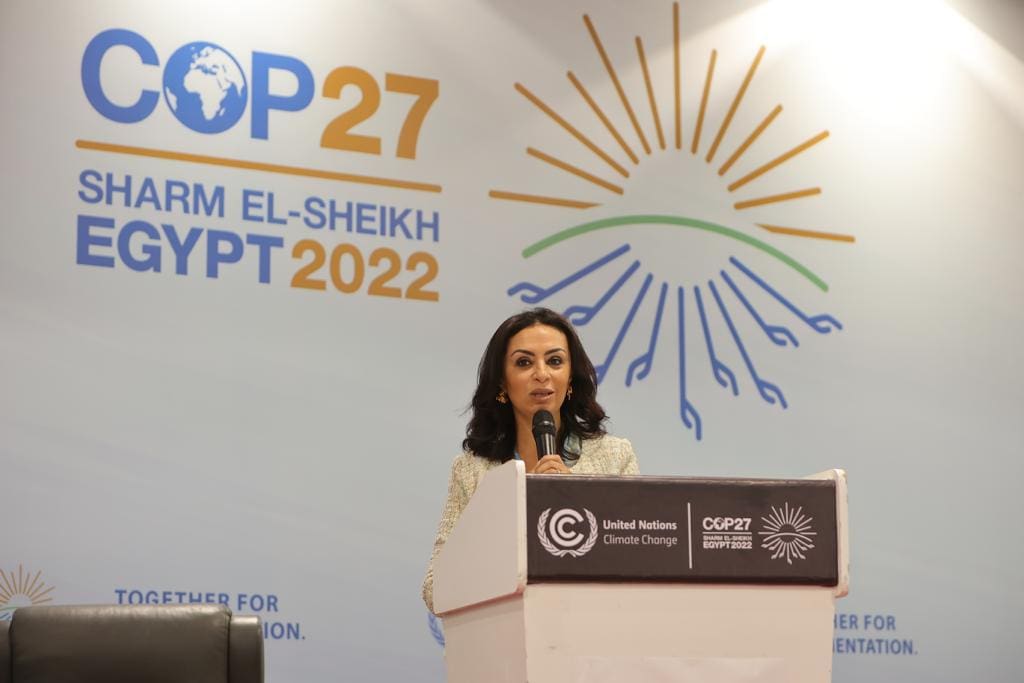
President of the National Council for Women in Egypt Dr Maya Morsi emphasised, “Women are not just victims of climate change, they are powerful agents of change, and their leadership is critical.”
“A bottom-up approach is significant to understand women in communities, their environmental concerns, realities and experiences.”
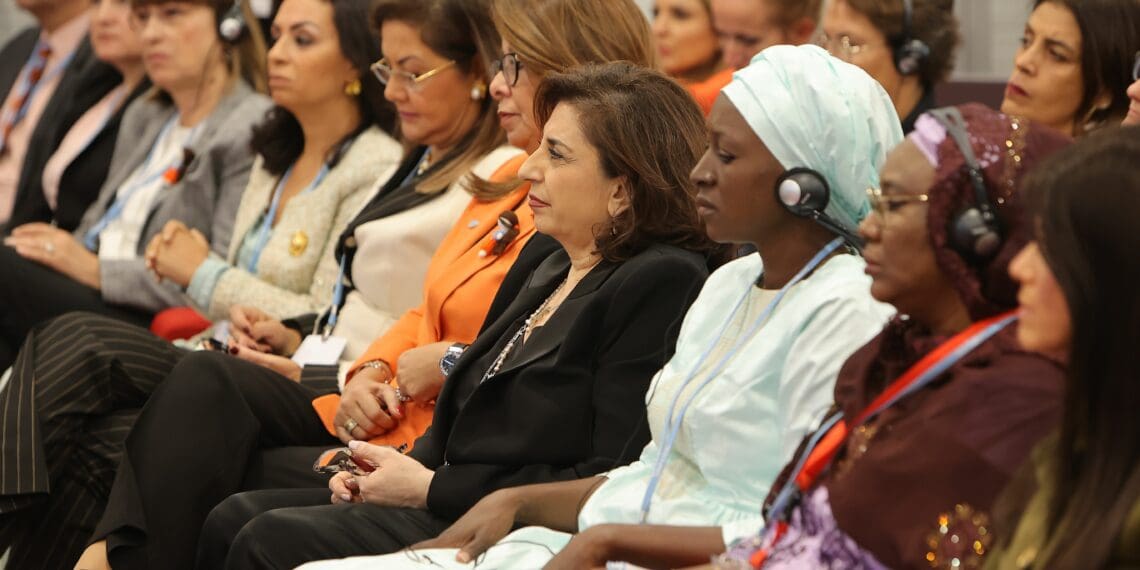
The day brought together women climate leaders at national, regional and the global community level, who discussed why they continue to bear a disproportionate burden of the adverse impacts of climate change.
It was also highlighted that women must be fully integrated into the processes of formulating and implementing policies to ensure fair gender inclusion.
A platform to look into sound policies, best practices and effective solutions was provided. Sessions of the day also shared success stories from around the world with a view of promoting gender sensitive and highly responsive policies, strategies and actions.
How the AWCAP will work
The AWCAP initiative promises to break down barriers for women, and ensure they have better access to education, support, capacity building, and inclusion in the transition to a green economy.
According to the Cop27 presidency, women in Africa rely substantially on environmental-related livelihoods, including agriculture, livestock management, forestry, water management, and health. All of which are disproportionately exposed to climate change.
“If the impact of climate change on women is not mitigated, gender equity in 2030 will be back to where it was in 2010.
“There is a win-win for all stakeholders in involving women in climate action, and this must be taken advantage of to develop and execute effective adaptation solutions,” the Cop27 presidency remarked.
ALSO READ: Women entrepreneurs face greater climate risks
Sign up for Mzansi Today: Your daily take on the news and happenings from the agriculture value chain.