Wednesday, July 22, 2026
SUBSCRIBE
22 GLOBAL MEDIA AWARDS
Food For Mzansi
  • News
  • Changemakers
  • Lifestyle
  • Farmer’s Inside Track
  • Food for Thought
No Result
View All Result
  • News
  • Changemakers
  • Lifestyle
  • Farmer’s Inside Track
  • Food for Thought
No Result
View All Result
Food For Mzansi
No Result
View All Result
in Lifestyle

DIY first aid: Five ways to treat livestock injuries

From succulents to good old antibiotics, there is always something that can help treat injuries picked up by farm animals. Just don't let too much time tick away

by Vateka Halile
12th March 2023
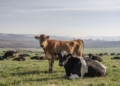
Livestock injuries are more common than we think. Here are five tips to deal with physical injuries on animals. Photo: Supplied/Food For Mzansi

Livestock injuries are more common than we think. Here are five tips to deal with physical injuries on animals. Photo: Supplied/Food For Mzansi

Share on FacebookShare on TwitterShare on WhatsApp

Animal-related accidents on farms are more common than one would think. That’s right, apart from diseases, farm animals can easily sustain physical injuries from fence cuts, livestock handling, a festering abscess, and even bites from other animals.

So what can farmers do to nurse their animals back to health? Not all farmers have access to veterinarians, especially in far-flung areas, and have to administer first aid themselves.

According to crop and herb farmer, Lupho Kula in Nyanga, Cape Town medicinal plants are an effective way of treating livestock injuries, at least until a veterinarian steps in.

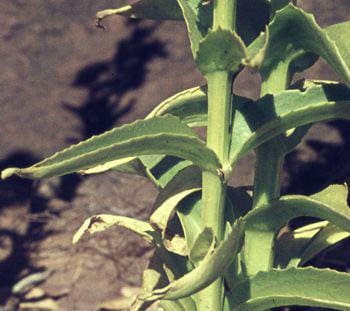
1. Kalanchoe lanceolata
DIY first aid: Five ways to treat livestock injuries

“Kalanchoe lanceolata, also known as intelezi, is an effective treatment [method] for animal wounds. It takes some time for the wound to heal, but it works wonders once it has,” Kula says.

Amongst the Ba Tswana people, it is commonly known as ‘moithimodiso’. Moithimodiso means “something that makes you sneeze”.

Kalanchoe lanceolata is a succulent, annual herb, cultivated globally in the horticultural industry as a popular ornamental plant. It is also used in many rural communities as traditional medicine.


2. Aloe vera

DIY first aid: Five ways to treat livestock injuries

Kula also suggests tiger aloe vera, a usually spiny leaf plant arranged in neat rosettes, and tall candle-like inflorescence.

Aloes have a very long history of medicinal, cosmetic and cultural uses. Many early civilisations were familiar with the healing properties of aloe vera in particular.

Parts of the leaf display antioxidant, anti-inflammatory and antiseptic properties and are recently also claimed to have antiviral properties. This makes it a very commonly used remedy for skin irritations, cuts, abrasions, minor burns, sunburn, and bruises.

“Simply remove the leaf sap by cutting open a leaf from the plant, breaking it open, and applying it where the wound is,” Kula explains.


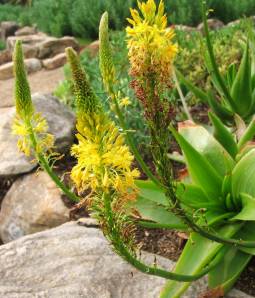
3. Bulbine latifolia
DIY first aid: Five ways to treat livestock injuries

Bulbine latifolia is another option, says Kula. According to him, these aloe-like plants are good for wounds and bug bites, amongst others.

This plant is popular among traditional healers. The roots are used, taken orally to quell vomiting and diarrhoea, but also for a number of other ailments, including diabetes. The leaf sap is used to treat wounds, burns, eczema, rashes and itches.

“The gel that is extracted from the leaves is rubbed into the wound to heal livestock and human wounds,” Kula says.


4. Safe to use fluids

Meanwhile, Olwethu Laho, an animal scientist from Cofimvaba, Eastern Cape, says wounds on livestock should be treated with care and urgency.

He advises farmers to first apply ice, as it helps to constrict the blood vessels and halt bleeding.

“Use water or a diluted disinfectant to flush the wound as a first aid measure. The fluid washes away harmful germs and dust while also gently compressing the pliable tissues to promote healing,” he explains.

Laho doesn’t recommend alcohol injections since they cause pain and irritation to the animal. However, diluted iodine or another antibacterial disinfectant may be used as an alternative.


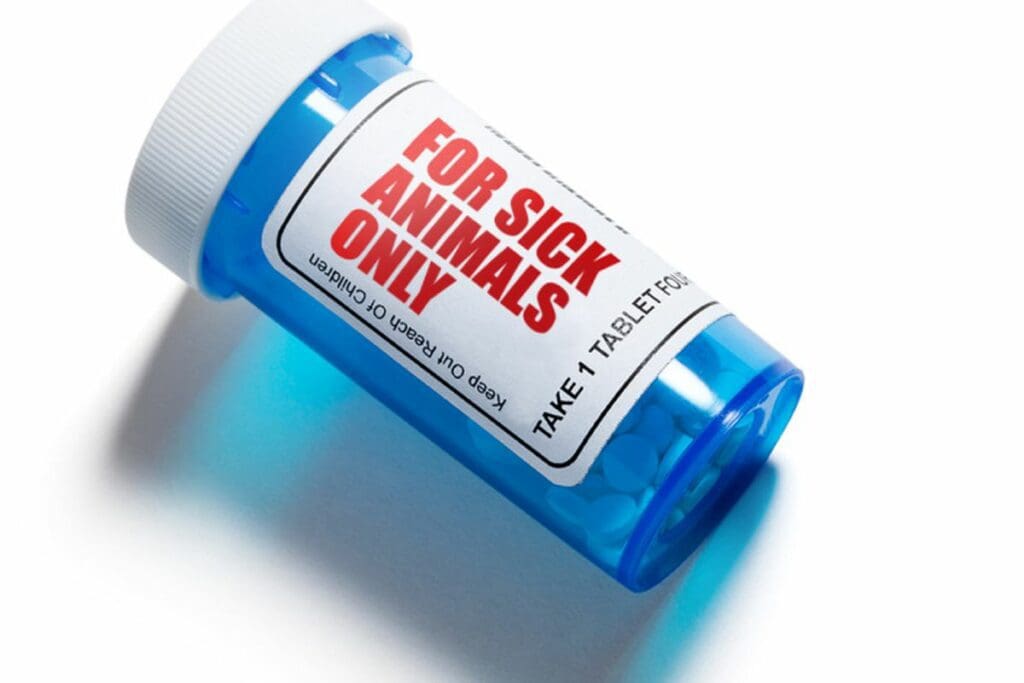
5. Good old antibiotics

To prevent further infection, Laho suggests using an antibiotic and covering the wound loosely with a clean dressing.
DIY first aid: Five ways to treat livestock injuries

In the event of an abscess, as these infections often result from the introduction of germs via the skin through an external object, he advises that at the first hint of swelling, a minor wound should be checked.

“Snip off a tuft of fur and clean the area with a wet washcloth. If you let the wound drain for a while, the fluid will eventually flow out. Using gentle pressure, drain the wound completely.”

Furthermore, he says, if antibiotics are administered shortly after an abscess is discovered, the infection may be cleared very quickly.

READ NEXT: Livestock: How to stay on top of skin diseases

Sign up for Mzansi Today: Your daily take on the news and happenings from the agriculture value chain.

Vateka Halile

Vateka Halile grew up in rural areas of Cofimvaba in the Eastern Cape. She was raised in a traditional family setting and found writing to be a source of comfort and escape. Vateka participated in an online citizen journalism course through Food For Mzansi, and her passion for health and medicine-related stories was born. Her dedication to community work and love for social justice and solidarity spaces is evident in her quality time with the community when she isn't working.

Tags: Animal injuriesLivestock farmerslivestock health tips
Harnessing the power of passive rainwater harvesting
News

Deadline looms: Register water use by 23 July or risk penalties

by Lisakanya Venna
20th July 2026

South African water users have until 23 July 2026 to declare their usage to the DWS. Whether you’ve bought new...

Read moreDetails
This week’s agri events: 20 – 24 July

This week’s agri events: 20 – 24 July

20th July 2026

Climate change: SA’s food processors are feeling the heat

19th July 2026
The Forest of Renewal at Rustlers Valley celebrates the intertwined legacies of Frik Grobbelaar, Anton Chaka and Riky Rick, inviting South Africans to restore the land while cultivating hope, belonging and community. Illustration: ChatGPT

Rustlers Valley offers a blueprint for South Africa’s renewal

18th July 2026
Grain SA appoints Mabuza to lead farmer development

Rising stars: 2026 PGP finalists redefining SA grain farming

18th July 2026

Deadline looms: Register water use by 23 July or risk penalties

Mother’s legacy, neighbour’s grace: Venessa Simelane’s farm story

Seriti Institute CEO wins prestigious Best Woman 2026 CSI award

Wits students step up to fight campus hunger

How this KZN agricultural advisor is bringing tech to rural fields

Join Food For Mzansi's WhatsApp channel for the latest updates!

JOIN NOW!
Next Post
AgriSETA chairperson, Sharon Sepeng, inspiring the next generation of agricultural leaders at the provincial career summit in Middledrift, Eastern Cape. Photo: Supplied/Food For Mzansi

500 EC learners shine at AgriSETA summit

THE NEW FACE OF SOUTH AFRICAN AGRICULTURE

With 21 global awards in the first six years of its existence, Food For Mzansi is much more than an agriculture publication. It is a movement, unashamedly saluting the unsung heroes of South African agriculture. We believe in the power of agriculture to promote nation building and social cohesion by telling stories that are often overlooked by broader society.

No one-size-fits-all: Liane’s lessons on leaving the land better

Shoprite hits 300th food garden milestone in Bredasdorp

Tech and solar upgrades drive growth at Ceres Fruit Growers

Smart vineyard irrigation starts below the ground

Treat food processing as essential national infrastructure – Khoury

Farmers urged to embrace uncertainty and build resilience

  • Awards & Global Impact
  • Our Story
  • Contact Us
  • Cookie Policy
  • Privacy Policy
  • Copyright

Contact us
Office: +27 21 879 1824
News: info@foodformzansi.co.za
Advertising: sales@foodformzansi.co.za

Contact us
Office: +27 21 879 1824
News: info@foodformzansi.co.za
Advertising: sales@foodformzansi.co.za

  • Awards & Global Impact
  • Our Story
  • Contact Us
  • Cookie Policy
  • Privacy Policy
  • Copyright

Chat Options

I'm Lerato, your AI assistant!
No Result
View All Result
  • News
  • Changemakers
  • Lifestyle
  • Farmer’s Inside Track
  • Food for Thought

Copyright © 2024 Food for Mzansi

This website uses cookies. By continuing to use this website you are giving consent to cookies being used. Visit our Privacy and Cookie Policy.