 From Bloemfontein to Belgium, people around the world are uniting in support for South African wine farmers who must pick up the pieces from tomorrow onwards when alcohol sales are set to resume.
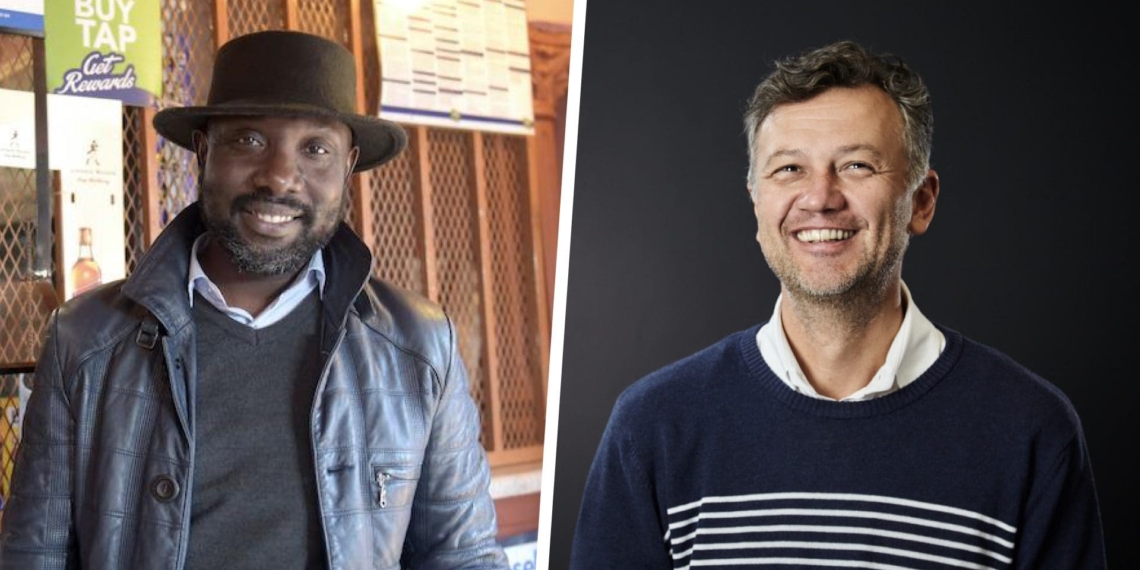
Leading the call is venture capitalist Michael Jordaan who simply asked his 211 000 followers on Twitter to, “Please drink South African for the rest of the year. Many jobs depend on it.” Hot on his heels were Sikhululo Maliwa, better known as Lulo Café, who responded, asking his 557 400 followers for a list of local booze brands to support as “most people don’t really know”.
Dutch endurance specialist Jean Biermans said despite living on the western coast of Europe he only drinks South African wine. He hopes that this will help revive the wine industry who has been severely battered by government’s stringent lockdown rules, including a controversial booze sales ban which will only be lifted at midnight. All the way from Germany, Sindi Dlamini pledged her support for Mzansi wines, adding that it also involved some “khumbul’ekhaya” (“I want to go home”).
‘Confront strong anti-alcohol sentiment’

Meanwhile Vinpro chief executive Rico Basson believes the wine industry still faces a long road to recovery. The industry is believed to have lost more than R7 billion since the introduction of sales restrictions in March 2020.
Following the initial nine-week ban on local sales, five-week ban on exports and second domestic sales ban, Vinpro estimates that more than 80 wineries and 350 wine grape producers would go out of business over the next 18 months, with a potential loss of more than 21 000 jobs across the value-chain.
Commenting on government’s green light for alcohol sales Basson said, “Although we are grateful to start trading and delivering online sales again, we are dismayed at the extent of the damage caused to our industry during the temporary ban on exports and extended restrictions on local sales. It might be too little too late. Many wine businesses have already closed down and a long road to recovery lies ahead for the industry as a whole.”

Western Cape minister of agriculture Dr Ivan Meyer expressed his confidence in the industry’s ability to bounce back. “The wine industry suffered damage during this period. It will recuperate and be even be more robust than before. There should, however, be no more bans on domestic or export sales of wine. The industry must establish itself as a responsible producer and supplier of alcohol in terms of the application of covid-19 regulations as well as in confronting the strong anti-alcohol sentiment.”
The banning of alcohol sales and distribution has resulted in many job losses in the wine industry. “Workers and the wine value chain must now be allowed to carry on with their business without any further interruptions.”
Convener of the National Liquor Traders Council Lucky Ntimane said, “Our network of some 34 000 taverners across the country is ready to get back to business. We will continue to roll out innovations such as the ‘click-and-collect’ apps to help reduce queues, improve social distancing, and make it safer for consumers to order and collect their purchases.”

Kurt Moore, CEO of the South African Liquor Brandowners Association, said, “The liquor industry confirmed it is willing to ensure enhanced resources, including funds, people and time, are available to assist the government in dealing with the burden on the public healthcare system.
“It will also help ease the pressure on healthcare facilities and to assist with the distribution of personal protective equipment, leveraging our extensive distribution and retail networks nationwide in support of efforts to combat the spread of covid-19.”
‘A tragedy of epic proportions’

Chief executive of the Beer Association of South Africa, Patricia Pillay, described the lifting of the alcohol ban as a lifeline for restaurants and other businesses.
She said, “Many businesses in the beer industry have still not recovered from the first nine-week ban in place from 27 March to 31 May, including 8 000 licensed taverns and 30% of craft breweries that were bankrupted. The second ban, that came into effect on 13 July, forced an additional 15% craft breweries and thousands more taverns to shut down permanently.
“This is a tragedy of epic proportions, especially since 54% of taverns are owned by women supporting their families. In addition to jobs losses, the bans forced South African Breweries to cancel R2.5 billion in capital and infrastructure upgrades this financial year, and it is currently reviewing a R2.1 billion planned spend for 2021. Heineken South Africa has also halted plans for a R6 billion brewery expansion in KwaZulu-Natal, which would have created 400 new jobs. It is critical that we do not ever have a repeat of the situation.”
Support from British grocer
Other international support include the British supermarket group Waitrose that have announced a 25% discount on Mzansi wines bought at its stores. South African wine buyer at Waitrose Victoria Mason said: “It’s been really hard to see our fantastic winemakers in South Africa struggle with the domestic sales ban – some of whom we have worked with for over 20 years. We have such a brilliant range of South African wines and we wanted to help in whatever way we could. By putting these wines together in a special case at a great price, we hope our customers will order one (or two!) and help support the industry.”