
Monday, October 26, 2026
SUBSCRIBE
22 GLOBAL MEDIA AWARDS
Food For Mzansi
  • News
  • Changemakers
  • Lifestyle
  • Farmer’s Inside Track
  • Food for Thought
No Result
View All Result
  • News
  • Changemakers
  • Lifestyle
  • Farmer’s Inside Track
  • Food for Thought
No Result
View All Result
Food For Mzansi
No Result
View All Result
in Farmer's Inside Track

Drone technology a game-changer in precision farming

Drone technology is transforming agriculture by enhancing precision farming, reducing costs, and promoting sustainability. Thulani Magida, the founder of Juta Agritech, explains how drones improve efficiency, save water, and minimise chemical use

by Duncan Masiwa
15th September 2024
Thulani Magida is the founder of Juta Agritech. Photo: Food For Mzansi

Thulani Magida is the founder of Juta Agritech. Photo: Food For Mzansi

Share on FacebookShare on TwitterShare on WhatsApp

The importance of drone technology in agriculture lies in its potential to solve key challenges in food production and sustainability. Thulani Magida, the founder of Juta Agritech, unpacks the specific uses, benefits, licensing requirements, and potential of drone technology to advance agricultural practices in South Africa.

According to Magida, technology has always played a part in growing the sector to feed a growing population. In South Africa, drones are integral to precision agriculture, improving efficiency through targeted fertilisation and spraying.

Drones offer numerous benefits, including cost-effective fertilisation and reduced chemical use, which promotes sustainable farming.

“With drones, farmers can apply fewer chemicals and inorganic fertilisers, saving both costs and the environment,” says Magida. Drones also reduce water use, addressing water scarcity – a significant concern in South Africa.

Obtaining certification

There are different types of drones used in agriculture. Cinematic drones provide aerial farm views, helping farmers assess germination and wind damage. Multispectral drones give early insight into crop health, allowing proactive measures, while spray drones apply fertilisers based on data from smaller drones.

However, licensing and training are stringent. To legally operate drones, farmers must obtain a remote operating certificate (ROC), which can take up to two years. “It’s a serious issue,” adds Magida, emphasising that the Civil Aviation Authority regulates drone use to prevent accidents.

Magida believes drones could also attract young people to agriculture. “Drone technology can make agriculture cool for unemployed graduates who don’t find work in the field exciting. Flying a drone, however, is just exciting in itself,” he shares.

In this episode, Magida also discusses:
  • Costs involved in drone technology;
  • The potential of drone technology to make agriculture more appealing to young people and more.

Dive deeper into the episode and gain insights from the award-winning Farmer’s Inside Track, officially recognised as Africa and the world’s best podcast at the 2024 Digital Media Awards presented by WAN-IFRA, the global press organisation.

Option 1: Click here to listen on Spotify (all mobile and other devices)

Option 2: Click here to listen on any Apple device

READ NEXT: Pascal’s pride: Farm innovates with sustainable practices

Sign up for Farmer’s Inside Track: Join our exclusive platform for new entrants into farming and agri-business, with newsletters and podcasts. 
Duncan Masiwa

DUNCAN MASIWA is the assistant editor at Food For Mzansi, South Africa’s leading digital agriculture news publication. He cut his teeth in community newspapers, writing columns for Helderberg Gazette, a Media24 publication. Today, he leads a team of journalists who strive to set the agricultural news agenda. Besides being a journalist, he is also a television presenter, podcaster and performance poet who has shared stages with leading gospel artists.

Tags: AgritechCommercialising farmerDrone technologyInform mePodcast
Karoo sheep tallow finds new purpose in Mzansi beauty brand
Agripreneur

Karoo sheep tallow finds new purpose in Mzansi beauty brand

by Vateka Halile
22nd October 2026

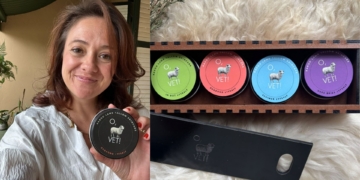
Former journalist Carla Coetzee turned a traditional family remedy into O’Vet Skincare, a thriving brand supplying 15 retailers. Sourcing natural...

Read moreDetails

Why simple farm records beat complex systems

22nd October 2026
Mogogelo farmers receive packhouse and cold storage facilities

Mogogelo farmers receive packhouse and cold storage facilities

22nd October 2026
Godongwana unveils fuel relief and R10 billion El Niño buffer

Godongwana unveils fuel relief and R10 billion El Niño buffer

21st October 2026

Smart irrigation: Precision tools boost crop yields while cutting costs

21st October 2026

By-laws vs. livelihoods: Barriers facing WC smallholder farmers

CPAs urged to register for free governance support toolkits

Potatoes and tomatoes plunge while avocado prices soar

Smart irrigation: Precision tools boost crop yields while cutting costs

Becoming bankable: How to get your farm ready for finance

Join Food For Mzansi's WhatsApp channel for the latest updates!

JOIN NOW!
Next Post
Albert Coetzee, industry affairs manager at the Citrus Growers’ Association of Southern Africa; Teneal Marthinus, agronomist at ForFarmers Group; and Liane Petzer, regional specialist in manufacturing, renewable energy, transport, and Logistics at Absa, share insights on green finance and sustainability at Nampo Cape. Photo: Adéle Changuion/Food For Mzansi

Green finance key to sustainable farming’s future

THE NEW FACE OF SOUTH AFRICAN AGRICULTURE

With 21 global awards in the first six years of its existence, Food For Mzansi is much more than an agriculture publication. It is a movement, unashamedly saluting the unsung heroes of South African agriculture. We believe in the power of agriculture to promote nation building and social cohesion by telling stories that are often overlooked by broader society.

Shoprite opens second food garden competition with R1m in support

Costa Rica’s banana battle offers critical field lessons for SA

Africa’s indigenous crops and youth are the secret to ending hunger

Agda conference: Why giving farmers land isn’t enough

Limpopo teen farmer turns dream into growing poultry business

How to protect poultry from damaging sticktight flea infestations

  • Awards & Global Impact
  • Our Story
  • Contact Us
  • Cookie Policy
  • Privacy Policy
  • Copyright

Contact us
Office: +27 21 879 1824
News: info@foodformzansi.co.za
Advertising: sales@foodformzansi.co.za

Contact us
Office: +27 21 879 1824
News: info@foodformzansi.co.za
Advertising: sales@foodformzansi.co.za

  • Awards & Global Impact
  • Our Story
  • Contact Us
  • Cookie Policy
  • Privacy Policy
  • Copyright

Chat Options

About this assistant

This feature generates automated answers summarised from Food For Mzansi articles. By using it, you are interacting with an AI system (provided by Google), not a human. AI can make mistakes. Please refer to the source articles for verification and citation purposes.

Our staff do not check or moderate Lerato’s answers in advance, but may review some later. Our journalists continue to write and edit all the articles Lerato uses as sources.

To estimate unique and returning web users, we store a random browser ID in this browser. WhatsApp users are counted by phone number. The same person using both channels may be counted twice.

I'm Lerato, your AI assistant!
No Result
View All Result
  • News
  • Changemakers
  • Lifestyle
  • Farmer’s Inside Track
  • Food for Thought

Copyright © 2026 Food for Mzansi